
Belarus opposition leader visits Kyiv after Russia’s most devastating attack this year
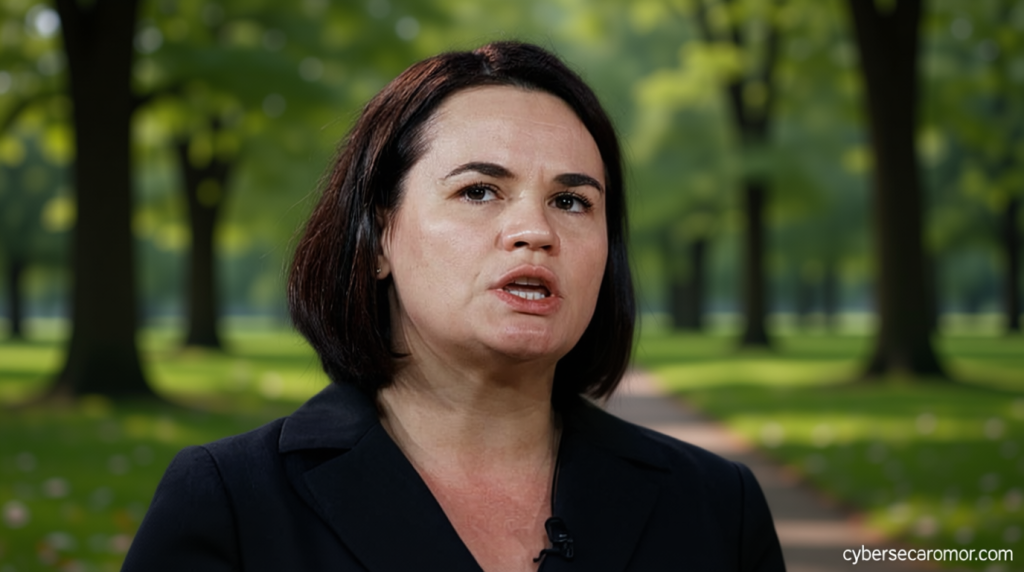
Belarus Opposition Leader Visits Kyiv After Russia’s Most Devastating Attack This Year
Belarus opposition leader visits Kyiv after – On Monday, Belarus’ exiled opposition leader Svetlana Tikhanovskaya made her debut in Kyiv, arriving as the Ukrainian capital grappled with the aftermath of Russia’s most severe missile assault of the year. The visit coincided with global leaders monitoring Belarus’ potential support for Moscow’s ongoing war in Ukraine, a critical moment in the region’s political landscape.
A Symbol of Unity and Sacrifice
Tikhanovskaya, who has emerged as a key figure in Belarus’ opposition since challenging long-standing leader Aleksandr Lukashenko in the 2020 elections, began her Kyiv trip by honoring Maria Zaitseva. A dissident who joined Ukraine’s armed forces, Zaitseva became a beacon of courage for many Belarusians who have aligned with the Ukrainian cause. In a message shared on X, Tikhanovskaya emphasized the profound connection between the two nations’ struggles for freedom.
“For me, Maria is a symbol of a new generation of Belarusians,” Tikhanovskaya wrote. “People who understand that the freedom of Belarus and the freedom of Ukraine are inseparable. She died a hero, but her name will live on. And it is our duty to do everything possible to ensure that the sacrifice of Maria and other heroes was not in vain.”
The tribute underscored a growing narrative of solidarity between Belarus and Ukraine, particularly as the conflict in the east continues to reshape alliances across Eastern Europe. Tikhanovskaya’s presence in Kyiv was seen as a strategic move to bolster support for Ukraine while highlighting the risks of Belarusian government involvement in the war.
Russian Pressure and Western Watch
The day prior, French President Emmanuel Macron engaged in a critical phone conversation with Lukashenko, marking their first dialogue since the invasion began. This call came amid mounting pressure on Belarus to either support or restrain Russian military operations. Macron’s message was clear: the European Union is watching closely for any sign of Belarusian cooperation with Moscow.
Tikhanovskaya echoed this sentiment during a press briefing, stating that Lukashenko’s regime remains focused on maintaining its authoritarian grip despite opportunities to strengthen ties with the West. “Lukashenko’s regime knows well what needs to be done to improve relations with the European Union,” she told Associated Press. “But it isn’t happening—instead, hybrid attacks, nuclear threats, and aggression toward the entire region persist.”
Lukashenko, who has ruled Belarus with an unyielding hand for over three decades, has long relied on Russia for critical resources. His government’s continued support for the war effort has been bolstered by economic aid, energy supplies, and diplomatic backing from Moscow. This reliance has placed Belarus at the center of a geopolitical tug-of-war, with the West increasingly wary of its role in the conflict.
Sanctions and Shifts in Strategy
Western nations have imposed a series of sanctions on Belarus, targeting its human rights violations and its role in facilitating Russia’s invasion of Ukraine. These measures have aimed to pressure Lukashenko into adopting a more conciliatory approach toward Europe. However, recent months have seen a shift in his strategy, as he seeks to reposition Belarus as a key player in regional diplomacy.
With the return of Donald Trump to the White House, Lukashenko capitalized on the new administration’s more flexible stance to release hundreds of political prisoners. This move was part of a broader effort to ease Western sanctions and present Belarus as a moderate alternative to Russia’s hardline policies. Despite these gestures, the opposition leader Tikhanovskaya remains skeptical, arguing that Lukashenko’s actions are more about political survival than genuine reform.
The Kyiv visit by Tikhanovskaya symbolized a broader campaign to unite Belarusians against the war. Her presence in the Ukrainian capital not only highlighted the shared values between the two nations but also signaled a potential shift in Belarus’ international posture. As the attack on Kyiv intensified, the stakes for Belarus’ political direction became clearer than ever.
Meanwhile, the aftermath of Russia’s missile strike served as a stark reminder of the war’s devastation. Kyiv’s resilience in the face of such attacks has drawn admiration from allies, but it also underscored the urgency of Belarus’ role in the conflict. With the opposition leader in the city, the focus turned to how Belarus could either become a bastion of resistance or a strategic partner for Moscow.
Tikhanovskaya’s efforts to galvanize support in Kyiv reflect a growing movement within Belarus to break free from Russian influence. Her visit came as a powerful statement of defiance, even as her government faced internal and external pressures to align with Moscow. The implications of her actions extend beyond Belarus, influencing the dynamics of the war and the future of Eastern European alliances.
As the conflict in Ukraine enters a new phase, Belarus stands at a crossroads. The decisions made by Lukashenko and the opposition leader Tikhanovskaya will shape the nation’s trajectory, determining whether it remains a key ally of Russia or pivots toward Europe. The recent attack on Kyiv, coupled with Tikhanovskaya’s visit, has brought these choices into sharp focus, highlighting the complex interplay of politics, war, and diplomacy in the region.

