
MENA leaders call for housing to go beyond ‘bricks and mortar’ at Baku forum
MENA Leaders Call for Housing to Go Beyond ‘Bricks and Mortar’ at Baku Forum
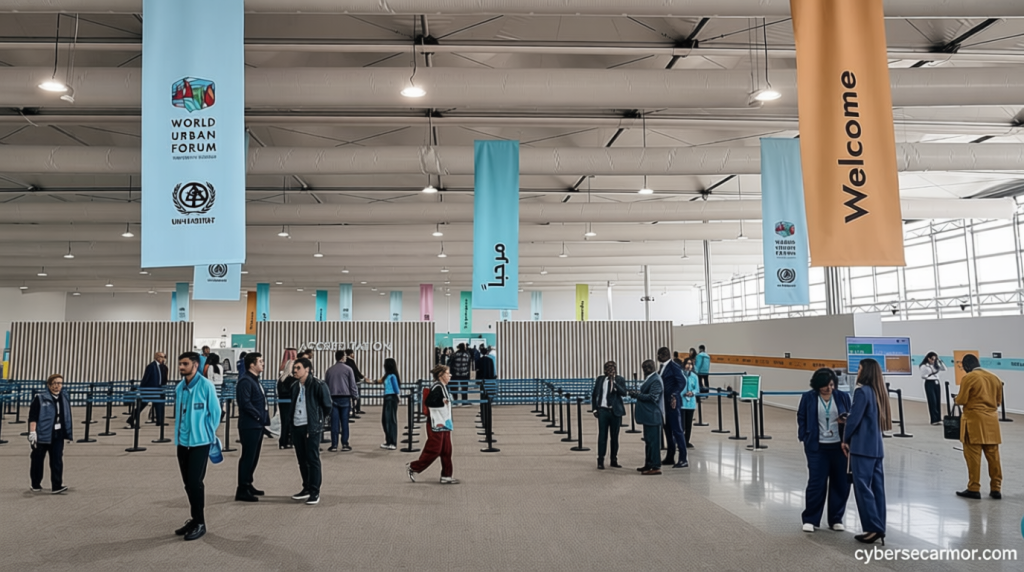
MENA leaders call for housing to go – During the 13th World Urban Forum (WUF13) held in Baku, discussions on housing in the Middle East and North Africa (MENA) took on a new dimension, moving away from traditional metrics like construction targets and financing figures. Instead, the focus shifted toward creating resilient communities, ensuring dignity for residents, and fostering long-term social stability. This evolution in discourse brought together officials and philanthropists from Saudi Arabia, Palestine, and Morocco, who emphasized the interconnectedness of housing policies with broader economic and environmental goals.
The forum highlighted how the region is increasingly integrating housing initiatives with employment opportunities, climate resilience, and urban inclusivity. In addition to addressing the challenges posed by ongoing conflicts and reconstruction efforts, participants underscored the need for tailored strategies that reflect the unique needs of each community. Lamia bint Majid Al Saud, Secretary General of Alwaleed Philanthropies, delivered a compelling message, stressing that housing solutions cannot be uniformly applied across nations. She advocated for approaches rooted in local data and cultural contexts rather than generic, one-size-fits-all models.
“We don’t view it as a problem… it is about understanding communities and being creative with solutions,” Al Saud remarked. Her insights were bolstered by examples from Africa, where climate-resistant housing was constructed using natural materials, while simultaneously providing vocational training for local masons. This dual approach not only addressed shelter needs but also created employment pathways, demonstrating the potential for integrated development models.
Al Saud further outlined how Saudi Arabia is advancing housing programs in tandem with economic empowerment, particularly for women. Through partnerships with government agencies, the organization offers housing units, vehicles, and employment training, connecting beneficiaries to ride-hailing platforms such as Uber and Careem. This initiative aims to generate sustainable income, thereby enhancing the quality of life for individuals and families.
Meanwhile, Sami Hijawi, Minister of Local Government for Palestine, spotlighted the devastating effects of the war in Gaza on urban infrastructure and housing. His speech at the forum served as a call to action, urging the international community to prioritize reconstruction efforts. Hijawi noted that Palestinian authorities are heavily relying on collaboration with global entities, including development banks and public-private partnerships, to secure the necessary financial backing despite significant economic strain.
“The Palestinian people decided to stay on their land,” Hijawi stated, emphasizing the need for increased global support to rebuild housing and urban systems. He highlighted the surge in unemployment as a direct consequence of the conflict and mentioned ongoing dialogues with international institutions like the World Bank to expand financial aid programs. For Palestinian officials, the forum represented more than a platform for urban planning—it was a diplomatic stage to rally international solidarity for long-term recovery.
Amid these discussions, Morocco’s Secretary of State for Housing, Adib Benbrahim, presented the country’s housing strategy as a regional blueprint for state-led urban transformation. His presentation highlighted Morocco’s commitment to making housing a cornerstone of social policy under King Mohammed VI. The nation’s initiatives target slum eradication, middle-class housing, and urban renewal, reflecting a holistic approach to development.
According to Moroccan officials, over 720,000 housing units have been created through public-private partnerships, while more than 325,000 individuals have benefited from slum resettlement programs since 2004. These figures underscore the scale of the country’s efforts to improve living conditions. Additionally, Morocco is implementing a new subsidy model launched in 2024, which redirects financial support from developers to citizens. This change empowers families to make independent housing choices and promotes social diversity within urban areas.
Alongside the physical construction of homes, Morocco is investing in essential services like schools and healthcare facilities, as well as upgrading infrastructure in underserved neighborhoods. These investments are part of a broader urban regeneration strategy designed to create equitable living environments. The approach aligns with the global themes of WUF13, which emphasized the role of housing in shaping sustainable and inclusive societies.
The forum also revealed a growing consensus among MENA leaders that housing is not merely a matter of building structures, but a critical component of a wider social and economic framework. This perspective is gaining traction as nations seek to address not only immediate housing needs but also the systemic factors that influence access to shelter and community well-being. The emphasis on local adaptation and creativity in solutions is a key takeaway from the discussions, as seen in the examples shared by Alwaleed Philanthropies and Morocco’s public-private model.
As the conference progressed, participants acknowledged the importance of regional cooperation in achieving these goals. The MENA region’s diverse experiences in housing policy illustrate the value of learning from one another while maintaining localized strategies. This collaborative spirit is essential in navigating the complex challenges of conflict, economic disparity, and environmental change, which all affect housing outcomes.
The 13th World Urban Forum in Baku thus served as a pivotal moment for housing debates in the MENA region, redefining the conversation around infrastructure as a means to uplift communities. By focusing on resilience, dignity, and long-term stability, the discussions laid the groundwork for more innovative and inclusive housing solutions. The outcomes of these deliberations are expected to influence future policies, ensuring that housing remains a central pillar of regional development and social progress.

