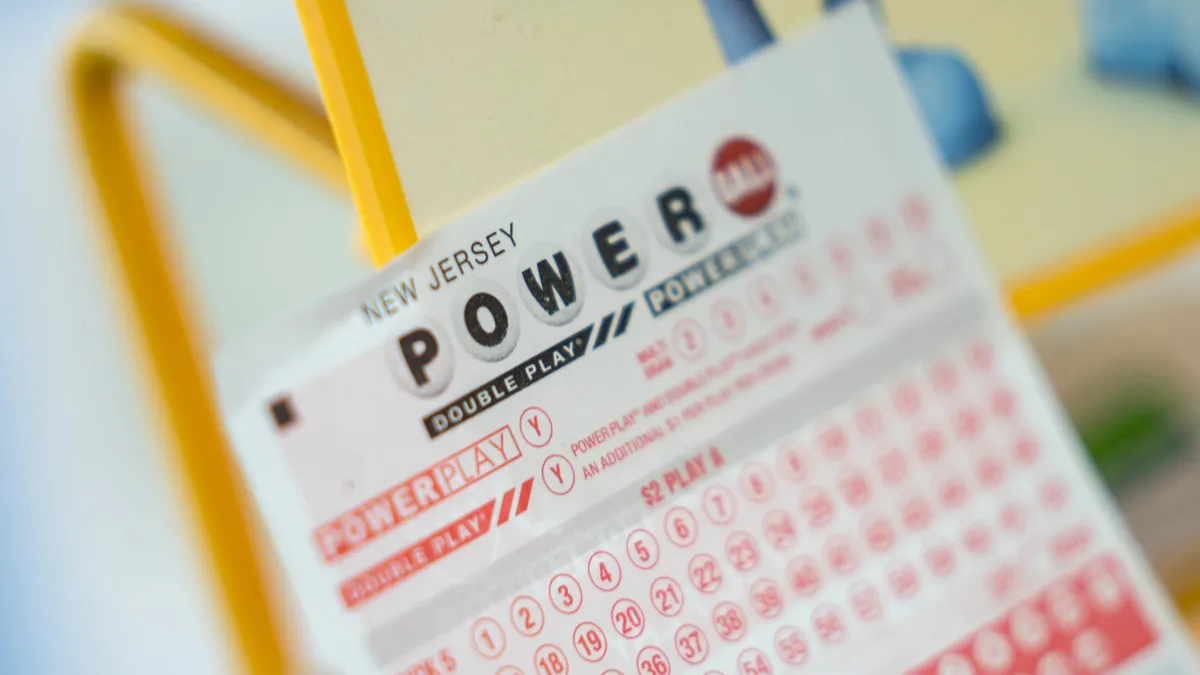
Is your 1982 penny worth $20,000? Probably not, here’s why

Daftar Isi
The Penny That Vanished: Why a Single 1982 Coin Still Commands Five Figures
Cybersecarmor.com – The United States Treasury Department quietly retired the one-cent coin from production last year, ending more than two centuries of continuous minting. Yet for a narrow slice of numismatic collectors, the humblest denomination in American currency remains an object of obsessive pursuit — not because pennies are scarce, but because one particular variety from 1982 has become something closer to a myth than a coin.
Social media feeds on Facebook, TikTok, and YouTube are saturated with posts promising that a pocketful of change might contain a penny worth tens of thousands of dollars. Those posts rack up views and engagement metrics, but they also plant seeds of unrealistic expectation in casual collectors who stumble upon them mid-scroll. Worse, they create a ready-made audience for sellers who know exactly how to exploit that hope.
The Coin at the Center of the Storm
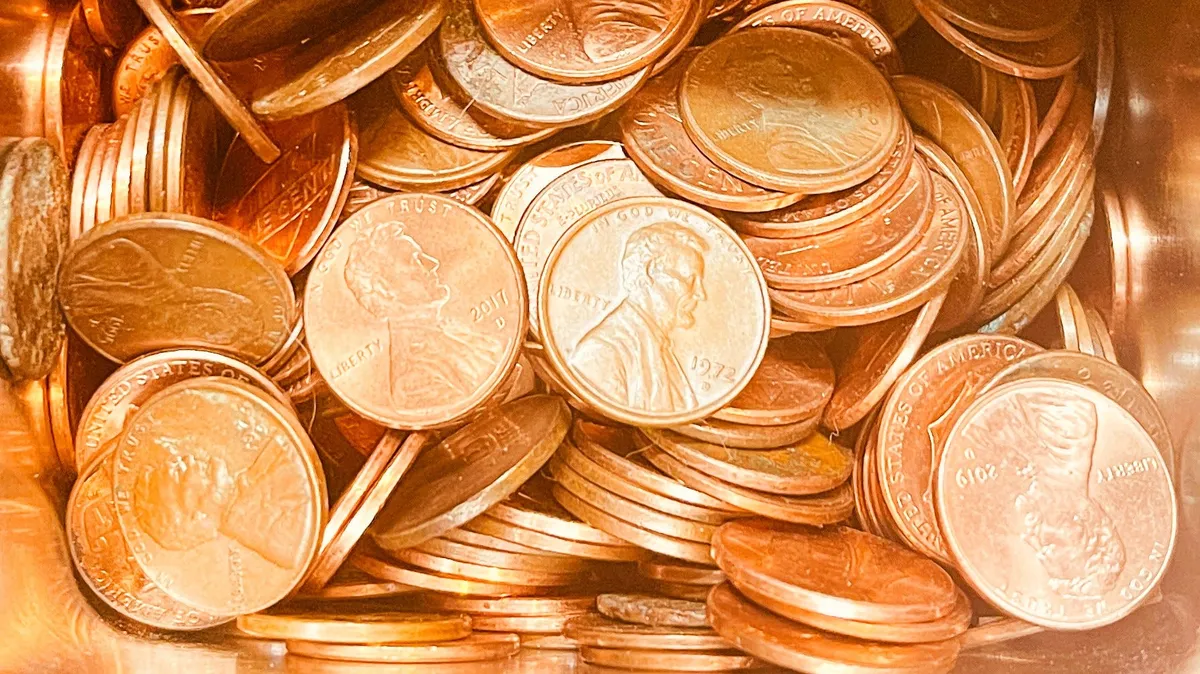
The specimen generating all this noise is the 1982-D Small Date cent: a bronze (copper-alloy) penny struck at the Denver Mint bearing a reduced-size date and the letter “D” beneath it. Its market value has hovered between $18,000 and $25,000 for years, driven almost entirely by extreme scarcity. No one knows precisely how many were produced during the brief transitional window in which they appeared.
“People have been searching for 40 years, and only two have been found, in 2016 and 2019,” said Michael Bugeja, professor emeritus at Iowa State University’s Greenlee School of Journalism and Communication and a former member of the Citizens Coinage Advisory Committee of the U.S. Treasury Department.
John Brush, president of DLRC, a rare-coin trading and auction firm, confirmed that beyond those two documented specimens, no additional example has surfaced to his knowledge.
“Unfortunately, these aren’t easy pieces to find in pocket change as the weight is the important piece of the puzzle,” Brush noted.
Why 1982 Produced a One-Off Error
To understand why this coin exists at all, you have to look at what happened inside the Mint that year. In 1982, the U.S. Mint executed its long-planned switch from solid copper-alloy planchets to zinc cores clad in thin copper — a cost-saving measure. During the transition, blank zinc discs proved difficult to strike cleanly under existing dies. Mint engineers responded by cutting new dies featuring smaller date numerals and lettering.
In the chaotic overlap between old and new tooling, a handful of genuine copper-alloy blanks were apparently struck with the newer small-date dies before production fully shifted to zinc. That brief mechanical misstep created a transitional error so rare that decades of searching have turned up only two confirmed examples.
The irony is sharp: copper prices have since climbed past the point where the raw metal in a single penny costs more than one cent, making the original copper-alloy composition economically absurd by today’s standards. The very material that made these transitional coins valuable has become too expensive to justify minting pennies at all — which is precisely why the Treasury halted production.
Seven Common Varieties Fuel the Confusion
The reason so many people believe they have struck numismatic gold when they pull a 1982 penny from a couch cushion is that seven entirely ordinary varieties share the same year. The Denver Mint produced three types: a Large Date bronze cent at 3.1 grams, a Large Date copper-plated zinc coin at 2.5 grams, and a common Small Date copper-plated zinc coin also at 2.5 grams. The Philadelphia Mint — whose pennies carry no mintmark — struck four types: Large Date bronze (3.1 g), Large Date copper-plated zinc (2.5 g), Small Date bronze (3.1 g), and Small Date copper-plated zinc (2.5 g).
The rare specimen is distinguishable only by the combination of three attributes simultaneously: a small-size date, the “D” mintmark positioned beneath that date, and a weight of exactly 3.1 grams indicating solid copper alloy rather than zinc.
“If you get this, you win the lottery,” Bugeja said.
Without all three conditions met, the coin is worth face value or perhaps a few dollars to a bulk lot buyer. Collectors unfamiliar with the distinctions either fall victim to overpriced listings or convince themselves they have discovered treasure that does not exist.
The Scam Economy Around a Ghost Coin
Bugeja recently catalogued roughly 20 active eBay listings purporting to offer 1982-D Small Date pennies, some priced in the thousands of dollars for coins almost certainly worth one cent. He posted his findings on his coin-news site Proxiblog on August 11, adding that a full day of searching would likely have surfaced dozens or hundreds more.
The broader problem with purchasing rare coins through general-marketplace platforms is structural. Mary Sauvain, executive director of the Anti-Counterfeiting Educational Foundation (ACEF), explained that buyers on such sites are essentially dealing with vendors who accept no obligation to verify authenticity and no responsibility for helping a defrauded buyer recover funds.
“Nor do they accept any responsibility to help the scammed person get their money back,” Sauvain said.
ACEF maintains an online directory of vetted expert dealers, offering collectors a path toward transactions backed by accountability. For anyone tempted by the penny-hunting narrative that social media perpetuates, that directory — or a local coin club meeting — is a far safer first step than scrolling through algorithmic feeds at midnight.
A Broader Context: Pennies as Cultural Relics
The 1982-D Small Date phenomenon sits within a longer pattern of penny-related collecting frenzies. Just last year, 1943 Lincoln wheat-back pennies dominated online coin-hunting discourse before interest cycled back to the 1982 story. Each wave follows the same arc: a viral post identifies a “hidden” variety, amateur collectors comb through household change, and a secondary market of dubious sellers springs up to meet the demand.
The U.S. Mint struck approximately 10.7 billion 1982 pennies across its Denver and Philadelphia facilities that year, so finding a 1982 penny itself is trivially easy. Finding the specific transitional error remains, by every available metric, close to impossible.
“Will they find it? Almost always no,” Bugeja said. “Why hasn’t another been found then? Answer: Because there may not be a third.”
Until proven otherwise, the two confirmed specimens — surfaced in 2016 and 2019 — remain the entire known population of what collectors have chased for four decades. The penny in your pocket is almost certainly worth exactly one cent. That fact, however unglamorous, is the most reliable piece of numismatic advice available.
Related Reading
Frequently Asked Questions
What is Is your 1982 penny worth 20 000?
Is your 1982 penny worth 20 000 is the main topic of this guide. The article explains the context, practical details, and next steps readers should understand.
Why does Is your 1982 penny worth 20 000 matter?
Is your 1982 penny worth 20 000 matters because readers are looking for a useful answer, not just a short summary. Good content should match search intent and help them decide what to do next.