‘Former journalist’ Dianna Russini kept knowledge of Mike Vrabel photos from bosses

Former Journalist Dianna Russini Kept Knowledge of Mike Vrabel Photos From Bosses
New York Times and The Athletic React to Controversial Leaks
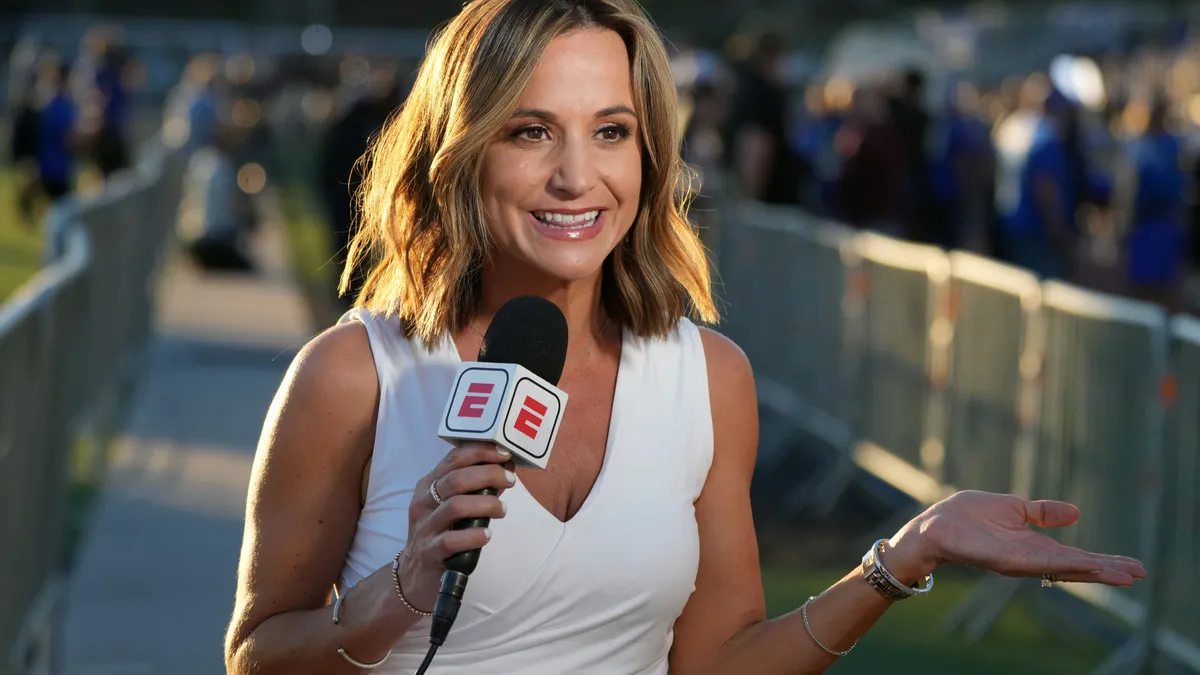
Cybersecarmor.com – When the New York Post released a stunning report featuring photos of Dianna Russini, a former NFL insider, and New England Patriots coach Mike Vrabel, the response from executives at the New York Times and The Athletic was swift. However, what remained hidden for two days was the fact that the Post had already reached out to Russini prior to the public revelation. This detail emerged in a new report from the Times, published on June 24, which shed light on the chain of events leading to the scandal.
Russini, who had previously worked as a journalist for both the Times and The Athletic, was reportedly contacted by the Post on Easter Sunday. According to a spokesperson for the Times, she chose to withhold this information from her superiors at the publication for two days. Initially, her bosses at the Times were unaware of the photos and stood by her, allowing her to continue her work unchallenged. This changed when the Times, which owns The Athletic, launched an investigation into her past reporting, uncovering discrepancies that led to her eventual resignation.
“Dianna was initially contacted by the Post on Easter Sunday, and she delayed informing her bosses at the Times for two days,” said a Times representative, Danielle Roades Ha, in an email. “The photos that were later published raised new questions about her conduct and the decisions made within the organization.”
The scandal escalated rapidly after the initial photos were shared. As more outlets released additional images, the public scrutiny intensified, forcing Russini to resign just a week after the first set of photos appeared. The situation not only impacted her professional standing but also sparked a broader conversation about transparency in media and the consequences of leaking sensitive information.
Russini’s relationship with the Times and The Athletic had been marked by her role as a trusted insider. She was paid approximately $800,000 per year, which positioned her as a key figure in the organization’s operations. However, her recent actions brought her under fire, with critics questioning her judgment and loyalty. In a text exchange with a reporter, she referred to herself as a “former journalist” and requested that part of her response be excluded from the story, hinting at the personal and professional toll the incident had taken.
“This has had a significant impact on my life, both professionally and personally,” Russini wrote in the conversation. Her words underscored the emotional weight of the situation, as the photos not only questioned her credibility but also cast doubt on her past reporting.
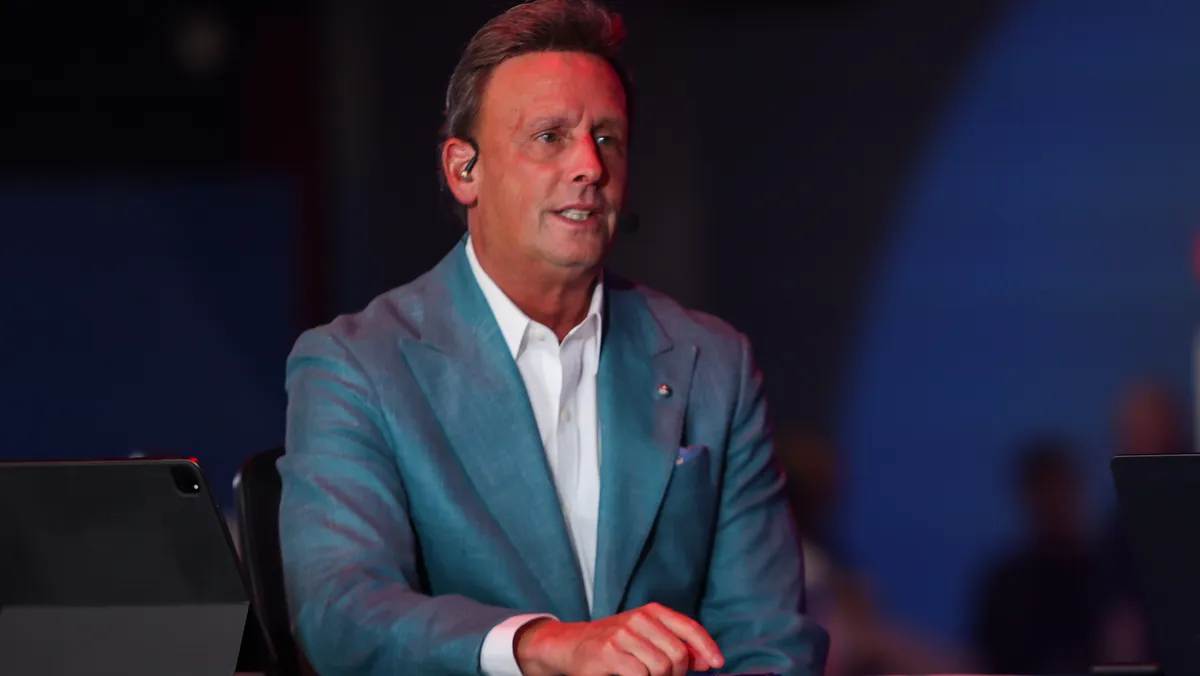
The controversy surrounding the photos extended beyond Russini’s actions. Mike Vrabel, the Patriots coach, was directly implicated in the images, and his response to the scandal was equally notable. Vrabel described the photos as “laughable” in a statement, a remark that drew attention from media analysts and critics alike. While some viewed his reaction as a sign of resilience, others called it a “disaster” for the organization’s reputation, citing the lack of context in the initial release.
As the investigation into Russini’s conduct unfolded, it became clear that the New York Times had played a central role in the fallout. According to the Times’ spokeswoman, Russini had first reached out to the company’s president and chief executive officer, Meredith Popit Levien, rather than her immediate supervisors at The Athletic. This decision to bypass her direct chain of command highlighted a potential conflict in communication and responsibility within the organization.
The Athletic’s executive editor, Steven Ginsbery, eventually issued a statement supporting Russini, arguing that the photos lacked essential context. “More images were included in the story than Steven was initially aware of,” the Times’ representative explained. “These additional photos raised new concerns about her actions and the decisions made during the investigation.”
The incident has sparked debates about the balance between journalistic integrity and personal conduct. While Russini’s work as a reporter had previously been praised for its insight into the NFL world, the photos now serve as a focal point for criticism. Her resignation marks a significant turning point, with the media now scrutinizing her past contributions and the trust she had built with her colleagues.
Furthermore, the personal lives of both Russini and Vrabel have become part of the narrative. The fact that they are both married to other individuals adds a layer of complexity to the situation, with some observers suggesting that the photos may have been a strategic move to generate attention or secure a favorable outcome. However, others argue that the personal element only amplifies the public’s perception of the scandal.
The scandal also reflects broader challenges in the media industry, where the pressure to publish quickly often clashes with the need for thorough verification. Russini’s delay in informing her bosses raises questions about whether the Times and The Athletic had sufficient safeguards in place to prevent such a leak. Her actions, while perhaps intentional, have left a lasting mark on her career and the credibility of the organizations she once represented.
As the story continues to unfold, it remains a case study in the consequences of leaking information without proper disclosure. The New York Post’s initial report, which set the stage for the controversy, now appears to have been the catalyst for a larger investigation into the conduct of a respected figure in the media world. For Russini, the fallout serves as a reminder of the fine line between professional ambition and personal accountability.
Experts have weighed in on the incident, with some highlighting the importance of transparency in maintaining trust. “The situation demonstrates how even well-regarded journalists can face scrutiny when information is released without full context,” said one media analyst. “It also underscores the need for clear protocols in handling sensitive material.”
The aftermath of the photos has been a mix of public outrage and internal reassessment. While Russini’s resignation signals the end of her tenure at the Times and The Athletic, the incident has left a lingering impact on the organizations’ reputations. The debate over her actions continues, with opinions divided on whether she should be held accountable for the leak or if the circumstances justified her decision to withhold information temporarily.
Ultimately, the case of Dianna Russini and the photos of Mike Vrabel serves as a cautionary tale for journalists and executives alike. It highlights the delicate balance between maintaining professional relationships and upholding the standards of truth and transparency that are essential to the media’s credibility. As the dust settles, the focus remains on the lessons learned and the ongoing discussions about the role of journalists in shaping public perception.