Flesh-eating screwworms in Texas could make beef prices rise

Flesh-eating Screwworms in Texas Could Drive Beef Prices Higher
Cybersecarmor.com – On June 9, U.S. authorities confirmed three fresh instances of the New World screwworm, a parasitic fly capable of inflicting painful infections on animals and posing a risk to humans. This brings the total number of domestic cases to five, with the latest sightings reported in Texas and New Mexico. The resurgence of this invasive species has raised alarms among agricultural officials and industry stakeholders.
Threat to Livestock and Economic Impact
Scientists warn that a large-scale outbreak of the screwworm could have severe consequences for Texas’ livestock sector. According to the Centers for Disease Control and Prevention, the parasitic fly’s spread might result in billions of dollars in losses, potentially pushing beef prices upward. The American Farm Bureau Federation noted that cattle prices have been on an upward trend since December 2020, influenced by robust demand and the smallest U.S. cattle herd in over seven decades.
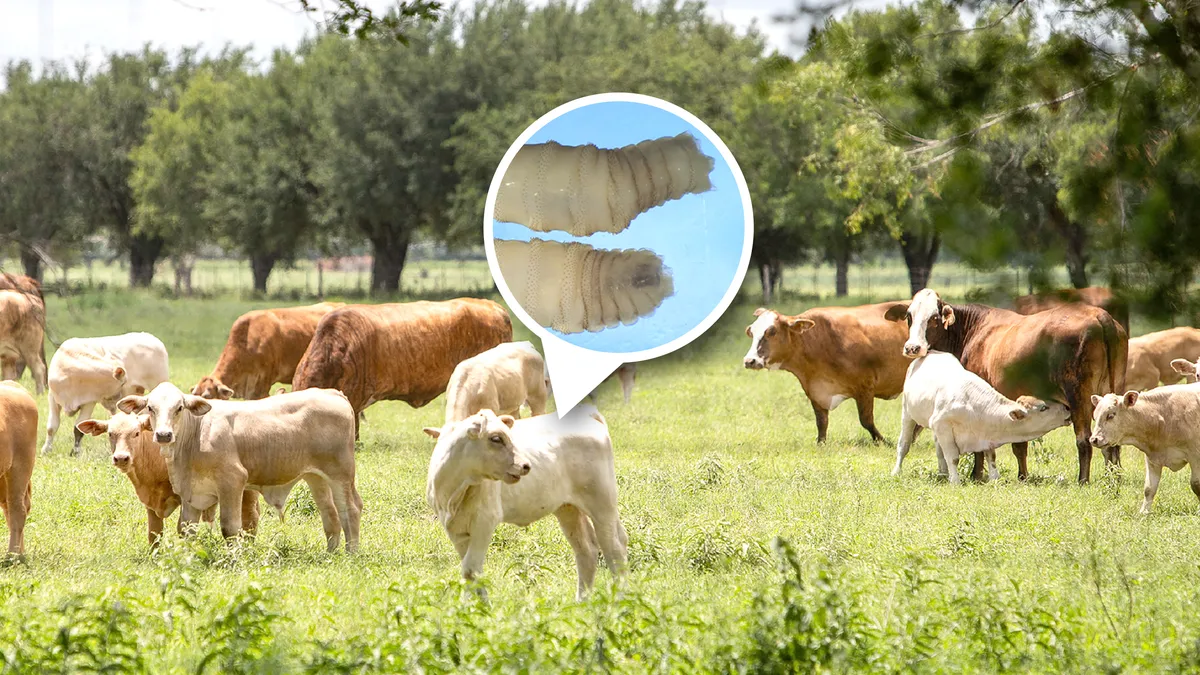
The New World screwworm, or NWS, is a formidable threat. Its larvae, or maggots, burrow into the flesh of living animals, causing devastating damage. This process, known as myiasis, leads to infections that can be severe and even fatal. The CDC emphasizes that the maggots’ unique method of infestation—using sharp mouth hooks to “screw” into wounds—makes them particularly dangerous.
Origins and Spread of the Screwworm
First identified in Texas on June 3, the NWS has been steadily advancing northward since its presence in Mexico and Central America in 2023. Originally native to South America and the Caribbean, the screwworm was once eradicated from the U.S. in the 1960s, Mexico in the 1970s, and much of Central America by the early 2000s. However, recent outbreaks in Panama, Costa Rica, Nicaragua, and Honduras in October 2024 have reignited concerns about its potential to reach the U.S.
According to the USDA, the first NWS case in southern Mexico was reported to the U.S. in November. Despite collaborative efforts between the U.S. and Mexico to eliminate the infestation, the agency states that the fly’s movement north has been faster than expected. “There has been unacceptable northward advancement of NWS, and additional action must be taken to slow the northern progression of this deadly parasitic fly,” the USDA highlighted.
The Canadian Food Inspection Agency took swift measures, announcing on June 5 a ban on Texas livestock due to the screwworm spread. Texas Governor Greg Abbott echoed this urgency by declaring a state of disaster the same day, calling the situation an “imminent threat.” However, some Texas officials argued that the Canadian response was excessive, stressing that the screwworm does not infect meat or fruit, only live animals, birds, and, in rare cases, humans.
Life Cycle and Health Risks
The life cycle of the New World screwworm is a key factor in its ability to cause widespread harm. Female flies lay eggs on open wounds or other exposed areas of the body in live, warm-blooded animals. Even a minor injury, like a tick bite, can attract these pests. Once the eggs hatch, the larvae burrow into the flesh, feeding on living tissue and causing significant pain and tissue damage.
Unlike other maggots that typically feed on decaying matter, the NWS larvae target healthy, living tissue. This distinction makes their infestation especially harmful. After consuming enough tissue, the larvae drop to the ground, where they burrow into the soil to develop into adult flies. The cycle then repeats, perpetuating the threat to both livestock and wildlife.
Health professionals caution that early detection is crucial. Symptoms of an infestation may include visible maggots near or within an open wound, as well as inflammation, fever, or chills due to secondary bacterial infections. The CDC recommends that individuals seek medical help immediately, as attempting to remove maggots without professional guidance can worsen the condition.
The pain caused by these maggots is described as intense and persistent. “Burrowing maggots in living creatures are highly painful,” the CDC noted. For animals, this can lead to reduced productivity, increased mortality rates, and higher veterinary costs. In humans, while rare, the risk of infection remains a concern, particularly for those with open wounds or compromised immune systems.
Combating the Outbreak
Efforts to contain the screwworm outbreak have intensified. The USDA has implemented a range of countermeasures, including monitoring programs, treatment protocols, and coordination with international partners. These initiatives aim to prevent the spread of NWS to other regions and mitigate its impact on the agricultural sector.
Experts stress the importance of rapid response to curb the fly’s progression. “The speed at which NWS has advanced into the U.S. is alarming,” said a CDC spokesperson. “Without immediate action, the damage to both wildlife and livestock could be catastrophic.” The agency has also urged farmers and ranchers to take preventive steps, such as protecting animals from injury and promptly treating wounds.
As the situation evolves, the interplay between the screwworm’s biological traits and the economic implications of its spread continues to shape policy and public awareness. The potential for higher beef prices underscores the need for coordinated efforts to safeguard the nation’s livestock industry and prevent further escalation of the crisis.
Contributing to this report: Greta Cross, John Bacon, Mike Snider, and Eduardo Cuevas. Additional reporting and research by the USA TODAY Network, Reuters, the Department of Agriculture, and the Centers for Disease Control and Prevention.