
US seeks ‘maritime freedom’ coalition to restart Strait of Hormuz shipping
US seeks ‘maritime freedom’ coalition to restart Strait of Hormuz shipping
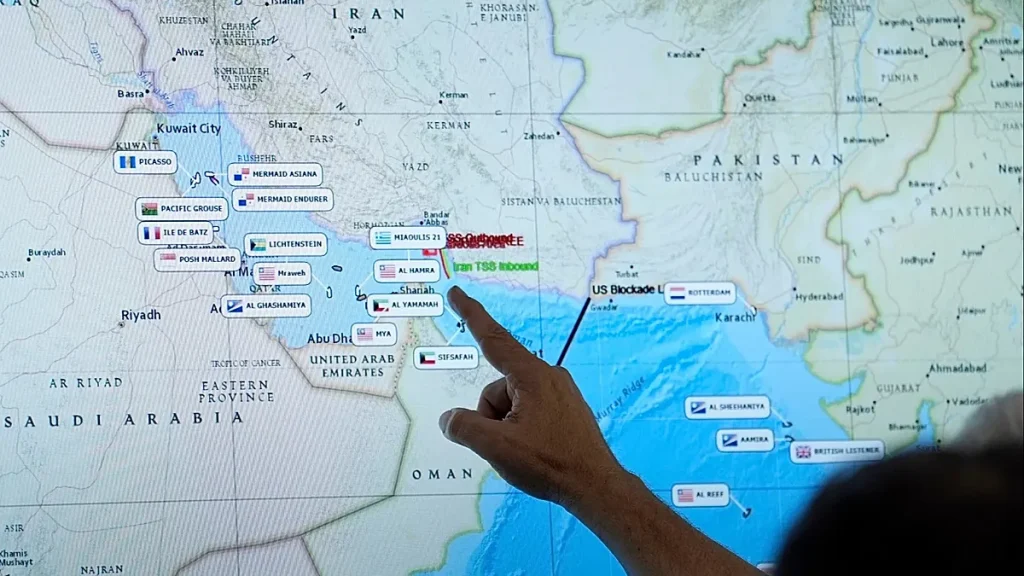
US seeks maritime freedom coalition to restart – On Thursday, the United States unveiled plans to initiate a global initiative aimed at reviving maritime traffic through the Strait of Hormuz, a critical chokepoint for international trade. A senior State Department official confirmed the move during a briefing, highlighting the waterway’s strategic importance as it remains largely blocked due to ongoing disputes with Iran. The effort, dubbed the “Maritime Freedom Construct” (MFC), is designed to guarantee the safe passage of vessels, with measures including real-time monitoring, operational guidance, and interagency coordination to mitigate risks to shipping routes.
Coalition Details and Diplomatic Push
The MFC, according to the official, will function as a collaborative platform involving foreign governments, military allies, and commercial shipping entities. “This initiative will serve as the diplomatic operations hub, uniting partners and the energy sector to ensure uninterrupted transit,” the source explained. The effort is reportedly backed by a classified diplomatic cable, which has been shared with US embassies worldwide to encourage participation. The document suggests that the MFC will be led by the State Department, with military logistics managed by US Central Command (CENTCOM), which oversees American forces in the Middle East.
While the official spoke on condition of anonymity, the cable emphasizes the need for collective action to counter Iran’s control over the Strait. “Participation will strengthen our ability to enforce freedom of navigation and safeguard the global economy,” the document states. This underscores the urgency of the situation, as the closure of the waterway has disrupted supply chains and heightened geopolitical tensions. The initiative also seeks to demonstrate unified resolve against Iran’s continued obstruction of maritime routes.
Iran’s Blockade and Economic Impact
Since the conflict began on 28 February, Iran has effectively sealed the Strait of Hormuz, restricting the flow of oil tankers and liquefied natural gas carriers. This has had a profound effect on global energy markets, with crude oil prices surging to record levels. On Thursday, benchmark Brent crude for June delivery reached $126 per barrel—a peak not seen since the 2022 invasion of Ukraine by Russia. Analysts note that the Strait, which typically handles one-fifth of the world’s oil transit, has become a focal point of economic warfare.
The US Navy’s recent imposition of a blockade on Iranian ports further intensified the situation. This move, announced by CENTCOM, targets the Iranian coastline, aiming to pressure Tehran into easing its grip on the waterway. However, Iran’s President Masoud Pezeshkian dismissed the measure as “doomed to fail,” arguing that it would only exacerbate regional instability. “These actions do not enhance security but instead create tension and disrupt lasting peace in the Persian Gulf,” he stated in a televised address, criticizing the US for its unilateral approach.
Iranian Leadership and Strategic Claims
Iran’s Supreme Leader, Ayatollah Mojtaba Khamenei, reportedly asserted in a written message that the United States had suffered a “defeat” in its military campaign. The statement, shared on state television, coincided with the annual celebration of “Persian Gulf Day,” a symbolic event marking the region’s significance. Khamenei, who assumed leadership on 9 March following the death of his father, Ali Khamenei, during a US-Israeli strike on 28 February, praised Iran’s “new legal framework and management” of the Strait as a victory for regional stability.
Despite the strikes, Khamenei’s son, the current leader, has maintained a strong presence in the conflict. Iranian officials, cited by the New York Times, claimed he was “gravely wounded” but remains “mentally sharp,” enabling him to direct the nation’s response to the US blockade. In his message, he argued that US military bases in the region are “unable to secure their own safety, let alone protect allies,” a claim that highlights Iran’s confidence in its strategic dominance over the Strait.
The closure of the waterway has not only affected oil prices but also raised concerns about energy security for nations reliant on Middle Eastern imports. With Iran controlling the flow of resources, countries such as India, China, and Japan have been forced to seek alternative routes, increasing transportation costs and logistical challenges. The MFC’s proposed intervention seeks to reverse this trend by establishing a unified front to challenge Iran’s unilateral actions.
Historical Context and Geopolitical Tensions
The Strait of Hormuz has long been a flashpoint for international tensions, with its strategic location making it a key asset for energy-exporting nations. The waterway, situated between the Gulf of Oman and the Arabian Sea, is critical for transporting approximately 20% of the world’s oil supply. Its closure during the war has led to a significant spike in prices, with some analysts warning of potential shortages if the situation persists.
Earlier this week, US President Donald Trump reiterated his stance on the issue, vowing to maintain the naval blockade for months if necessary. His comments came after a series of diplomatic and military moves to counter Iranian influence. Trump’s rhetoric has been a point of contention with allies, who have criticized his approach as overly aggressive. The MFC, however, represents a broader strategy to involve international partners in the effort to secure the waterway, blending diplomacy with military coordination.
UK and France have also played a pivotal role in recent discussions, convening a meeting with over 50 countries to explore a separate maritime initiative. This effort, while aligned with the US goal, has been presented as a complementary rather than competing plan. The collaboration between European nations and the US underscores the shared interest in maintaining the flow of global energy resources, even as Iran continues to assert its control over the region.
As the situation unfolds, the MFC’s success will depend on the willingness of participating nations to commit resources and political capital. The coalition’s ability to coordinate effectively and provide real-time support to vessels will be crucial in challenging Iran’s blockade. Meanwhile, the Iranian leadership’s confidence in its strategic position remains unshaken, with Khamenei framing the conflict as a turning point for the region’s energy autonomy and political resilience.
Global Ramifications and Future Outlook
The ongoing dispute over the Strait of Hormuz has far-reaching implications beyond the immediate economic impact. It has rekindled debates about the role of the United States in global energy security and the effectiveness of its alliances. The MFC’s formation signals a shift toward a more proactive and coordinated approach, blending diplomatic pressure with military readiness. Analysts suggest that this initiative could set a precedent for future interventions in critical chokepoints, with the potential to reshape the balance of power in the region.
As the world watches the situation evolve, the closure of the Strait continues to test the limits of international cooperation. The MFC’s efforts to restore free navigation will be scrutinized for their ability to counter Iran’s dominance without escalating conflict further. With energy prices at a critical high and the global economy vulnerable to supply chain disruptions, the success of this coalition could determine the stability of the Persian Gulf in the coming months.
Meanwhile, Iran’s position is reinforced by its continued control of the Strait, which it views as a symbol of its sovereignty and resistance. The younger Khamenei’s leadership has been marked by a focus on assertive policies, including the management of the waterway as a tool of geopolitical leverage. His message, delivered during a time of national pride, highlights the Iranian government’s determination to sustain its influence over the region’s vital arteries of trade and transport.
Experts warn that the prolonged closure of the Strait could lead to broader economic consequences, including inflationary pressures and shifts in energy markets. The MFC’s intervention may offer a temporary reprieve, but its long-term viability will hinge on sustained support from participating nations and the ability to adapt to Iran’s evolving strategies. As the conflict continues, the outcome of these efforts will shape the future of maritime freedom in the region and the resilience of the global energy network.

