
‘Zapper Bolloré’: Publishing protest spreads to French cinema at Cannes
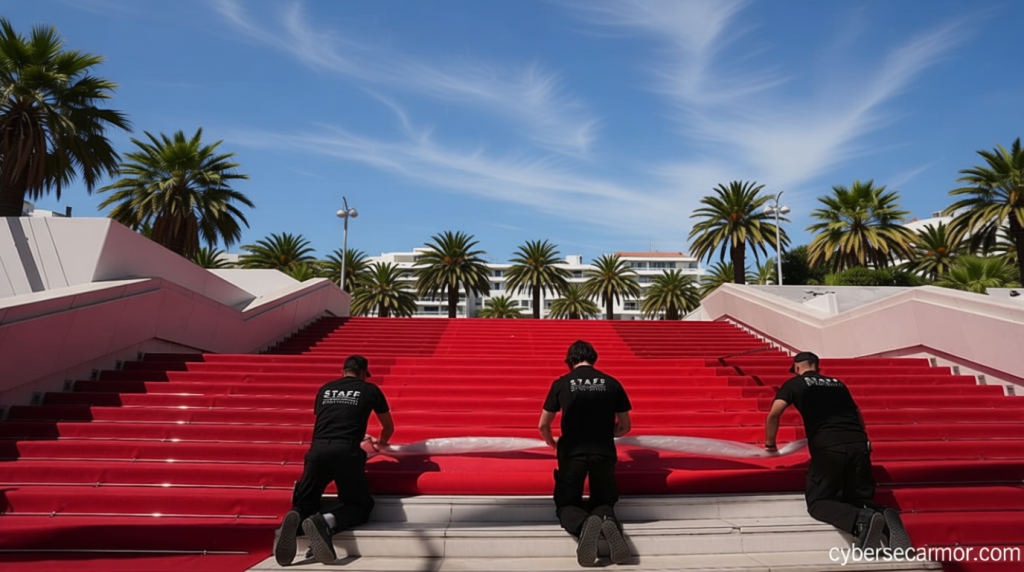
Zapper Bolloré: Publishing Protest Spreads to French Cinema at Cannes
Zapper Bolloré – The 79th Cannes Film Festival has become a flashpoint for growing concerns within the French film industry, as a coalition of 600 professionals—directors, actors, technicians, and producers—unveiled a scathing critique in *Libération*. Their open letter targets Vincent Bolloré, the Breton billionaire whose media empire is accused of exerting a “tentacular and ideological” grip over the sector. The group, dubbed “Zapper Bolloré,” warns of an escalating concentration of cultural and media power, arguing that Bolloré’s influence threatens the independence of French cinema. This movement, they claim, is not just about business but a broader ideological battle, one that could reshape the creative landscape of the country.
The Battle for Creative Control
The coalition’s concerns center on Bolloré’s control of Canal+, a key player in French media. The group highlights that Canal+ has already acquired 34% of UGC, the third-largest cinema network in France, and plans to purchase the remaining shares by 2028. This strategic move, they argue, would grant Bolloré unparalleled authority over the entire film production chain, from financing to distribution across screens. “The potential for control is staggering,” one of the signatories asserts. “He could dictate the narrative of French cinema from the top down.”
“We are not just risking a standardisation of films, but a fascist takeover of the collective imagination,” the authors write. “While the influence of this ideological offensive on the content of films has been discreet for the moment, we are under no illusions: it will not last.”
This fear is rooted in the belief that Bolloré’s media empire, through channels like CNews and his publishing houses, is promoting a “reactionary and far-right” vision of French culture. The coalition sees this as a campaign to align the film industry with political agendas they oppose, potentially sidelining diverse voices in favor of a homogenized narrative. The Cannes Film Festival, an international stage for cinematic artistry, has been chosen as a battleground to amplify these concerns. With journalists from around the globe present, the protest aims to expose the threat to artistic freedom and the festival’s role in shaping cultural identity.
A Publishing Crisis Reflecting Broader Fears
Parallel to the Cannes protests, the Grasset publishing house is experiencing its own upheaval, underscoring the national crisis. Since April, the firm has faced an unprecedented exodus of authors following the replacement of its CEO, Olivier Nora, with Jean-Christophe Thiery—a staunch ally of Vincent Bolloré. The conflict erupted over the publication of *La Légende*, the latest book by Boualem Sansal, which the new management pushed to release hastily, contrary to the advice of the publisher’s longtime editorial team. What began as a dispute over internal policies has since escalated into a mass departure, with over 200 French writers, including prominent names like Virginie Despentes, Dan Franck, Gaël Faye, Bernard-Henry Levy, and Sorj Chalandon, leaving the publisher in solidarity.
“As authors published on the international list of Éditions Grasset, we are expressing our deep concern about the future of this publishing house, its editorial integrity, and the teams that bring it to life,” the remaining authors state. “We refuse to allow our work to be used for political ends that we do not share. The extreme right acts beyond borders; it must be fought beyond borders. Under these conditions, we will not submit our next works to Éditions Grasset.”
The international authors, now rallying to support the French contingent, emphasize that the crisis transcends national boundaries. They argue that Grasset’s editorial direction reflects a broader ideological shift, one that prioritizes Bolloré’s vision over the creative autonomy of writers. This has sparked a collective movement among foreign authors, who are also distancing themselves from the publisher. The coalition’s actions signal a turning point, as they seek to protect the integrity of literary expression against perceived encroachment by corporate interests.
The Ripple Effect of a Single Vision
At the heart of the protests is the belief that Bolloré’s influence is not merely economic but cultural. The coalition points to Canal+’s role as a major investor in French cinema, having pledged €480 million between 2025 and 2027. This financial backing has created a dependency on the group, making it nearly impossible for independent filmmakers to launch projects without its support. The signatories stress that this dependency has enabled Bolloré to steer the industry’s creative direction, ensuring that films align with his political and ideological goals.
They describe this as a “civilisational project” aimed at reshaping France’s cultural output. The term is used to imply that Bolloré’s initiatives are not just about profit but about embedding a specific worldview into the national imagination. Critics argue that this approach risks reducing cinema to a tool of cultural influence rather than a platform for artistic experimentation. The fears are compounded by the festival’s reputation as a space for unfiltered creativity, where the stakes of ideological control are particularly high.
A Call for Unity and Resistance
The coalition’s statement is a clarion call for collaboration across the industry. They urge filmmakers, writers, and publishers to unite against the growing dominance of Bolloré’s empire, advocating for a movement that safeguards independence. The Cannes Film Festival, they say, is an ideal venue for this campaign, as it attracts global attention and symbolizes the pinnacle of artistic achievement. By leveraging this platform, the group hopes to spark a wider conversation about the future of French media and its role in preserving cultural diversity.
The protests are not limited to the film industry. The Grasset crisis has demonstrated that Bolloré’s influence extends to publishing, where his control of the sector has already begun to reshape the landscape. The exodus of authors, both domestic and international, suggests that his vision is gaining traction, but it also highlights the urgency of resistance. As the coalition warns, the threat of a homogenized cultural narrative is real, and without intervention, the very essence of French creativity may be at risk.
With the Cannes Film Festival as a backdrop, the Zapper Bolloré movement has taken on a symbolic significance. It represents a collective effort to reclaim artistic and intellectual freedom from the hands of a single entrepreneur. As the festival unfolds, the battle for the soul of French cinema continues, with the stakes higher than ever for those who stand to lose their voice in the industry. The coalition’s message is clear: the fight for independence is not just a matter of business but a cultural imperative that must be addressed now.

