
Iran war will trigger largest energy price surge since 2022, World Bank warns
Iran War Sparks Global Energy Price Surge, World Bank Predicts
Iran war will trigger largest energy – The World Bank’s latest Commodity Markets Outlook, released on Tuesday, forecasts a 24% jump in energy prices this year. This surge is attributed to the ongoing Iran war and the resulting blockade of the Strait of Hormuz, which has sent shockwaves through international markets. The report highlights this as the most significant energy price spike since the full-scale invasion of Ukraine by Russia in 2022, with far-reaching implications for inflation and economic growth in developing countries.
Commodity Market Volatility Intensifies
According to the World Bank, global commodity markets are entering their most turbulent phase in four years. Energy and fertiliser prices are expected to lead a widespread 16% increase in overall commodity costs throughout 2026. The regional instability has already caused the largest oil supply disruption on record, with global production plummeting by over 10 million barrels per day during the crisis. Analysts note that while some prices have eased from their peak levels, infrastructure damage and shipping bottlenecks in the Strait of Hormuz will maintain elevated energy costs for the near future.
The current turmoil has effectively reversed a year-long trend of declining commodity prices, creating an environment of stagflation. This phenomenon, marked by stagnant economic growth and high inflation, is making it challenging for central banks to adjust interest rates in response. Ayhan Kose, the World Bank’s deputy chief economist, warned that governments should avoid broad fiscal measures that could distort markets and instead provide targeted support to the most vulnerable households to manage the upcoming economic challenges.
Strait of Hormuz as a Critical Trade Route
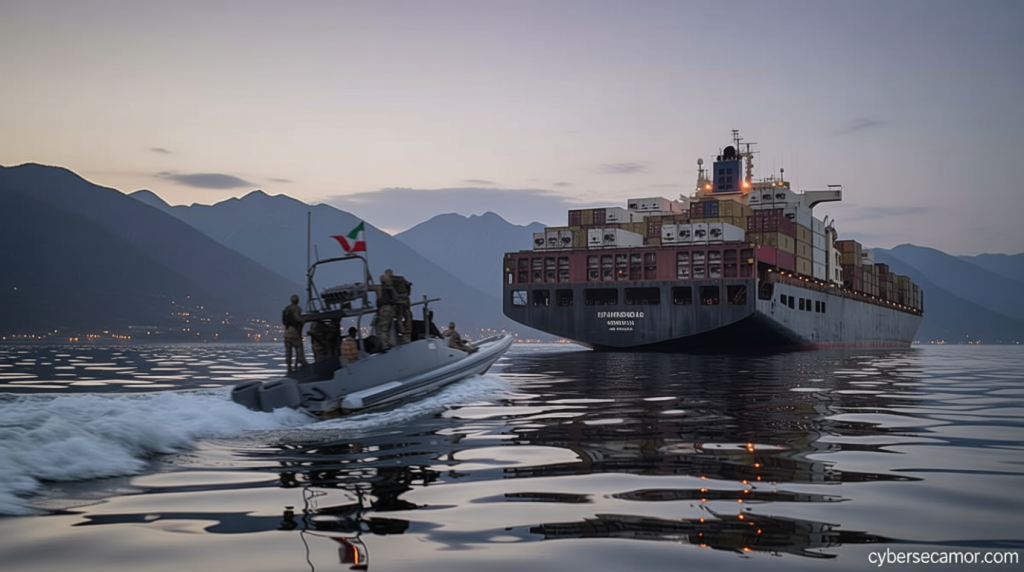
The primary catalyst for this market instability is the unprecedented disruption of Middle Eastern shipping routes. The Strait of Hormuz, a vital maritime chokepoint responsible for roughly 20% of the world’s seaborne crude oil trade, has seen a near-complete halt in traffic due to the conflict. This has created a bottleneck that has forced global markets to recalibrate their expectations. The World Bank’s forecast for Brent crude oil now stands at $86 per barrel for 2026, a sharp rise from the $69 average recorded in 2025. However, this prediction assumes that the most severe disruptions will begin to ease by May and that production levels will gradually return to pre-war conditions by year-end.
At the time of the report’s release, US benchmark crude, WTI, exceeded $102 per barrel, while Brent crude, the international standard, hit over $110 for the first time in three weeks. These figures underscore the immediate financial pressure on economies reliant on energy imports. The UAE’s decision to exit OPEC+ on 1 May further adds complexity to the situation, as the country aims to restructure its energy strategy to address shifting demand patterns. The energy minister of the UAE stated that this move would allow for a “gradual boost to oil production,” though the effectiveness of this strategy remains uncertain in the face of ongoing geopolitical tensions.
Broader Economic Impacts
Analysts suggest that the conflict has intensified the strain on global energy markets, with ripple effects extending beyond oil. The report notes that volatility in the oil sector directly influences natural gas and liquefied natural gas (LNG) benchmarks, as nations seek alternative energy sources to offset supply shortages. The European Union, for instance, has already incurred over €27 billion in additional fossil fuel import costs since the conflict began, highlighting the region’s reliance on energy imports from volatile regions.
The International Energy Agency (IEA) has also characterized the current situation as the greatest energy security threat in history. The elevated fuel costs are projected to dampen global growth, with serious consequences for job creation and industrial development in both emerging and advanced economies. The International Monetary Fund (IMF) recently revised its 2026 global growth forecast to 3.1%, a 0.2% decrease from its earlier projection. The eurozone’s growth estimate was similarly adjusted, dropping to 1.1% from 1.4%. These revisions reflect concerns about the sustained impact of energy price hikes on economic activity.
Moreover, the IMF has raised its inflation expectations to 4.4%, with the potential for further escalation if energy price volatility persists into 2027. In such a scenario, the fund warns of a “severe scenario” where global growth could contract to as low as 2%. The World Bank’s report reinforces these warnings, emphasizing that geopolitical risks have a disproportionately large effect on market stability. During periods of heightened conflict, oil price fluctuations are roughly twice as pronounced compared to times of calm, according to the analysis.
Strategies for Mitigating Impact
As the conflict continues, the World Bank urges policymakers to adopt measures that balance immediate relief with long-term market stability. Ayhan Kose highlighted the importance of targeted fiscal support, stating that “governments must resist the temptation of broad and untargeted aid that could distort markets.” Instead, he recommended temporary assistance for the most vulnerable populations to cushion the economic fallout. This approach would help preserve purchasing power while avoiding inflationary pressures that could exacerbate the crisis.
The UAE’s decision to leave OPEC+ introduces an additional layer of uncertainty. While the country’s move is intended to increase oil production and stabilize prices, it may also signal a shift in supply dynamics. If other major oil producers follow suit, the lack of coordination could lead to further price volatility. Conversely, if the UAE’s strategy proves successful, it may provide a much-needed injection of supply to counterbalance the demand-side pressures from the conflict.
Meanwhile, the report underscores the interconnectedness of global markets, with energy price shocks reverberating across sectors. The escalation of the Iran war has not only disrupted oil supply but also created a ripple effect in other energy domains, such as natural gas and LNG. This interdependence highlights the fragility of the global economy in the face of geopolitical crises. The World Bank’s analysis serves as a stark reminder that even small disruptions in key regions can have outsized effects on international trade and financial systems.
As the conflict unfolds, the World Bank’s warnings are gaining traction. With energy prices at a four-year high and commodity markets in turmoil, the stakes for global economic stability have never been higher. The coming months will be crucial in determining whether the initial shocks will subside or if the situation will evolve into a prolonged period of price instability. The report’s findings call for vigilance and strategic planning to navigate the challenges ahead, ensuring that developing economies are not left disproportionately affected by this surge in energy costs.
Global Implications and Future Outlook
The World Bank’s report paints a picture of a world grappling with the dual challenges of supply shocks and inflationary pressures. The forecasted energy price surge is not only a financial burden but also a potential catalyst for broader economic adjustments. In the context of the IMF’s revised growth and inflation projections, the interplay between energy costs and global economic performance has become a central issue. The World Bank’s warning echoes a growing consensus that the Iran war could mark a turning point in the global energy landscape, with lasting consequences for both developed and developing economies.
With the Strait of Hormuz remaining a focal point of the crisis, the path to stability depends on the resolution of the conflict and the restoration of shipping routes. The UAE’s exit from OPEC+ could either ease or exacerbate the situation, depending on how other oil-producing nations respond. As the world watches the evolving dynamics of the Iran war, the lessons from the 2022 energy surge are proving relevant again. The World Bank’s latest outlook serves as a timely reminder of the delicate balance between geopolitical tensions and economic resilience, urging stakeholders to prepare for a prolonged period of uncertainty.

