Chick-fil-A’s reign is over. See who is now the top fast food chain

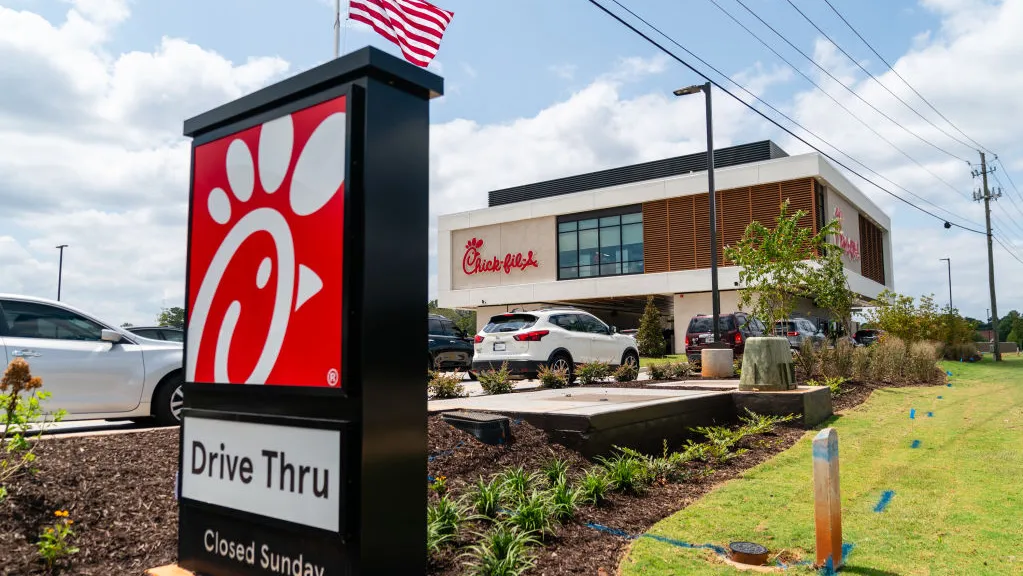
Chick-fil-A’s Reign in Fast Food Rankings Comes to an End
Cybersecarmor.com – For the first time in over a decade, the fast food landscape has shifted, with Chick-fil-A no longer holding the top spot in customer satisfaction. According to the American Customer Satisfaction Index (ACSI), the chain has been surpassed by Jersey Mike’s in the latest rankings, marking a significant change in consumer preferences. The ACSI, which evaluates restaurant performance based on thousands of customer feedback surveys, highlights how evolving tastes and expectations have reshaped the industry’s top performers.
A New Leader in Quick-Service Dining
The survey findings revealed that Jersey Mike’s secured the highest ACSI score in the fast food category, edging out Chick-fil-A by a narrow margin. With a score of 84 out of 100, the sandwich chain demonstrated strong performance in areas like freshness, food variety, and perceived value. This achievement came after a notable expansion in 2025, during which Jersey Mike’s added 238 new locations and reported sales exceeding $4.2 billion. These factors contributed to its rise as the most preferred quick-service option, even as broader industry challenges persisted.
“The U.S. restaurant industry faced difficulties in 2025, with total sales struggling to keep pace with inflation,” said the report. “In a market defined by trade-offs, customers are placing greater emphasis on consistency, reliability, and perceived value as opposed to just price. Brands that deliver a consistently enjoyable experience are gaining ground.”
The shift in rankings underscores a broader trend in consumer behavior, where satisfaction is increasingly tied to the overall experience rather than singular metrics. While Chick-fil-A remains a dominant force in the chicken category, its decline in the general fast food rankings suggests that other chains are closing the gap through innovative offerings and operational improvements.
Category-Specific Leaders in the Fast Food Sector
When breaking down the rankings by specific food types, Chick-fil-A retained its position as the top chicken chain, reflecting its continued appeal to fans of its signature sandwiches. However, in the sandwich category, Jersey Mike’s held firm as the leader, while Papa Johns and Pizza Hut shared the pizza crown. Starbucks emerged as the clear favorite in the coffee segment, and Burger King and Culver’s tied for the best burger options. Interestingly, McDonald’s, despite its long-standing presence, ranked seventh in burgers, highlighting the competitive pressure it now faces.
The report also noted that the coffee/bakery/cafe category saw unexpected results, with Dunkin’ and Panera Bread tied at 78 points. This outcome may surprise some, given the prominence of both brands in the market. Meanwhile, sit-down dining chains like Texas Roadhouse and LongHorn Steakhouse maintained their positions at the top of the list, despite a 1% to 2% point drop in their ACSI scores. Olive Garden followed closely behind with an 81, while other chains such as Applebee’s, Chili’s, and Cracker Barrel saw their scores fall into the high 70s.
“This year’s brand results show a compressed top tier while continuing to demonstrate America’s love of steak even as beef prices rise sharply,” said the report.
The ACSI rankings emphasize that customer satisfaction is influenced by a combination of factors, including the accuracy of orders, the quality of food and beverages, and the helpfulness of staff. These elements saw consistent improvements over the past year, with consumers reporting higher levels of confidence in their dining experiences. However, the quality of mobile app and website performance remained at the bottom of the rankings, though it showed incremental gains.
Advancements in Digital Dining Experiences
One of the most notable trends in the report was the progress made in digital ordering systems. The reliability of mobile apps, measured by minimal downtime and smoother user experiences, improved by 12% in 2026, rising from 78 to 87. Similarly, customer satisfaction with website quality increased by 4%, indicating a growing focus on enhancing the digital front of restaurant operations. These improvements align with the industry’s efforts to streamline carryout and delivery services, areas where consumers often encounter friction.
Brands that invested in user-friendly technology and robust digital infrastructure saw tangible benefits. For instance, the ability to place orders without errors or delays has become a critical differentiator in a market where convenience and speed are highly valued. As the report highlighted, “These improvements align with a broader industry push to reduce friction in carryout and digital ordering, an area where customers often ‘feel’ service failures most acutely when they may be paying more for delivery.”
Consumer Priorities and Industry Challenges
The report underscores that modern consumers are no longer satisfied with low prices alone. Instead, they prioritize consistency, reliability, and the overall value of their meals. This shift has allowed chains like Jersey Mike’s to rise in the rankings by offering a balance of quality and affordability. Meanwhile, the decline of Chick-fil-A’s top position suggests that even well-established brands must adapt to changing customer expectations.
Other factors contributing to the rankings include the sensory appeal of food, the efficiency of service, and the brand’s ability to maintain high standards across locations. While the ACSI focuses on recent experiences, it also captures long-term trends in customer loyalty. For example, the slight dip in scores for Texas Roadhouse and LongHorn Steakhouse indicates that while they remain strong in sit-down dining, competitors are pushing for innovation to sustain their positions.
Implications for the Fast Food Industry
The reordering of fast food rankings signals a pivotal moment for the sector. As inflation continues to impact pricing strategies, brands must find ways to justify their costs while delivering exceptional service. Jersey Mike’s success highlights the importance of menu diversity and fresh ingredients in attracting a wider audience, even in a market where customer budgets are tighter.
For chains like McDonald’s, the challenge lies in regaining lost ground. Ranking seventh in burgers, the fast food giant faces stiff competition from more agile rivals. However, its global brand recognition and extensive menu options still provide a strong foundation. The report’s findings suggest that while traditional favorites may still hold sway in niche categories, the overall fast food landscape is becoming more dynamic, with new players emerging and established ones needing to evolve.
Looking ahead, the industry’s focus on digital integration and operational efficiency will likely shape future rankings. As consumers increasingly rely on mobile apps and online platforms, brands that optimize these tools may see a rise in customer satisfaction. The ACSI’s latest data reinforces the idea that the path to success in fast food now hinges on a combination of quality, value, and seamless digital experiences.
A Broader Shift in Consumer Satisfaction
Despite the challenges of 2025, the report notes that satisfaction across the board has improved, particularly in key areas like food quality and staff interaction. This trend suggests that while inflation has dampened some aspects of the dining economy, brands that prioritize customer experience are still able to thrive. The rise of Jersey Mike’s and the sustained presence of others in their categories indicate that the fast food industry is entering a new era of competition and innovation.
As the rankings reflect, the customer-centric approach is no longer optional—it’s essential. The ACSI’s data serves as a reminder that in a market where choices abound, the brands that adapt to evolving preferences will determine the next chapter of fast food dominance. Whether through menu variety, digital convenience, or service excellence, the path to customer satisfaction is becoming more complex and rewarding for those who master it.