‘Goblintimacy’ is a dating trend that flips all the rules. Be careful.

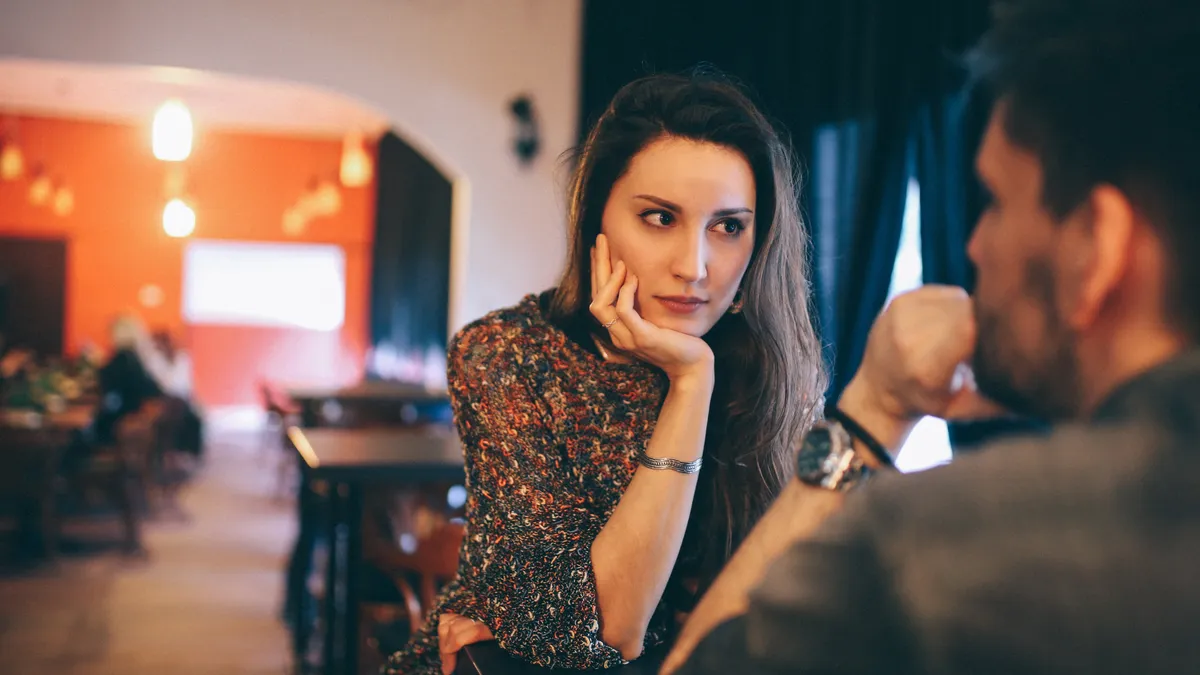
Goblintimacy: A Dating Trend That Redefines Authenticity
Cybersecarmor.com – Imagine stepping into a first date not as the polished, put-together version of yourself, but as someone who embraces their quirks, flaws, and imperfections with unapologetic honesty. This unconventional approach—dubbed “goblintimacy”—is gaining traction among daters who seek to break free from the pressure of curating a perfect image. While it may seem risky at first glance, the trend is rooted in a desire to connect with partners on a deeper, more genuine level.
Embracing the Goblin Within
Contrary to traditional dating norms, goblintimacy encourages individuals to reveal their authentic selves from the outset. This means showcasing vulnerabilities, sharing past experiences, and presenting a raw, unfiltered version of who they are. The term, which blends “goblin” with “intimacy,” has sparked both curiosity and debate in the dating world. For some, it represents a bold step toward self-acceptance; for others, it’s a challenge to the idea of maintaining a facade for romantic success.
“Goblintimacy is the dating cousin of ‘goblin mode,’” explains Amy Chan, a dating coach and author of “Unsingle: How to Date Smarter and Create Love that Lasts.” “It’s a rebellion against showing up on dates performing a curated version of who you think someone wants, and instead, showing up as your real, authentic, actual self—quirks, flaws, and imperfections included.”
Unlike “kittenfishing,” a term used to describe hiding one’s true self behind a facade, goblintimacy flips the script. It’s not about masking imperfections but embracing them as part of the initial impression. The goal, according to proponents, is to eliminate the uncertainty of whether a partner will eventually grow tired of the curated version of you.
The Case for Radical Honesty
With the rise of dating apps and artificial intelligence, some daters argue that authenticity has become more valuable than perfection. Damona Hoffman, a dating coach and author of “F the Fairy Tale: Rewrite the Dating Myths and Live Your Own Love Story,” notes that the trend reflects a growing fatigue with performative relationships. “People are really tired of artifice and fakery right now,” she says. “There’s a lot of questioning what is real and what is not. And there’s a fatigue around trying to play the game of dating.”
Hoffman suggests that goblintimacy stems from a desire to bypass the traditional dating playbook. “Daters have realized that the rules, the hacks, they don’t work universally,” she explains. “It’s much more about finding someone who sees the real and authentic you and is interested and attracted to that.” This mindset is especially appealing in an era where online profiles often prioritize aesthetic appeal over personality. By showing up as their true selves, daters aim to attract those who appreciate them beyond surface-level impressions.
Pros and Cons of the Goblintimacy Movement
While goblintimacy offers a refreshing alternative to the polished personas often seen on dating apps, it also comes with potential pitfalls. One of its greatest advantages is the ability to foster connection by removing layers of pretense. “Being yourself should not be confused with a low-effort, apathetic approach to dating,” Chan adds. “Showing up to a first date looking like you didn’t try isn’t goblintimacy. It’s just not caring and, quite frankly, disrespectful.”
However, the trend’s emphasis on upfront honesty can sometimes lead to oversharing or an overly critical view of oneself. “The problem with goblintimacy is that it takes something good—authenticity—and risks pushing it to a disrespectful extreme,” Hoffman warns. “Putting your best foot forward on a date isn’t being fake. It’s showing you care.” Yet, when authenticity is taken to an extreme, it can come across as dismissive. “Sometimes I’ll hear from daters this attitude of, ‘Well, I’m not going to try. I just want to be totally real, let it all hang out. If you don’t like me, then that’s your problem,’” Hoffman says. “That’s where the challenge lies.”
Related Trends and Their Impact
As goblintimacy gains popularity, it’s prompting discussions about other emerging dating terms, such as “Shrekking” and “Banksying.” “Shrekking” refers to a more laid-back, even humorous, approach to dating that prioritizes comfort over seriousness. Meanwhile, “Banksying” describes the phenomenon of people being baffled or heartbroken by the trend’s radical honesty. These terms highlight how dating culture is evolving, with a growing emphasis on self-expression and emotional transparency.
For those who have mastered the art of curating their profiles yet still feel unfulfilled, goblintimacy offers a new path. “If your goal is a long-term relationship, then yes, your partner will see the real you eventually,” Chan says. “But the key is to balance authenticity with effort. Being real doesn’t mean you’re lazy. It means you’re choosing to be vulnerable rather than hiding behind a mask.”
A Balancing Act Between Real and Relatable
Experts caution that goblintimacy isn’t a one-size-fits-all solution. “There’s a fine line between authenticity and oversharing,” Hoffman notes. “You still have to present yourself in a way where the other person feels like you care.” This balance is crucial because while transparency builds trust, excessive self-disclosure can overwhelm a partner or create unrealistic expectations.
Moreover, the trend raises questions about how people perceive each other. “If you’re dating a goblin, does that mean you’re dating someone who is inherently flawed or someone who is unfiltered?” Hoffman asks. “It’s a matter of perspective. Some people see it as a sign of courage, while others view it as a lack of effort.” The success of goblintimacy depends on how well individuals can communicate their intentions and maintain a sense of respect for their partners.
Why Goblintimacy Matters
At its core, goblintimacy is about rejecting the notion that love must be earned through performance. It challenges the idea that people need to be flawless to be desirable. Instead, it positions imperfection as a strength, suggesting that true connection is built on mutual understanding rather than superficial attraction.
“The trend reflects a shift in how we view relationships,” Chan says. “It’s not just about finding the perfect match, but about being willing to show up as your true self, even if it means being a little too real for comfort.” This approach can be particularly empowering for individuals who have felt marginalized by traditional dating norms, offering them a sense of freedom and authenticity.
However, it’s also a test of patience and emotional intelligence. “Not everyone is ready to embrace the goblin,” Hoffman says. “Some may feel intimidated by the rawness of it, while others might misinterpret it as a lack of effort.” The trend is likely to resonate most with those who value honesty and are willing to invest in the emotional labor of being genuine.
In a world where dating has become increasingly transactional, goblintimacy serves as a reminder that relationships should be rooted in authenticity. It’s a call to action for daters to stop hiding behind curated personas and instead focus on building connections that are meaningful and lasting. As the trend continues to grow, it may redefine how we approach love, encouraging us to embrace our true selves—even if that means showing up as a goblin.
Whether you see it as a revolutionary approach or a chaotic experiment, goblintimacy is here to stay. It’s a reflection of a generation that’s tired of playing the dating game by the book and ready to try something new. So, the next time you’re planning a date, ask yourself: Are you ready to let your inner goblin out?