A triple negative breast cancer diagnosis, and the queer affirmation that kept her going

A Triple Negative Breast Cancer Diagnosis, and the Queer Affirmation That Kept Her Going
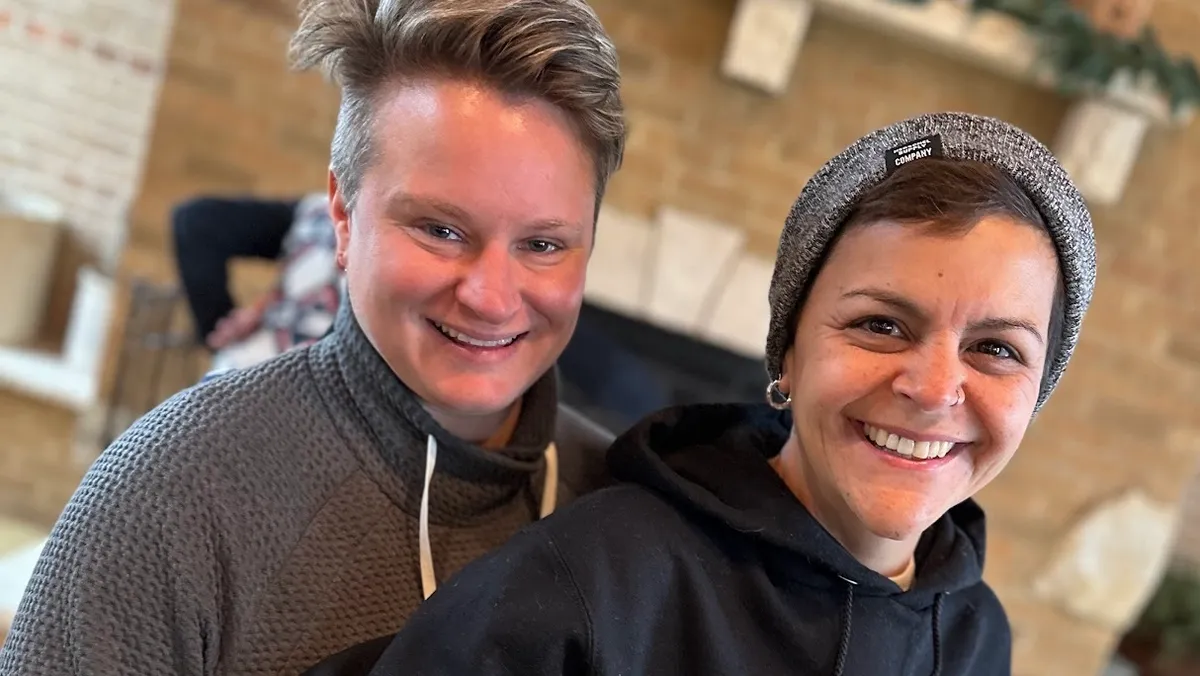
Cybersecarmor.com – Alix Shulman’s life in Chicago’s suburbs has always revolved around stability and comfort. Living with her wife, Lisa, she found solace in their home, which featured a sprawling backyard for their dogs and a finished basement that offered a sense of security. Decades ago, a devastating tornado had swept through their town, and the basement became a symbol of their preparedness for life’s unpredictable challenges. But the greatest trial of all would come not from nature, but from within.
At 49, Shulman received a diagnosis that would upend her world: stage 3 IIB triple negative breast cancer. The news was a stark contrast to the calm she had once associated with her home. After years of battling the disease, she completed 16 rounds of chemotherapy and a bilateral mastectomy, emerging cancer-free four years later. Her journey, however, was not just about medical procedures—it was a testament to the power of a supportive community that embraced her identity.
The Role of Queer Affirmation in Healing
Shulman credits her recovery to the consistent affirmation of her queer identity by those around her. From the moment she began treatment, her medical team and loved ones made her feel seen and accepted. “It wasn’t just about me as the patient,” she explains, “and that’s really important for the queer community, because oftentimes your partner is sitting to the side just listening.” Her words highlight a deeper truth: for many LGBTQ+ individuals, their healthcare experience is intertwined with the comfort of being recognized for who they are.
“My surgeon was fabulous. I would recommend her and my oncologist to anybody in the queer community, because I think not only were they kind and considerate, they made us feel very welcome in a non-judgmental environment.”
Shulman’s journey began with a routine visit to her doctor, who noticed subtle changes in her body. A persistent soreness in her left breast and a pink rash that appeared without warning led to a diagnostic mammogram and ultrasound. “I had a feeling something was going on, because they kept taking more pictures,” she recalls. “And then the same thing happened with the ultrasound.” The results were definitive: triple negative breast cancer, a type known for its aggressive nature and limited treatment options.
Overcoming Challenges in a Polarized World
Despite the political divisions that often shape healthcare in the U.S., Shulman found a beacon of inclusivity in her medical providers. “She was like a blessing,” she says of her surgeon. “She brought the fun in, which I know most people are going to think, ‘well, how can she really do that during a cancer diagnosis?’ And she just walked in and was like, ‘All right, so you’ve got cancer. What are we doing?’” This approach to care, blending empathy with efficiency, became a cornerstone of her treatment.
Her first chemotherapy infusion started on March 19, a date that marked the beginning of a grueling year. The U.S. Food and Drug Administration had recently approved Keytruda, an immunotherapy drug, which she incorporated into her regimen. Alongside chemo, she faced additional hurdles: shingles, folliculitis, and even a bout with COVID-19. Yet, each challenge was met with resilience, and the culmination of her efforts was a certificate of completion, proudly displayed in a frame.
From Diagnosis to Recovery: A Story of Resilience
Shulman’s story is not unique in its medical complexity, but it is rare in its emotional clarity. “I work from home, and sometimes people will be like, ‘Oh, is that your college degree?’ And I’m like, No, that’s me completing chemo,” she laughs, capturing the bittersweet irony of her survival. Her journey through breast cancer, though physically demanding, also transformed her understanding of life’s fragility and strength.
The diagnosis arrived on Valentine’s Day, a day that often symbolizes love and hope. For Shulman, it was a reminder that her partnership with Lisa had always been a source of strength. “She is very hard-shelled on the outside, but deep down in her heart, she’s very caring, very loving, very supportive and very understanding,” Shulman says. This description of her wife reflects the foundation of their relationship, which proved vital during her darkest days.
Shulman’s recovery also brought new challenges. Menopause, a natural transition, added a layer of complexity to her post-treatment life. Depression lingered after her treatments ended, a common experience for cancer survivors. “Patients are often left with what I call the new normal,” notes Dr. Justin Schweitzer, medical director of LGBTQ+ health and primary care at Cooper University Health Care. “Their life may be dramatically different than what it was like before surgery or before cancer treatment.” Schweitzer’s insight underscores the psychological shift that accompanies physical healing.
A Larger Picture: LGBTQ+ Health Disparities
Shulman’s experience is part of a broader trend in healthcare. According to the American Cancer Society, in 2024, approximately 160,000 new cancer cases were estimated, with nearly 50,000 LGBTQ+ individuals losing their lives to the disease. Research from the National LGBT Cancer Network and Seminars in Oncology Nursing reveals that LGBTQ+ people may face higher cancer risks and greater barriers to timely screenings compared to their heterosexual and cisgender peers.
Dr. Schweitzer emphasizes that healthcare systems are increasingly aware of these disparities. “Even in a politically polarized society, a lot of healthcare systems seem to be remaining committed to fostering LGBTQ+ knowledge and education,” he says. “Because they know that queer people aren’t going anywhere.” This commitment is reflected in the support Shulman received, which not only eased her journey but also validated her identity during a time of vulnerability.
Sharing the Light: A Legacy of Support
Now in the aftermath of her battle, Shulman channels her experience into helping others. She actively participates in support groups and therapy, taking charge of her mental health with the same determination that carried her through chemotherapy. Her empathy extends beyond her own story, as she seeks to uplift those who are facing similar trials.
One moment stands out: spotting a woman at a salon whose hair was growing back after treatment. “I just said, ‘your hair looks really great. You look beautiful,’” Shulman recalls. “And she said, ‘I knew you knew.’” This interaction exemplifies the ripple effect of her resilience—turning her personal triumph into a shared celebration of survival.
Shulman’s advocacy is rooted in the belief that support matters. “I think it’s important to support other people,” she adds. “Because they may be in the same position of depression, of anger, of a ‘why me?’ And I think that’s really important, just to support people out there, whether they’re in the queer community or not.” Her words carry a message of solidarity, reminding others that no one has to walk their path alone.
For Alix Shulman, the road to recovery has been both challenging and transformative. Her story highlights the critical role of queer-affirming care in overcoming illness, as well as the enduring power of community in the face of adversity. As she continues to thrive, her journey serves as a beacon of hope for others navigating the complexities of health, identity, and resilience.