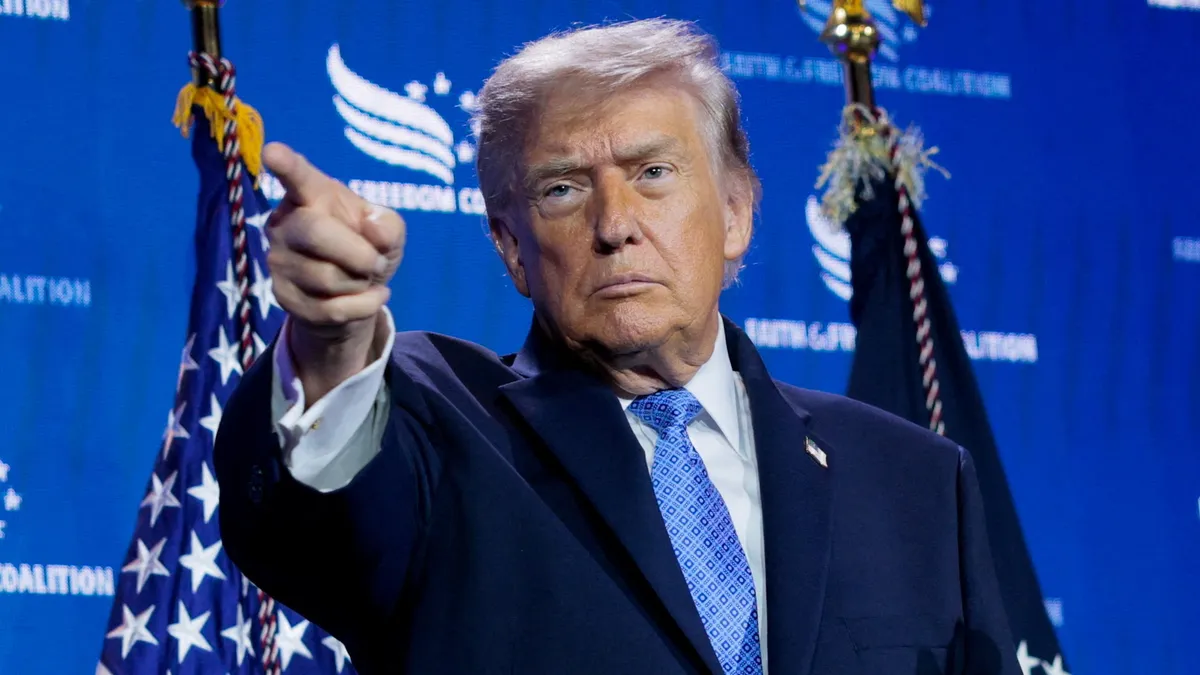
Is a peace deal close? Trump and Iran say a deal is within reach.

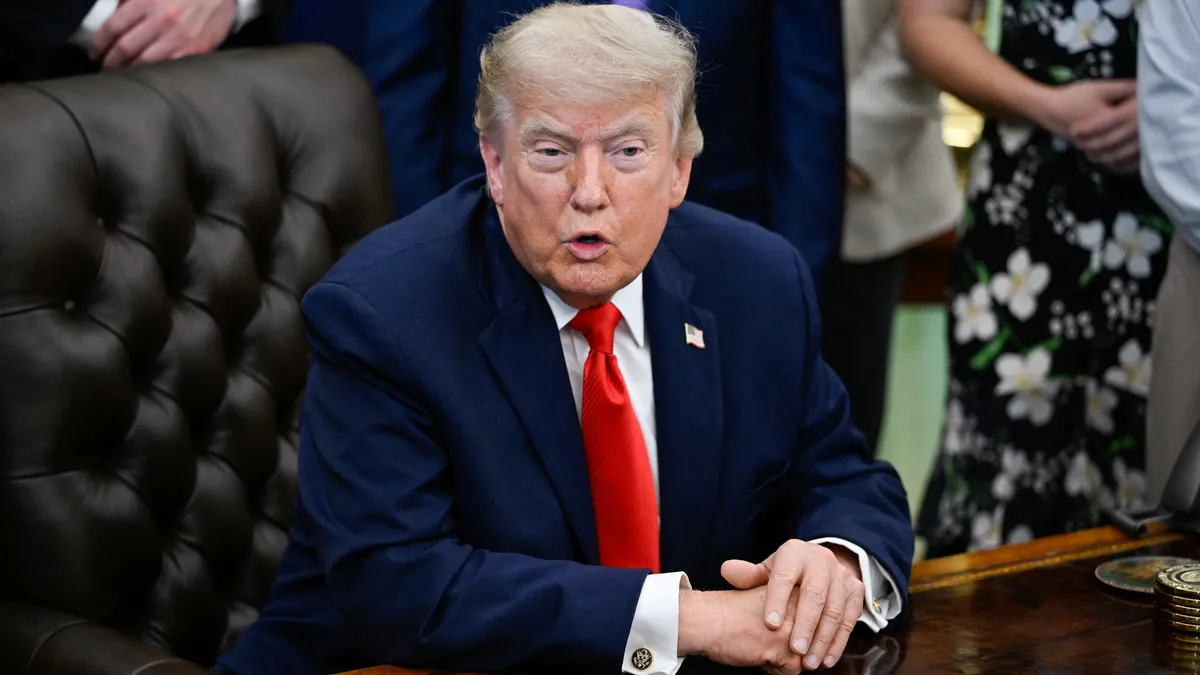
Peace Talks with Iran Edge Closer as Trump Signals Agreement in Sight
Cybersecarmor.com – President Donald Trump has hinted that a significant breakthrough in negotiations with Iran may be imminent, suggesting the two nations could finalize a peace deal by the weekend. This development comes amid heightened regional tensions following a series of military strikes that have raised concerns about a potential full-scale conflict. Trump’s optimistic remarks have sparked renewed hope that a long-simmering dispute might soon be resolved, though challenges remain before a formal agreement is reached.
Recent Strikes Intensify Regional Uncertainty
Iran’s recent military actions, including targeted strikes on U.S. facilities in the region, have escalated fears of war. These attacks, carried out in response to U.S. sanctions and perceived threats to Iran’s national security, have drawn sharp criticism from global allies. However, Trump has downplayed the immediate risk, stating that the strikes have not derailed the ongoing peace process. “We’re very close to a deal that will prevent further conflict and stabilize the region,” he said in a recent press briefing.
“After weeks of tense discussions, we’ve made substantial progress. The agreement is within reach, and the final steps are being finalized this week.”
Trump’s confidence is rooted in his belief that Iran’s leadership is willing to compromise on key issues, such as its nuclear program and regional influence. The president has emphasized that the deal would address Iran’s demand for economic relief while ensuring its nuclear activities remain under international oversight. “Iran has agreed to reduce its missile arsenal and limit enrichment to a specific level, which is a major concession,” he added.
Iran’s Position: A Balance of Concessions and Conditions
Iran’s representatives have echoed Trump’s optimism, though they stress that the agreement must meet certain conditions. “Our people are ready to negotiate, but the terms must reflect our national interests,” stated a senior Iranian official in a statement released earlier this week. The country has long sought to alleviate economic sanctions imposed by the U.S., which have severely impacted its oil exports and international trade.
“Our leadership believes that a deal can restore stability and open new opportunities for cooperation. It’s a win-win scenario for both sides,” the official said.
The talks have centered on Iran’s nuclear program, with the U.S. pushing for stricter limitations on its enrichment capabilities. In exchange, Iran expects relief from sanctions and recognition of its right to develop nuclear technology for peaceful purposes. Analysts note that both parties have shown flexibility, though disagreements over the pace of implementation and the scope of commitments persist.
Historical Context and Strategic Shifts
Peace talks between the U.S. and Iran are not new, but the current negotiations carry greater urgency. Since the 2015 Joint Comprehensive Plan of Action (JCPOA), which limited Iran’s nuclear program in exchange for sanctions relief, relations have fluctuated. Trump, who has criticized the JCPOA as too lenient, aims to renegotiate terms that align more closely with American priorities.
The administration’s approach has focused on addressing Iran’s ballistic missile program and its support for groups like Hezbollah and Hamas. These factors have been central to the U.S. strategy of applying pressure to achieve a more robust agreement. “We’ve been able to make Iran understand that cooperation is in their best interest,” Trump claimed in a recent speech.
Key Issues and Remaining Hurdles
While the weekend deadline for a deal has been raised, several hurdles remain. One major point of contention is the timeline for Iran’s compliance with nuclear restrictions. The U.S. wants immediate action, whereas Iran has requested a phased approach. Additionally, the issue of sanctions relief has proven complex, with lawmakers debating the extent of concessions.
“Sanctions are a powerful tool, and we’ve made sure Iran knows that they must meet their commitments before we lift them,” a White House spokesperson said.
Another critical factor is the role of international partners. While the U.S. has taken a leading role in the negotiations, the involvement of European allies and other regional actors has been essential. “The deal must have broad support to ensure its sustainability,” noted a European diplomat. However, disagreements over the distribution of economic benefits and security guarantees have delayed consensus.
Regional Implications and Long-Term Outlook
A successful peace deal could have far-reaching consequences for the Middle East. Analysts suggest that it would reduce the likelihood of a broader conflict involving Israel, Saudi Arabia, and other Gulf states. “Stabilizing the U.S.-Iran relationship is crucial for regional security,” said a Middle East policy expert.
Yet, the deal’s success hinges on its ability to address long-standing grievances. For Iran, the agreement must be seen as a fair resolution to its nuclear ambitions and a promise of economic recovery. For the U.S., it must serve as a deterrent against further aggression and a framework for future cooperation. “This is not just about the nuclear program—it’s about trust and long-term stability,” Trump reiterated.
As the deadline approaches, both sides are intensifying their efforts to finalize terms. Diplomats from the U.S. and Iran have been meeting in secret, with reports indicating that they are close to a consensus. “We’ve been working around the clock to ensure the deal is signed by Saturday,” a State Department official confirmed.
Despite the optimism, some experts caution that the deal may require adjustments. “Iran may still demand additional concessions, and the U.S. must be prepared to meet them,” said a political analyst. The outcome of these negotiations will likely shape the region’s future for years to come, offering either a path to peace or a new phase of hostilities.
With the clock ticking, the world watches closely as Trump and Iran’s representatives strive to bridge their differences. The success of this endeavor could mark a turning point in a complex geopolitical landscape, bringing an end to years of tension and setting the stage for a new era of diplomacy.