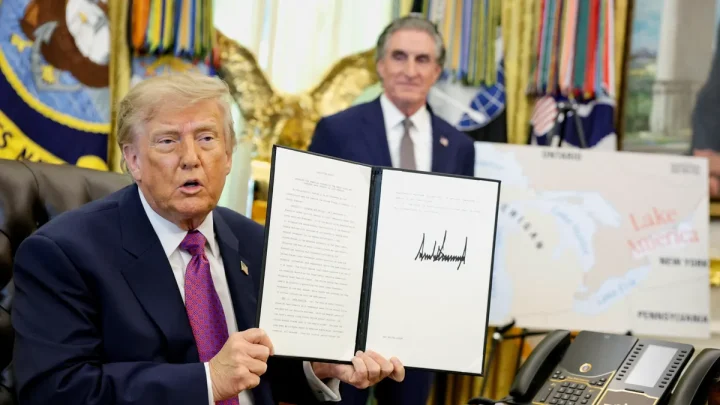
Rising prices, plunging ratings, lingering war: Trump’s dinner plate is full

Daftar Isi
Trump’s foreign policy focus collides with voter concerns over rising costs
Cybersecarmor.com – WASHINGTON — President Donald Trump spent much of September on high-profile foreign policy, from meetings with Chinese President Xi Jinping to speeches about Iran and Cuba. Yet as the Nov. 3 midterm elections approach, many voters remain focused on a more immediate issue: the cost of everyday life.
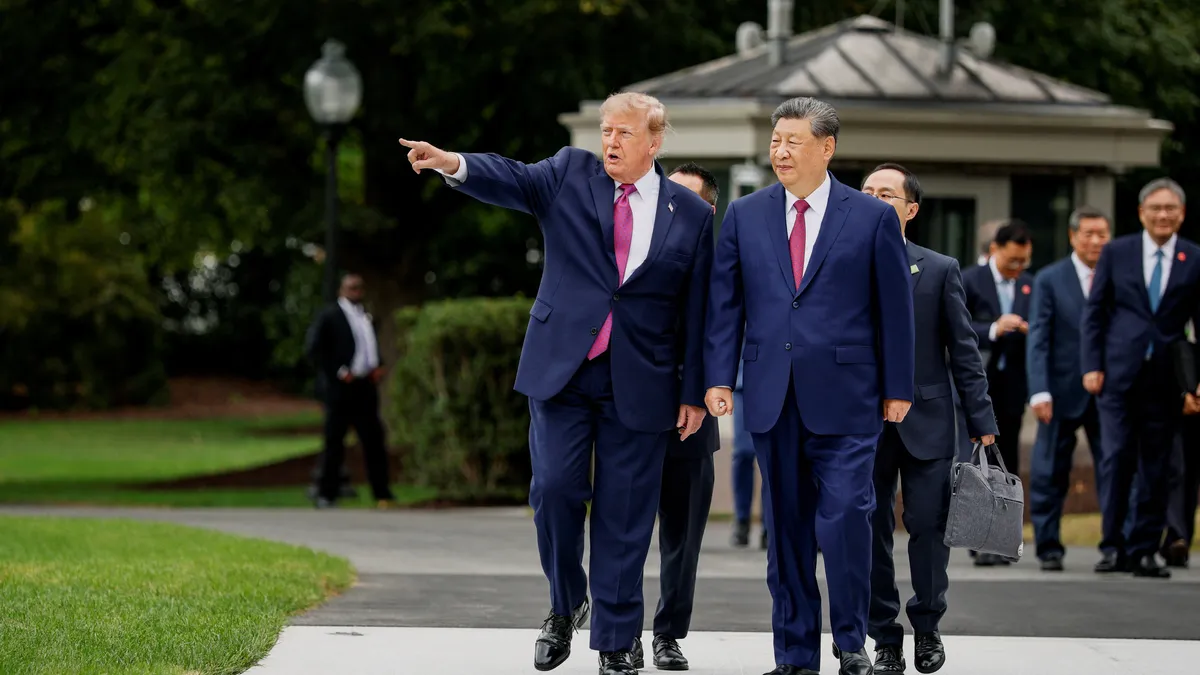
Trump welcomed Xi to Washington for a three-day visit that featured a red-carpet reception, a National Archives tour and a formal state dinner. The menu included yellow squash velouté and sesame-crusted sea bass, underscoring the ceremonial nature of the gathering between the leaders of the world’s two largest economies and military powers.
The hospitality drew sharp criticism from Mississippi Sen. Roger Wicker, the Republican chairman of the Senate Armed Services Committee. Wicker said the White House should have taken a tougher posture toward China given disputes involving security, Taiwan, Iran and Chinese actions in the South China Sea.
“Quite frankly, had the White House asked me for advice, I would have suggested the president not invite Xi Jinping to Washington for such a lavish welcome here in the United States of America based on all of the troubling issues we have with President Xi and the Chinese Communist Party,”
Wicker’s objection reflects a broader strain inside the Republican Party. While Trump remains central to GOP campaign efforts, a growing number of Republican officials and candidates have publicly separated themselves from parts of his agenda, especially the Iran war and its economic consequences.
Campaign season begins with attention overseas
Trump has promised an active campaign schedule during the final month before Election Day, targeting roughly three dozen competitive contests. Those races include states often viewed as reliably Republican, such as Alaska and Texas. At a Sept. 2 Rose Garden dinner with Republicans, Trump portrayed himself as capable of lifting struggling candidates.
“In some cases, you can be losing by a lot and we’ll bring you over the line,”
Since Labor Day, however, the president’s public calendar has been weighted toward international events. He traveled to Ireland on Sept. 12 and 13 for meetings with the prime minister and a golf tournament. At the United Nations on Sept. 22, he warned that Iran could be “annihilate[d]” and forecast the downfall of Cuba’s government.
Trump’s time with Xi followed that same pattern. Their discussions included technology, security and artificial intelligence. After their Sept. 24 meeting, Trump described it as productive but provided few specifics.
“As the leaders of our two nations, President Xi and I both understand that we represent different systems, but the ties between our people endure, and we’ve never gotten along better,”
The following day, while hosting Xi for tea in the White House Red Room, Trump said the talks would have benefits for both countries and for farmers.
“A lot of very positive things happened,”
“Great things for both countries. It’s been just very, very productive.”
Wicker argued that a meeting at that level should be used to force answers from Beijing. He urged Trump to question Xi about possible Chinese satellite support for Iran that may have contributed to the deaths of U.S. service members, the harassment of Filipino fishermen and China’s position toward Taiwan.
He framed the concern in unusually vivid terms, saying the pressure should continue even as the formal dinner proceeded.
“while the servers are switching from chardonnay to cabernet at the fancy state dinner.”
Economy remains a political pressure point
Trump’s supporters argue that direct engagement with China is necessary, especially when military and economic tensions affect global stability. Secretary of State Marco Rubio defended the Xi meetings at the United Nations General Assembly on Sept. 23, calling senior-level contact essential.
“The idea that we would not interact with them at the highest levels is irresponsible,”
“It’s outrageous.”
For many Americans, though, foreign policy may be evaluated through its effects at home. High gasoline prices and record diesel costs have become a visible reminder of the economic burden associated with the Iran conflict. Some Republican candidates have responded by calling for an end to the war or removing mentions of Trump’s endorsement from their campaign websites.
John Pitney Jr., a politics professor at Claremont McKenna College, said presidents are expected to manage international affairs. The risk for Trump is the message voters hear when overseas priorities appear disconnected from household financial pressures.
“In May, he said he was focused on Iran and didn’t care ‘even a little bit’ about the war’s economic impact,”
“That hurts. The war itself hurts. People get a reminder of the cost every time they drive past a gas station.”
Trump has maintained that economic pain is justified if it prevents Iran from obtaining a nuclear weapon. He has also predicted that oil prices would decline quickly once the war is over. During his National Archives visit with Xi on Sept. 25, Trump said the two leaders had discussed the Iran war.
The political stakes are growing as the midterms draw nearer. A Reuters/Ipsos survey of 1,277 adults nationwide, released Sept. 21, placed Trump’s approval rating at 32%, the lowest of his political career. Only 17% of respondents approved of his handling of living costs, while the survey identified cost of living as the public’s leading concern.
That gap may define the final weeks of the campaign. Trump is seeking to show leadership through diplomacy, military policy and meetings with world leaders. Voters confronting fuel prices, grocery bills and other household expenses may instead measure his presidency by what it costs to fill a tank or balance a monthly budget.
Related Reading
Frequently Asked Questions
What is Rising prices plunging ratings lingering war?
Rising prices plunging ratings lingering war is the main topic of this guide. The article explains the context, practical details, and next steps readers should understand.
Why does Rising prices plunging ratings lingering war matter?
Rising prices plunging ratings lingering war matters because readers are looking for a useful answer, not just a short summary. Good content should match search intent and help them decide what to do next.