Why high gas prices are not a ‘small price to pay’ as Trump says

Daftar Isi
Gas Prices Near $4.50 Put Added Pressure on Household Budgets
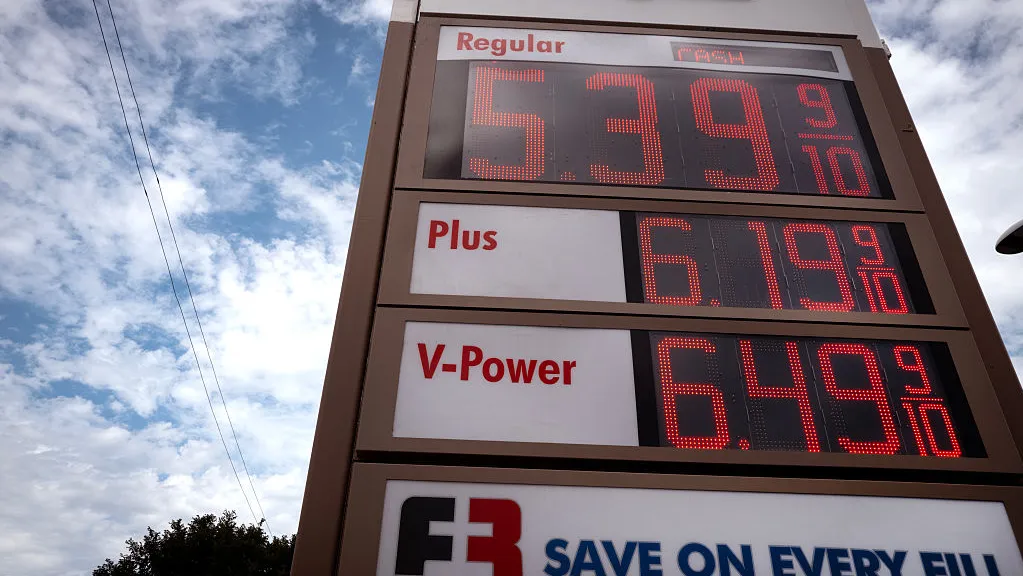
Cybersecarmor.com – Americans are confronting a much steeper bill at the gas pump as the national average reaches $4.46 per gallon on Friday, Sept. 18. That figure has risen from $4.29 a week earlier and stands far above the $3.20 national average recorded on the same date in 2025.
President Donald Trump has argued that the increase is justified by the continuing war with Iran, framing the financial impact as temporary and manageable. For many drivers, however, gasoline is not an optional expense. Higher fuel costs can quickly affect commuting, family travel, deliveries, and the broader household budget.
At a Sept. 16 rally in Gastonia, North Carolina, Trump brushed aside concerns over the increase and predicted prices would eventually fall.
“It’s a very inexpensive price to pay for what we’ve done. Remember that. It’s a little more. Frankly, even if it was a lot more,” he said. “But that’s going to come tumbling down.”
Fuel costs affect more than a single fill-up
Transportation already represents one of the larger routine expenses for American households. U.S. Bureau of Labor Statistics figures show that, by the end of 2024, Americans spent an average of $13,318 annually on transportation, or roughly $1,110 per month. That category accounted for 17% of total consumer spending.
Gasoline is only one component of transportation spending, alongside vehicle payments, maintenance, insurance, public transit, and repairs. But fuel prices are especially visible because drivers experience them repeatedly, often several times each month. A jump of more than a dollar per gallon can create a meaningful change in monthly spending for people who rely on their vehicles for work, school, caregiving, or daily errands.
At the beginning of 2026, GasBuddy projected an annual nationwide average of $2.97 per gallon, below the 2025 average of $3.12. Its forecast estimated that households would spend $2,083 on gasoline during the year.
Those expectations changed after the conflict with Iran began. On Feb. 28, when the United States launched its first military strikes against Iran, the AAA national average was $2.98 per gallon. U.S. Energy Information Administration data show that the weekly national average has not dropped below $3.50 per gallon since the week of March 16.
What the current average means for workers
The difference between the early-year forecast and today’s national average is substantial. GasBuddy’s calculation places annual gasoline spending at $3,182 per household if the $4.46 average holds, more than $1,000 above the original projection.
For perspective, the Bureau of Labor Statistics put the average weekly earnings of full-time U.S. workers in 2025 at $1,204, equal to about $62,608 annually. An additional four-figure fuel expense can absorb money otherwise used for groceries, savings, rent, debt payments, childcare, or other necessities.
Public polling illustrates why the issue has remained politically potent. A Gallup survey conducted in June 2026 found that 67% of respondents said higher gasoline prices had produced financial hardship. A separate April poll conducted by ABC News, The Washington Post, and Ipsos found that 44% of more than 2,000 U.S. adults had reduced their driving because of elevated pump prices.
Drivers who cannot reduce their mileage may have fewer ways to offset the increase. That can include workers with long commutes, residents of areas with limited public transportation, and families whose routines require frequent trips. Even motorists able to consolidate errands or delay discretionary travel may still face unavoidable trips to jobs, medical appointments, and schools.
Administration efforts have had limited reach
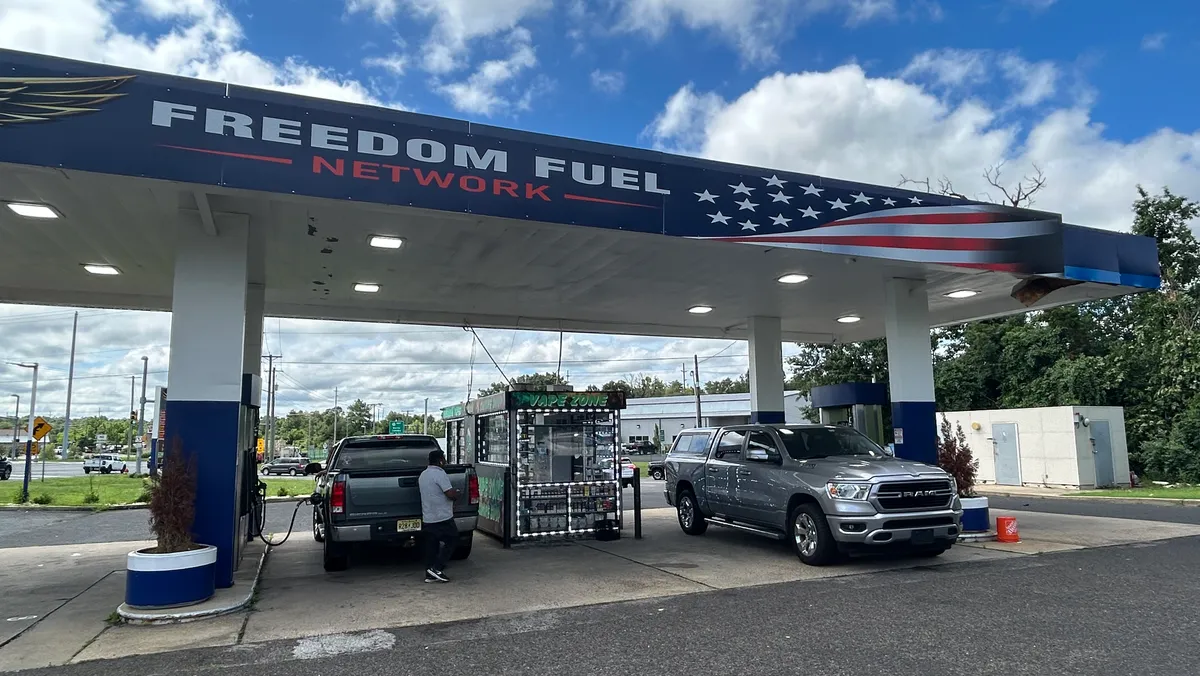
The Trump administration has pursued several steps aimed at easing voter frustration over fuel costs. In July, the White House promoted the opening of 25 Freedom Fuel stations in the Northeast, with gasoline advertised at $3.47 per gallon.
The locations were concentrated in Pennsylvania and New Jersey, limiting their geographic reach. Prices in those states remained well above that promotional level later in the year: Pennsylvania’s average stood at $4.52 per gallon on Sept. 18, while New Jersey’s average was $4.43 on Sept. 10.
Trump has also urged gasoline retailers to cut prices, accusing them of charging excessively as crude oil prices began declining. Retail prices, though, can be influenced by more than the daily cost of a barrel of oil. Refining capacity, fuel inventories, transportation costs, regional supply conditions, seasonal gasoline blends, taxes, and international disruptions can all shape what drivers pay locally.
Another administration priority has been legislation allowing year-round sales of E15, a gasoline blend containing 15% ethanol. In an updated 2026 budget request delivered to Congress on June 24, the White House sought a law establishing permanent, year-round E15 availability. The administration described the proposal as a way to broaden consumer options, bolster domestic fuel output, and give fuel markets more flexibility.
Relief may remain uncertain
Seasonal changes normally bring less expensive winter-blend gasoline to many parts of the country, but the Middle East conflict continues to cloud the outlook. Patrick De Haan, GasBuddy’s head of petroleum analysis, said geopolitical developments could outweigh the usual seasonal price relief.
“While most of the country transitions to cheaper winter-blend gasoline this week, the scale of ongoing geopolitical escalations makes meaningful price relief unlikely in the near term,” De Haan wrote. “Motorists should brace for continued volatility ahead.”
That uncertainty helps explain why a national average can feel far more consequential than a political talking point. A price at the pump may move from day to day, but its effect accumulates over weeks and months. For households already balancing transportation against other essential costs, the difference between the year’s early forecast and current prices is far from small.
Related Reading
Frequently Asked Questions
What is Why high gas prices are not?
Why high gas prices are not is the main topic of this guide. The article explains the context, practical details, and next steps readers should understand.
Why does Why high gas prices are not matter?
Why high gas prices are not matters because readers are looking for a useful answer, not just a short summary. Good content should match search intent and help them decide what to do next.