Mitch McConnell returns to Senate after long absence

Daftar Isi
McConnell Resumes Senate Duties After Months Away From Washington
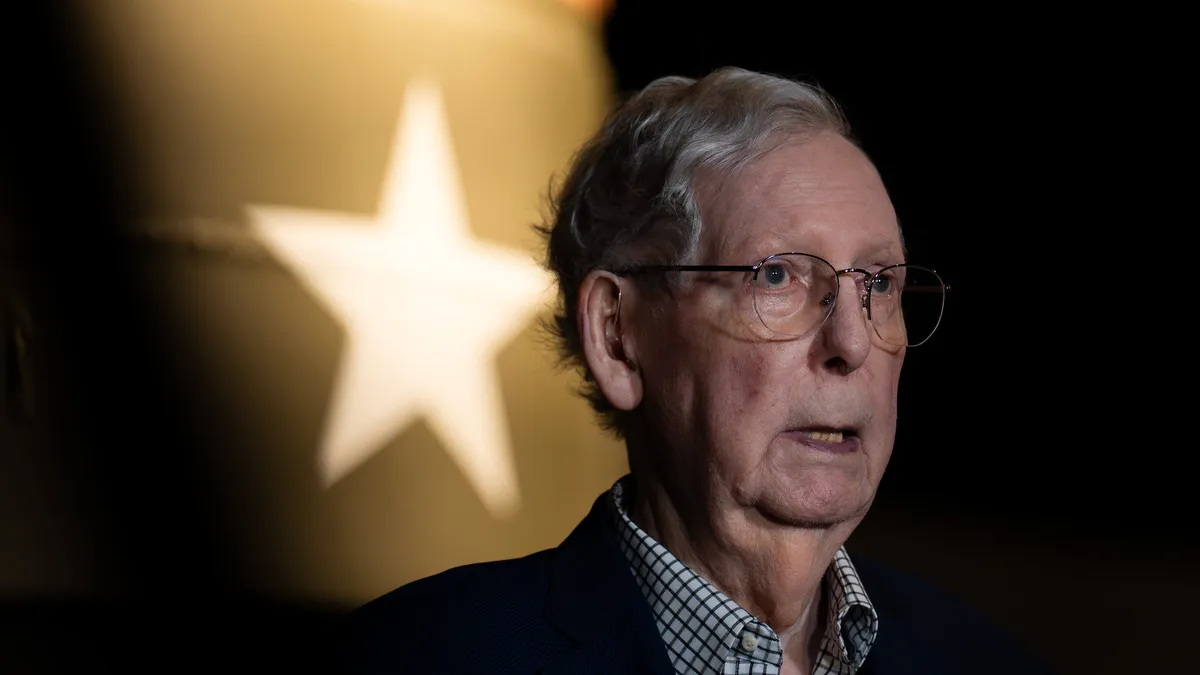
Cybersecarmor.com – Sen. Mitch McConnell returned to the Senate on Sept. 14, ending a lengthy absence that had prompted questions across Washington and Kentucky about the 84-year-old Republican’s health and ability to continue serving.
The Kentucky senator came back to Capitol Hill as lawmakers reconvened following a five-week recess. His return was expected to give Republicans another vote in a closely divided chamber, where the party holds 53 seats and has little room for internal disagreement when pursuing President Donald Trump’s agenda.
“Today, I’ll cast my first Senate vote since I took a bad fall back in June. I’m really looking forward to being back on the Senate floor and seeing my colleagues,” McConnell said in a statement.
McConnell said his recovery has been difficult and remains unfinished. The seven-term senator also pointed to the continuing effects of childhood polio as a factor that has complicated his rehabilitation.
“My recovery has been a long and often frustrating process, and the lingering effects of childhood polio haven’t made it any easier. I’m still not quite back to 100%, but I’ve assured (Senate Majority Leader John Thune) that, as I continue with physical therapy on the advice of my doctors, I will do my best to be present for tough votes when our Conference needs me,” he added.
A Return With Political Consequences
McConnell’s absence began after a June fall and stretched through much of the summer. Although he no longer leads Senate Republicans, his vote still matters in a chamber where a few defections can alter the outcome of legislation, nominations and procedural votes.
Senate Majority Leader John Thune of South Dakota succeeded McConnell in January 2025. McConnell’s reappearance gives Thune a more complete conference as senators return to legislative business, while also renewing attention on the practical demands faced by longtime lawmakers whose health affects both their personal lives and the balance of power in Congress.
For Republicans, the math remains especially important. A 53-seat majority can look comfortable on paper, but it may narrow quickly when members are absent or disagree over major policy proposals. McConnell’s stated intention to be available for difficult votes signals that he expects to remain involved even as he continues physical therapy.
His return does not mean his recovery is complete. McConnell made clear that he has not returned to full strength, and his statement left open the possibility that his attendance could depend on his medical condition and his doctors’ guidance.
What Happened During His Absence
McConnell told constituents in a July 12 statement that he had been “briefly unconscious” after the fall and was hospitalized. Emergency dispatch recordings from June 14 involved calls to an address publicly listed as his Washington residence shortly before 9 a.m. The recordings indicated that someone at the location was unconscious, while another call placed minutes later described a person in cardiac arrest.
Details about McConnell’s condition remained limited for much of the summer. On Aug. 6, he announced that he had left a rehabilitation center and would continue recovering at his Washington home.
The lack of fuller public information became a point of controversy. McConnell’s office faced pressure to explain more about his health, while the episode also highlighted a recurring question in American politics: how much medical information elected officials should disclose when their capacity to perform public responsibilities is under scrutiny.
Lawmakers, like other citizens, retain legitimate interests in medical privacy. At the same time, senators hold offices with direct consequences for legislation and representation. Extended absences can leave constituents uncertain about who is participating in key decisions, particularly when the Senate is narrowly divided.
End of a Long Senate Career Approaches
McConnell’s return comes as his four-decade Senate career moves toward its final chapter. He announced in February that he would not seek another term. His current term will end after the upcoming election cycle, setting the stage for a transition in Kentucky’s congressional delegation.
Rep. Andy Barr, also a Republican, is expected to win a full six-year Senate term in November and likely succeed McConnell. The expected handoff would end McConnell’s tenure as one of the most influential figures in modern Senate Republican politics.
McConnell had already relinquished his leadership post before his injury. His departure from the top Senate Republican role marked the end of a lengthy period in which he shaped party strategy, judicial confirmation battles and the chamber’s legislative priorities. Thune now carries the leadership responsibilities, but McConnell remains a consequential voice and a needed vote within the Republican conference.
Kentucky Gov. Andy Beshear, a Democrat seen as a possible 2028 presidential contender, repeatedly criticized McConnell and his staff for providing limited updates during the senator’s absence. Beshear at one point said McConnell should resign if more detailed information was not shared.
With McConnell back in Washington, the immediate question shifts from when he will return to how regularly he can participate. His own statement offered a measured answer: he plans to continue treatment, follow medical advice and appear when consequential Senate votes require his presence.
For now, his return restores a familiar figure to the Senate floor while leaving broader questions about health, transparency and public service unresolved. McConnell’s recovery will continue alongside the Senate’s work, and his attendance may remain closely watched as Congress confronts the next round of difficult votes.
Related Reading
Frequently Asked Questions
What is Mitch McConnell returns to Senate after?
Mitch McConnell returns to Senate after is the main topic of this guide. The article explains the context, practical details, and next steps readers should understand.
Why does Mitch McConnell returns to Senate after matter?
Mitch McConnell returns to Senate after matters because readers are looking for a useful answer, not just a short summary. Good content should match search intent and help them decide what to do next.