Will Congress pass Trump’s $5,000 dividends? Johnson says GOP will ‘try’

Daftar Isi
Johnson signals GOP interest in Trump’s proposed $5,000 adult payments
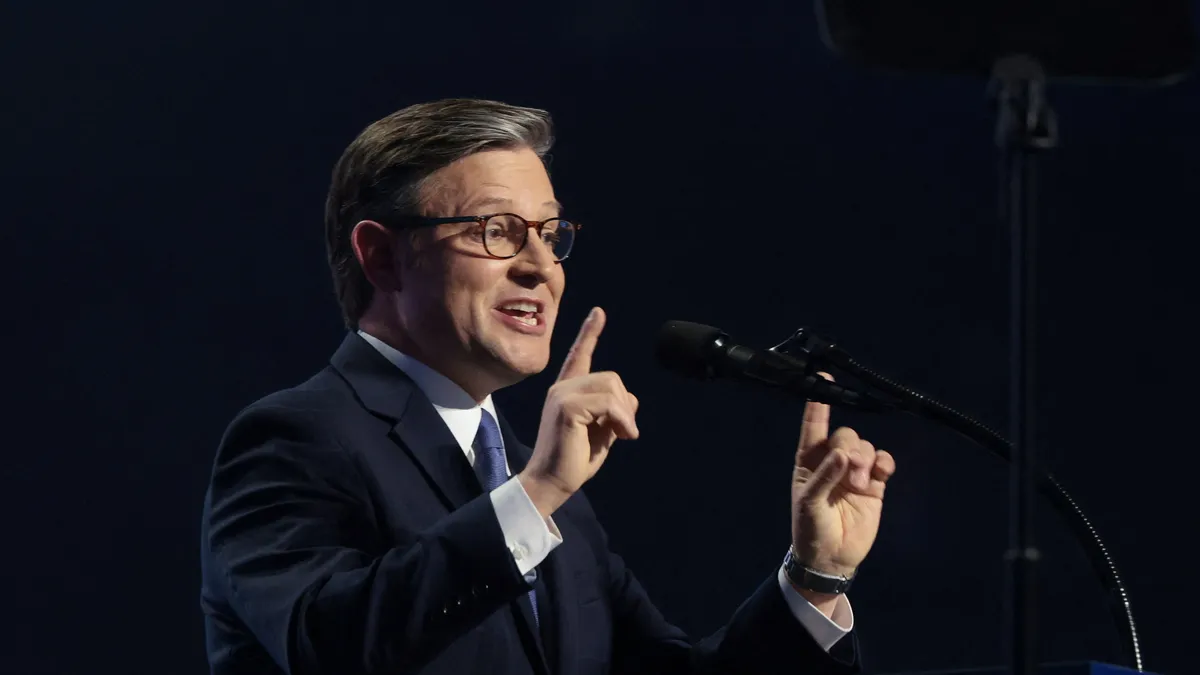
Cybersecarmor.com – House Speaker Mike Johnson said congressional Republicans will examine President Donald Trump’s proposal to provide $5,000 payments to every adult in the United States, while stopping short of promising the plan will become law.
During a sometimes contentious television interview, Johnson was pressed on whether he supports the payments if Republicans retain the House and Senate after November’s midterm elections. Trump introduced the idea at a Republican convention in Dallas the previous week, prompting immediate questions about its cost, legal basis and political timing.
Johnson described Trump as someone who regularly offers major policy ideas, but emphasized that lawmakers would need to evaluate the proposal through the normal legislative process.
“He’s a great idea generator.”
The Louisiana Republican said Congress would have to work through the details and seek agreement. He also indicated that Republicans would pursue as much of Trump’s agenda as possible, though the narrow GOP margins in Congress could make that difficult.
Congressional approval remains a central question
The proposed payments would likely require substantial action by Congress, particularly if federal funds are to be distributed broadly. Johnson said he would work with Trump on the concept but noted that building consensus is necessary for every major legislative effort.
“Congress will work through it and find consensus on that.”
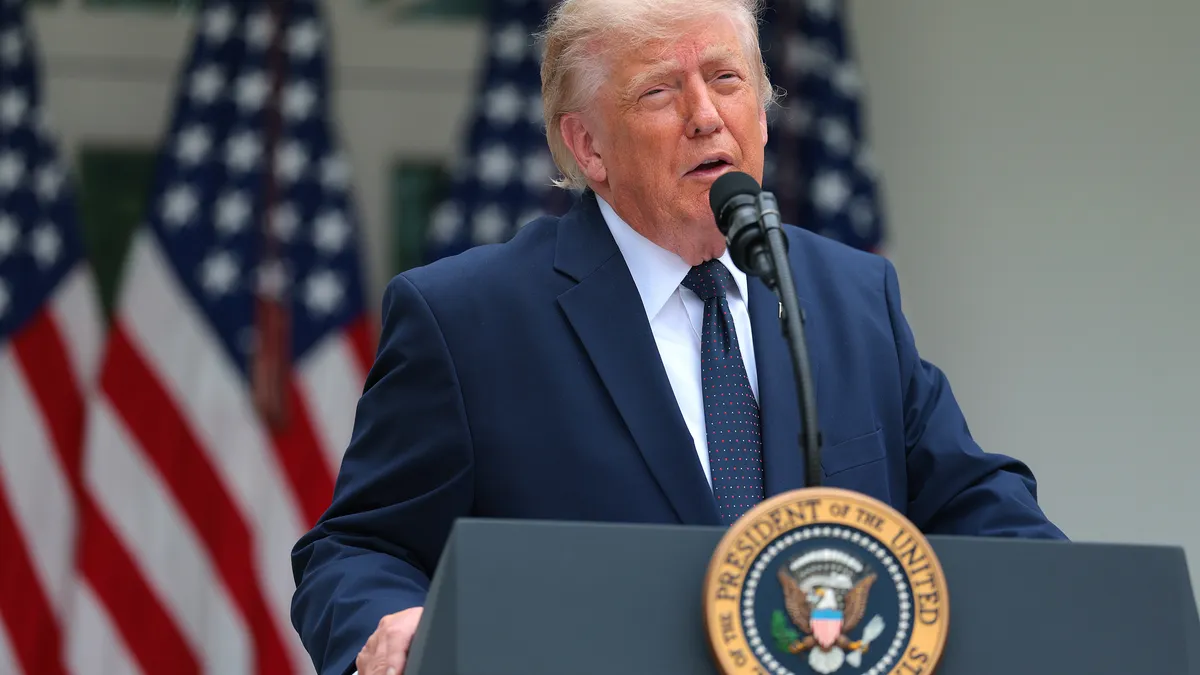
Trump addressed the issue separately on Sept. 13 while speaking with reporters during an international trip to Ireland. Asked whether Congress would need to authorize the checks, he expressed uncertainty but argued that the payments could be funded because federal revenue is strong.
“It’s $5,000 to all adults in the country.”
No legislative language, eligibility rules, funding source or timetable for distributing the proposed checks was outlined in the discussion. Those questions would be consequential: a universal payment program would require lawmakers to decide who qualifies, how payments would be delivered and whether the spending would add to the deficit or be paired with offsetting revenue or cuts.
Johnson later made clear that he does not want to increase the national debt. That concern could complicate the effort, even among Republicans who support the president’s broader policy goals. The speaker grew frustrated as the interview continued to focus on the dividend proposal, saying the conversation was spending too much time on one subject.
Midterm politics intensify scrutiny
The debate is unfolding as Trump faces weaker approval figures ahead of elections that will determine control of Congress. A poll conducted from Aug. 20 through Sept. 1 found that the share of Republican voters who strongly approve of Trump’s job performance had fallen by nearly 10 percentage points.
Republicans are seeking to defend their congressional majorities in November, and Trump’s promise has been viewed through that political lens. Critics, including some within the GOP, have questioned whether the checks could appear connected to electoral results.
Sen. Susan Collins of Maine, who chairs the Senate Appropriations Committee and is seeking reelection in November, said federal spending decisions should not seem tied to the outcome of an election. Johnson rejected the suggestion that the proposal was intended to purchase support from voters.
“No, of course not.”
He pointed to pandemic-era stimulus payments as an example of direct aid that received bipartisan backing. Congress approved those payments as part of the CARES Act, which Trump signed in March 2020 during his first term. At that time, Democrats controlled the House under Speaker Emerita Nancy Pelosi.
When reminded that Collins is also a Republican, Johnson acknowledged the point but argued that Trump remains the party’s leading figure. The exchange highlighted a broader tension for congressional Republicans: supporting a president who sets the party’s political direction while also addressing fiscal concerns and the demands of legislating with slim majorities.
What the proposal could mean for Americans
For households, a $5,000 payment would be a significant amount of direct assistance. But the announcement alone does not create a benefit or establish that checks will be sent. Until Congress considers a specific measure and determines how it would be financed, the proposal remains a political and policy objective rather than an enacted program.
The discussion also revived memories of the COVID-19 emergency, when direct payments were used as part of an urgent economic response. The current proposal is being discussed in a different setting, without a publicly described legislative package or a defined national emergency attached to it.
Johnson’s comments suggest House Republicans are open to exploring Trump’s idea, but his repeated references to congressional process and consensus indicate that a final outcome is far from certain. Any effort would face debate over budget effects, fairness, eligibility and whether direct checks are the most appropriate use of federal resources.
Johnson also addresses Iran conflict
The interview later shifted to Iran and the continuing war. Johnson characterized Iran as an unreliable party for negotiations and described the conflict as difficult and complicated. He said he wants the fighting to end as quickly as possible, while offering no simple path to resolving the situation.
For now, the $5,000 dividend proposal remains one of several issues likely to test Republican unity as the midterm campaign approaches. Trump has put the idea forward in clear terms, but Johnson’s response underscored that turning it into policy would require more than a presidential pledge.
Related Reading
Frequently Asked Questions
What is Will Congress pass Trump s 5 000?
Will Congress pass Trump s 5 000 is the main topic of this guide. The article explains the context, practical details, and next steps readers should understand.
Why does Will Congress pass Trump s 5 000 matter?
Will Congress pass Trump s 5 000 matters because readers are looking for a useful answer, not just a short summary. Good content should match search intent and help them decide what to do next.