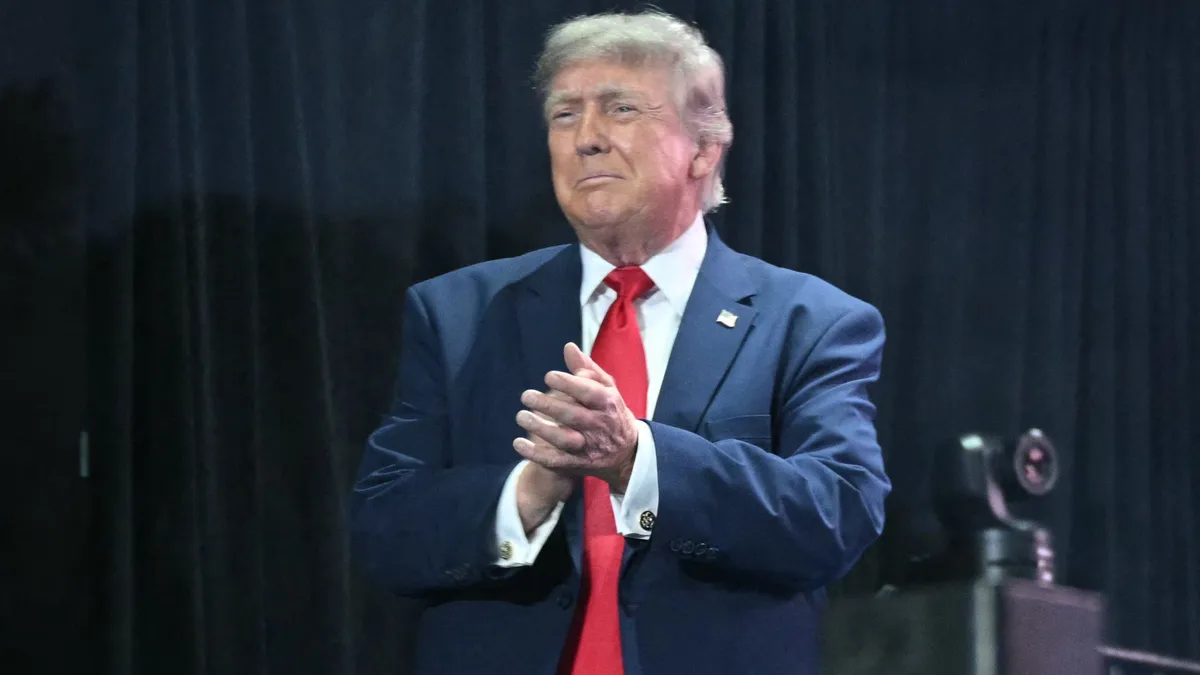
Trump announces $500 checks for Americans for alleged overcharge under Obamacare

Daftar Isi
Trump says $500 health insurance refunds will go to 1 million people
Cybersecarmor.com – President Donald Trump said his administration plans to send $500 checks in October to roughly 1 million people who purchased health coverage through the federal Affordable Care Act marketplace without receiving premium assistance.
In a video released by the White House, Trump described the payments as refunds tied to what he said were excessive user fees collected under the Biden administration from insurance companies participating in Healthcare.gov. Consumers ultimately absorbed those fees through higher insurance premiums, the White House said.
“Our Administration is doing the right thing and giving the money back to the people who were wrongly ripped off,” Trump said.
The administration said the planned refunds total $500 million and would be distributed to eligible residents in 30 states that use Healthcare.gov, the federal enrollment website for Affordable Care Act coverage. The checks are expected to be mailed during October.
Who could receive a check
Trump said the payments would be directed to people who enrolled through the federal exchange but did not receive ACA premium assistance. The proposal focuses on consumers who paid the full cost of their marketplace coverage rather than receiving subsidies that reduce monthly premiums.
The states using the federal marketplace are Alabama, Alaska, Arizona, Arkansas, Delaware, Florida, Hawaii, Indiana, Iowa, Kansas, Louisiana, Michigan, Mississippi, Missouri, Montana, Nebraska, New Hampshire, North Carolina, North Dakota, Ohio, Oklahoma, Oregon, South Carolina, South Dakota, Tennessee, Texas, Utah, West Virginia, Wisconsin and Wyoming.
For consumers in those states, Healthcare.gov is the primary federal portal for comparing insurance plans, checking eligibility for financial help and enrolling in ACA coverage. Other states operate their own marketplaces and are not included in the group identified for the announced refunds.
Why premium costs remain a major issue
The announcement comes after enhanced Affordable Care Act subsidies expired at the end of 2025. Their expiration made coverage more expensive for millions of consumers, particularly people whose incomes had previously qualified them for expanded assistance.
Premiums can reflect more than the medical services paid by an insurer. Administrative costs, taxes, fees and other expenses can also be incorporated into the price of a plan. The White House argued that the exchange-related fees collected from insurers exceeded the amount needed to operate the federal marketplace and should now be returned to consumers.
The administration’s description separates these proposed checks from another Trump pledge made Sept. 9 at the Republican National Convention. At that event, he promised $5,000 dividends for all American adults. Democratic lawmakers and other critics have called that broader dividend proposal blatantly illegal and questioned whether Congress would approve it.
The ACA-related refunds involve a different group of recipients and a different rationale: people who paid premiums through the federal exchange without premium assistance. The announcement did not change the distinct legal requirements already imposed on insurers under the Affordable Care Act.
Existing ACA rebate requirements
Federal law requires health insurers to return money to consumers when they do not spend a sufficient share of premium revenue on health care and quality-improvement activities. For many ACA plans, insurers must devote at least 80% of premium dollars to those purposes. Companies that fall below that threshold are required to provide rebates.
KFF, a nonprofit health policy organization, has estimated that ACA insurers will return more than $500 million to consumers through the rebate process, with more than $200 million also going to consumers under the rebate. Those required insurer rebates are separate from the White House plan to issue $500 checks tied to federal marketplace user fees.
For people who believe they may qualify, the key factors outlined in the announcement are where they lived, whether their state used Healthcare.gov and whether they enrolled without ACA premium assistance. The administration said the intended recipients span the 30 federal-exchange states and that payments would be sent by mail in October.
The planned refunds place renewed attention on the cost of marketplace coverage at a time when many households are assessing how changes in federal assistance affect their insurance budgets. For eligible consumers, the proposed $500 payment would represent a one-time refund rather than a change to the underlying monthly premium structure.
Related Reading
Frequently Asked Questions
What is Trump announces 500 checks for Americans?
Trump announces 500 checks for Americans is the main topic of this guide. The article explains the context, practical details, and next steps readers should understand.
Why does Trump announces 500 checks for Americans matter?
Trump announces 500 checks for Americans matters because readers are looking for a useful answer, not just a short summary. Good content should match search intent and help them decide what to do next.