A rare cruise booking opportunity may be opening in the Caribbean

Daftar Isi
Caribbean Cruise Prices Are Softening as Oversupply Meets Cautious Demand
Cybersecarmor.com – Travelers eyeing a sun-soaked Caribbean itinerary in the coming months may find themselves at the negotiating table of a shifting market. A convergence of newly launched vessels, redeployed tonnage, and sluggish booking momentum among middle-income households has created what one industry analyst describes as a supply-demand imbalance favoring the passenger. The result: promotional activity is surging across mainstream cruise operators, particularly for fall 2026 and winter 2026–2027 Caribbean sailings.
A Wave of New Tonnage Hits the Region
The cruise industry added roughly 9% more capacity year over year in 2026, driven by a slate of newbuildings entering service. Patrick Scholes, a lodging and leisure analyst at Truist Securities, flagged the resulting oversupply as a headwind for operators trying to maintain pricing power. Several carriers responded by shifting existing ships into Caribbean itineraries to absorb the excess.
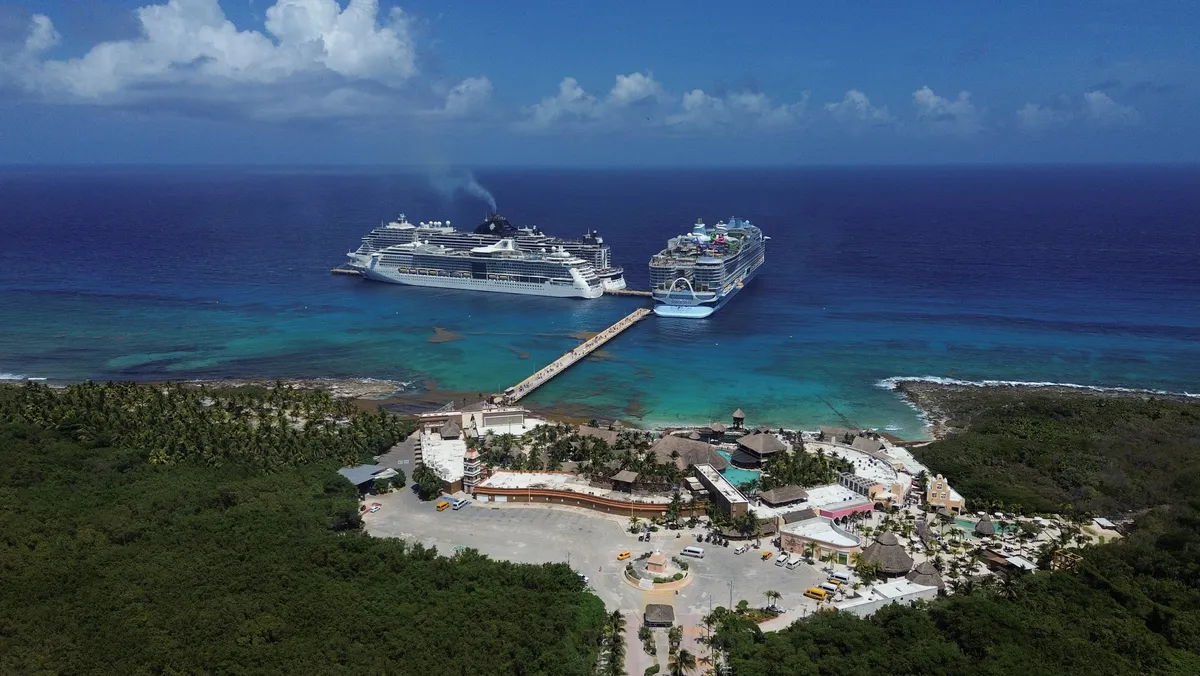
MSC Cruises pulled its 6,700-passenger MSC World Europa out of Middle East service after the February conflict with Iran disrupted regional operations. The vessel will now rotate through Caribbean itineraries for the winter season, displacing the roughly 5,100-passenger MSC Seaview, which is being redirected to South America. Norwegian Cruise Line, meanwhile, expanded its Caribbean deployment by 10% compared with 2025, adding ships to the region’s already crowded schedule.
Why Demand Hasn’t Kept Pace
On the booking side, the demographic most likely to purchase mainstream cruise packages — U.S. households earning between $70,000 and $120,000 annually — is feeling financial strain. Scholes pointed to rising fuel costs, elevated insurance premiums, and stagnant wage growth as factors dampening discretionary travel spending in that income bracket.
“I would call it at least a modest supply-demand imbalance – an unfavorable one – right now.”
The imbalance matters because cruise economics leave little room for idle capacity. Ships burn fuel, service debt, and carry crews whether or not a single cabin is sold. Crew contracts typically run three to nine months, locking operators into fixed labor costs even during soft booking periods. The practical consequence, in Scholes’s words, is that lines must
“push, push, push to fill to the maximum capacity.”
Promotions Over Price Cuts
Rather than slashing base fares, mainstream operators have leaned into value-add promotions: complimentary specialty-dining packages, bundled gratuities, and bundled onboard credits. Most major lines automatically post daily gratuities to guest accounts, though passengers retain the ability to adjust those charges before disembarkation. Scholes estimated that, after factoring in these free add-ons, net Caribbean prices have slipped by a low-to-mid single-digit percentage. Alaska and European itineraries, by contrast, have ticked up by a similar margin, though those routes carry inherently higher price points.
In late July, Scholes published a research note noting a “sizable pick-up in promotional activity, primarily for fall 2026 and winter 2026-2027 Caribbean sailings, most notably from Norwegian” tied to the line’s semi-annual sale event.
Norwegian’s Pricing Pivot
Norwegian Cruise Line Holdings, the parent company, recently disclosed a structural shift in how it sets fares. CEO John Chidsey explained on a July earnings call that the operator will
“offer more competitive pricing earlier in the booking curve to build demand sooner and support stronger close-in yields”
rather than holding elevated rates until the last weeks before sailing. The strategy is part of a broader effort to stabilize the company’s financial trajectory after a period of soft performance.
Who Actually Benefits
Stephanie Goldberg-Glazer, chief experience officer and owner of the travel agency Live Well, Travel Often, cautioned that travelers with fixed vacation dates — school breaks, anniversary weekends — are unlikely to see meaningful savings. She recently quoted a Royal Caribbean booking at $15,000 for six passengers in two balcony cabins and called those figures “very high” for peak windows.
“If they are flexible on time and just looking for a great deal, then absolutely.”
For flexible-date shoppers, however, the promotional window is open. Close-in Caribbean sailings through year-end, excluding holiday weeks, are showing lower pricing. A four-night Carnival itinerary in November, for example, is listed on Expedia starting at $189 per person. Goldberg-Glazer noted that weeks falling between Thanksgiving and Christmas, and other early-December dates when school-age travelers are home, tend to be the softest booking periods in the fall calendar.
Not Every Segment Is Feeling the Pressure
The discounting is concentrated in the mass-market, mainstream segment. River cruising and luxury brands, Scholes observed, continue to post strong results. “Luxury is doing phenomenal,” he said, noting the strength carries through both cruise and hotel channels. For those segments, capacity constraints and brand positioning insulate pricing from the broader promotional cycle.
The takeaway for the average Caribbean-bound traveler: the window for promotional value is real but narrow, time-sensitive, and heavily dependent on sailing dates. Booking flexibility remains the single most powerful lever for capturing the current imbalance.
Related Reading
Frequently Asked Questions
What is A rare cruise booking opportunity may be?
A rare cruise booking opportunity may be is the main topic of this guide. The article explains the context, practical details, and next steps readers should understand.
Why does A rare cruise booking opportunity may be matter?
A rare cruise booking opportunity may be matters because readers are looking for a useful answer, not just a short summary. Good content should match search intent and help them decide what to do next.