Karmelo Anthony is appealing murder conviction. Latest on contentious case

Karmelo Anthony Seeks to Challenge Murder Verdict in Rival School Stabbing Case
Conviction and Appeal Timeline
Cybersecarmor.com – Karmelo Anthony, a 19-year-old Texas resident, has initiated an appeal against his murder conviction following the April 2025 stabbing of Austin Metcalf, a 17-year-old student from a competing high school. According to court documents, the notice of appeal was submitted the day after Anthony’s trial concluded on June 9, marking the next phase in the legal proceedings. The conviction, which resulted in a 35-year prison sentence, stems from the fatal attack that occurred during a track meet in Frisco, Texas, a suburban area near Dallas known for its affluent community. The incident has sparked significant debate and heightened racial tensions in the region.
The Trial and Judicial Proceedings
The Collin County jury that delivered the verdict could have imposed a sentence ranging from two years to life imprisonment. The trial, which began on June 1, was marked by intense emotional moments and vivid courtroom testimony. Jurors were shown graphic video evidence of the scene, and multiple witnesses recounted the sequence of events leading to Metcalf’s death. The judge barred cameras and audio recordings during the trial, aiming to maintain focus on the proceedings and reduce external pressures on the jury.
Defense Claims of Self-Defense
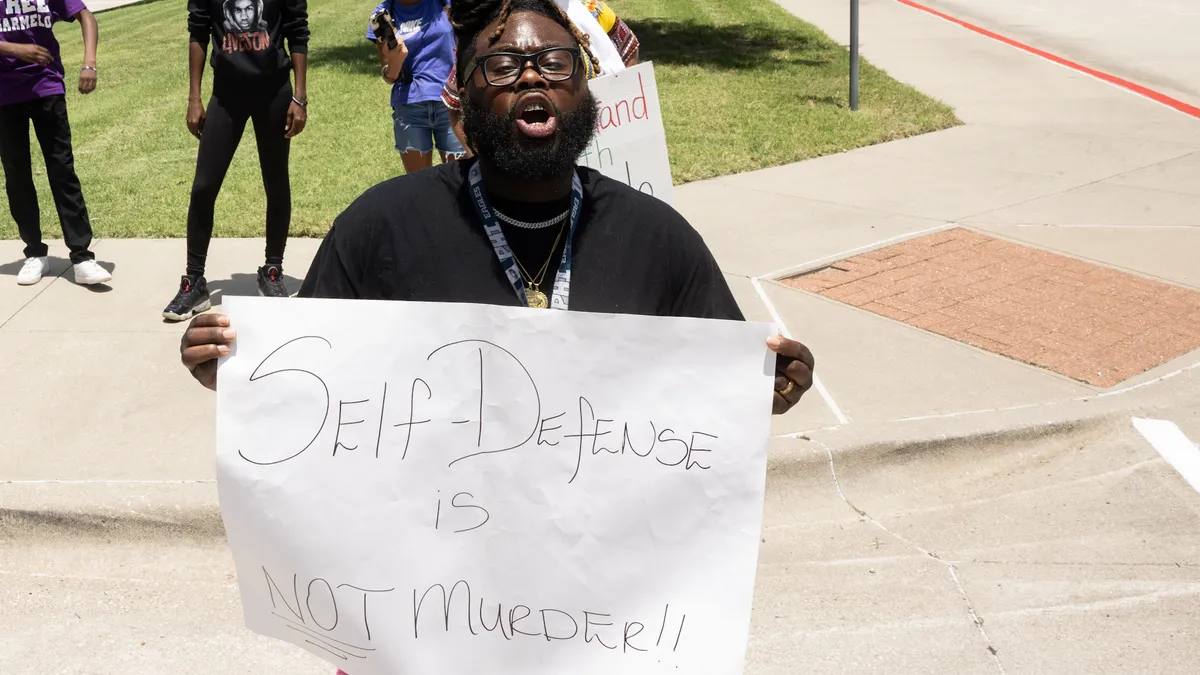
Anthony’s legal team argued that the act was a defensive response to provocation. They presented the narrative that Anthony, a student at Centennial High School, was attacked by Metcalf, who attended Memorial High School, a rival institution. The defense emphasized that the confrontation began when Metcalf shoved Anthony inside a tent at the track meet, prompting the teenager to defend himself. “He was simply trying to protect himself when the aggression escalated,” one of Anthony’s attorneys stated in court.
Prosecution’s Account of the Incident
Conversely, prosecutors maintained that Anthony instigated the conflict, leading to Metcalf’s fatal stabbing. They detailed how Anthony approached Metcalf’s tent, where the two were engaged in a heated exchange. According to the prosecution, Metcalf pushed Anthony after he was accused of entering the tent without permission, and Anthony retaliated by stabbing him. School resource officer Eduardo Cortez testified that during the incident, Anthony claimed, “I’m not alleged. I did it,” while also expressing concern for Metcalf’s well-being.
Emotional Testimonies and Community Impact
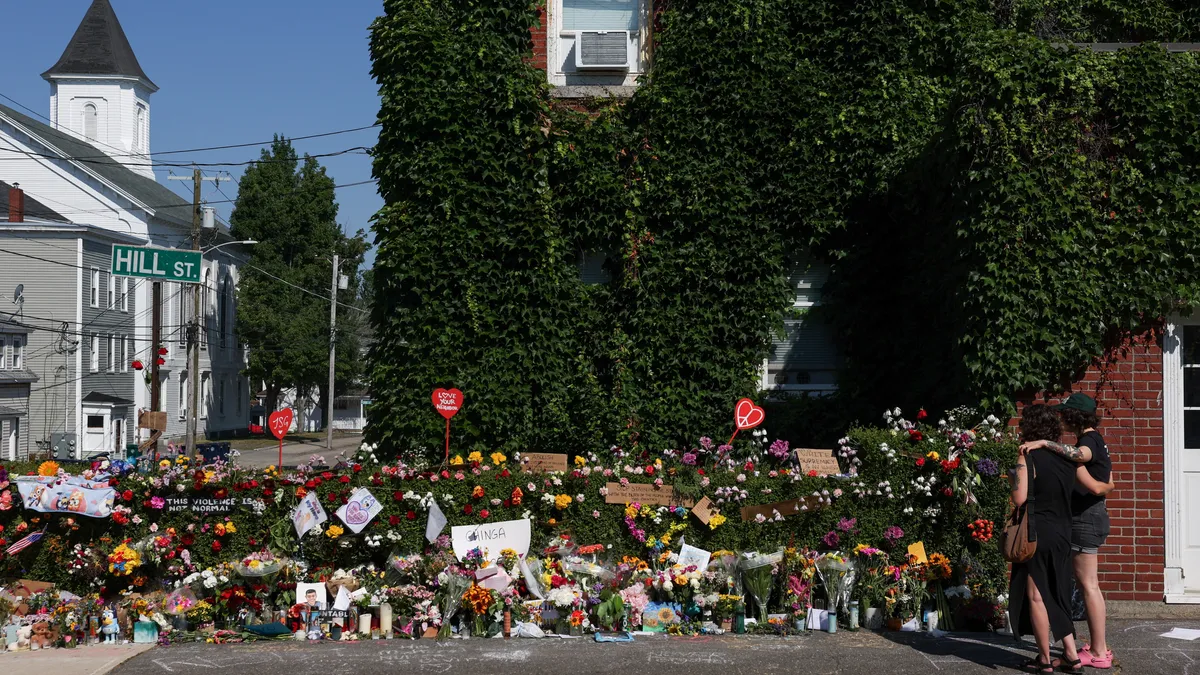
The trial was not only a legal battle but also a deeply personal one for the families involved. Student athletes who witnessed the event testified that Anthony had entered Metcalf’s tent to greet a friend, only to become defensive when asked to leave. This account aligned with multiple witnesses who supported the claim of provocation. However, the incident’s aftermath has left lasting scars on the community. Racial tensions have escalated, with residents divided over the circumstances of the killing and the justice served.
Familial Responses and Sentencing
During the sentencing phase, Metcalf’s parents addressed Anthony directly, expressing their grief and frustration. Meghan Metcalf, Austin’s mother, lamented the loss of her son, stating, “You may have just been given a sentence of 35 years; you should feel lucky because I’ve been sentenced to a life without my son.” She described the tragedy as a sudden and violent end to Austin’s life, emphasizing that he was taken from his family “just as he was starting to live.” Anthony’s mother, Kala Hayes, testified that she believed her son felt remorse for the act, pleading with jurors to show compassion. “Please have mercy on my son,” she said, “He’ll always be my baby.”
Legal and Financial Challenges
Anthony’s appeal is not the only legal action in progress. Court records indicate he has also filed a request for a new attorney, citing financial hardship. This move suggests that the defense is preparing for a prolonged legal battle, potentially challenging the trial’s procedural aspects or the sufficiency of evidence. The defense team, including attorney Mike Howard, has emphasized the importance of the appellate process, stating that it allows for a thorough examination of the case. “An appeal is the next part of the legal process and a right afforded every American,” Howard explained in a statement to CBS News Texas.
Legacy of the Case
The case has become a focal point for discussions about youth violence, school rivalries, and the role of defense strategies in criminal trials. Austin Metcalf’s twin brother, Hunter, accepted a posthumous diploma on his behalf at a recent graduation ceremony, symbolizing the family’s enduring connection to their sibling’s memory. The event underscored the personal toll of the tragedy, as Hunter carried forward the legacy of his brother’s life and aspirations. Meanwhile, Anthony’s family remains hopeful that the appellate courts will reconsider the conviction, offering a chance for justice to be reevaluated.
The trial has also highlighted the complexities of interpreting self-defense claims in the context of high-stakes school conflicts. While the prosecution framed Anthony as the aggressor, the defense painted a picture of a teenager responding to a physical attack. This dichotomy has fueled public discourse, with some community members questioning whether the sentence adequately reflects the circumstances of the crime. Legal experts note that the appeal process will be critical in determining whether new evidence or procedural errors can alter the verdict.
Community Reflections and Future Implications
As the case moves forward, the community continues to grapple with its emotional aftermath. The incident, which occurred during a routine track meet, has transformed into a broader conversation about justice, accountability, and the factors that contribute to youth violence. For many, the case serves as a reminder of how quickly lives can change, and the lasting impact of such events on families and neighborhoods. The upcoming appellate hearing will be closely watched, not only for its legal implications but also for its potential to influence public perception of similar cases in the future.
Anthony’s attorneys have hinted at multiple grounds for appeal, including the possibility that the jury’s decision was influenced by racial bias or insufficient evidence. They may also challenge the prosecution’s portrayal of the incident as intentional rather than defensive. The outcome of the appeal could set a precedent for how such cases are handled in Texas, particularly those involving students from rival schools. Meanwhile, Metcalf’s family remains focused on closure, with Hunter’s graduation serving as a poignant tribute to his brother’s life and the hope that the justice system will deliver a fair outcome.
Quotes from the Trial
“I’m not alleged. I did it,” Anthony stated to school resource officer Eduardo Cortez during the incident.
“Please have mercy on my son,” Kala Hayes said, “He’ll always be my baby.”
“You may have just been given a sentence of 35 years; you should feel lucky because I’ve been sentenced to a life without my son,” Meghan Metcalf told Anthony during sentencing.
The story has been updated to reflect the latest developments in the case, including the filing of the appeal and the request for legal aid. As the appellate process unfolds, the case will remain a significant chapter in the ongoing dialogue about youth crime, legal procedures, and the emotional weight of justice. For now, the community waits for the next chapter, hoping for clarity and resolution in a case that has already left an indelible mark.