Divided Supreme Court lets Trump’s White House ballroom construction continue

Divided Supreme Court Lets Trump Ballroom Go
Cybersecarmor.com – On August 31, a divided Supreme Court lets Trump proceed with a $400 million ballroom and subterranean security annex attached to the White House. The 5-4 ruling, issued in an unsigned opinion, avoided the core constitutional question of whether Congress must approve such a project and instead resolved the case on standing. By finding that the challengers had not shown a concrete injury, the majority cleared the administration to finish a structure its critics say will permanently reshape one of America’s most recognizable civic buildings.
How a Standing Ruling Sidestepped the Merits
The dispute arrived at the justices through an emergency appeal filed by the Justice Department. Earlier that spring, a federal district judge had limited construction to underground bomb-shelter work absent congressional authorization. A split appeals court affirmed that restriction in early August but stayed its immediate force, opening a brief window for the administration to seek review. On August 21, Chief Justice John Roberts personally extended the stay, granting the full bench time to consider the appeal.
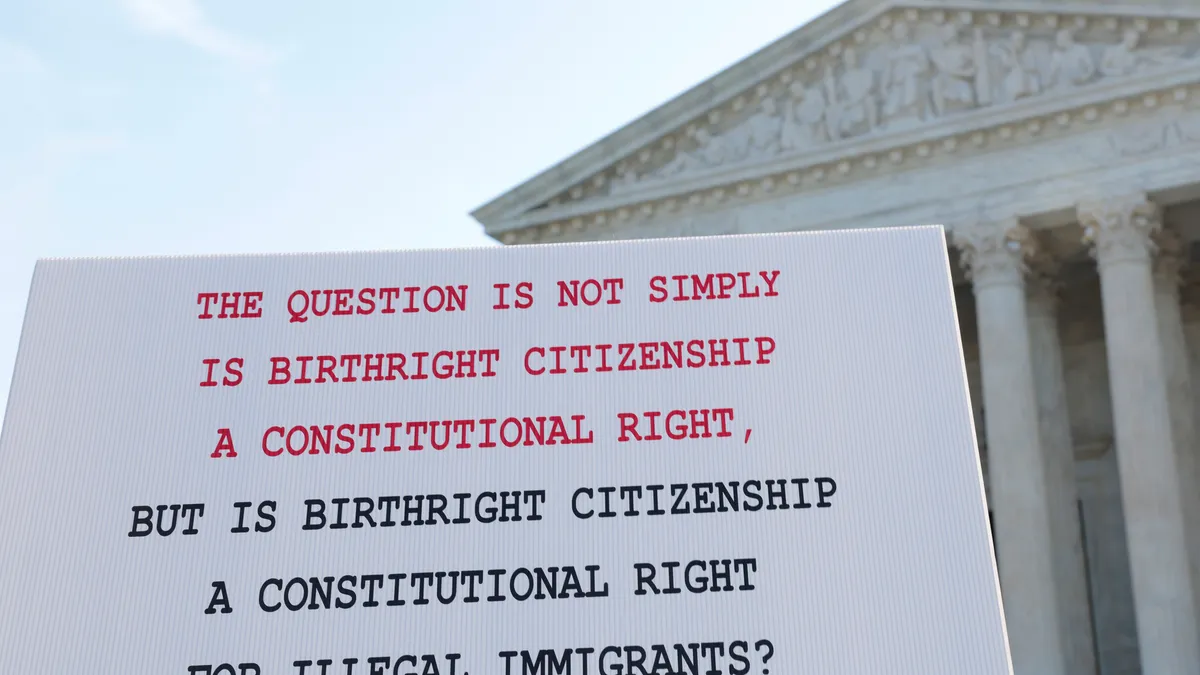
When the court finally acted, the majority held that the National Trust for Historic Preservation — the organization contesting the ballroom — had not demonstrated the kind of particularized injury required to sue. The trust’s claim rested largely on one member’s objection to how the White House façade would appear after renovation. The majority deemed that disagreement too attenuated to confer standing.
“This Court has not found standing in circumstances like these before,” the unsigned opinion read. “Perhaps nearly any government action or project offends someone’s sensibilities.”
The practical effect was to remove the project from judicial review at this juncture without opining on whether the construction itself was lawful. The majority stressed it was not reaching the congressional-approval question.
Roberts’ Dissent and the Project’s Scope
Chief Justice Roberts, joined by the court’s three liberal justices, dissented sharply. He argued the majority ignored precedent recognizing that “mere esthetic interests” can constitute a cognizable injury. By dismissing the trust member’s objection, he wrote, the court was enabling an executive project that likely intrudes on Congress’s constitutional authority over federal spending and property regulation. He called the construction “likely unlawful” and warned that harms to the building’s historic character, once the structure was complete, would be effectively irreversible.
“The White House is an iconic American building whose symbolism and history are wrapped up in its architecture,” Roberts wrote. “Today’s decision is no victory for the separation of powers.”
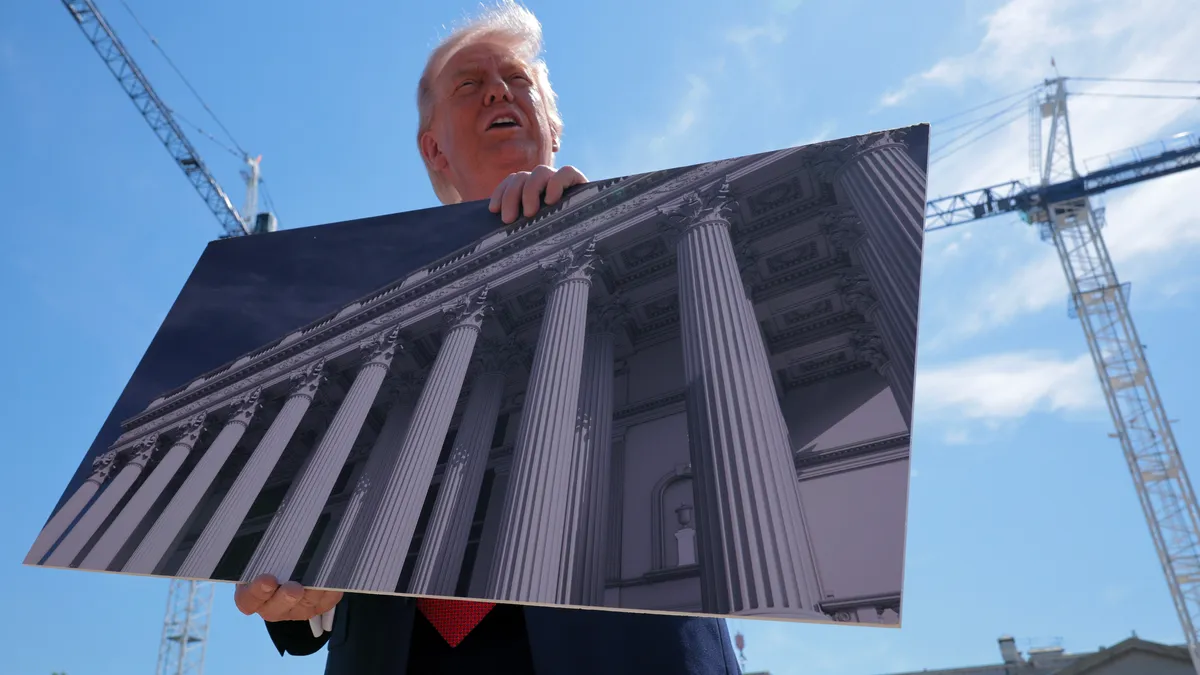
The ballroom effort began last October when Trump ordered demolition of the East Wing, a section that had housed offices and ceremonial spaces for decades. In its place, contractors are erecting a 90,000-square-foot ballroom funded entirely by private donors, alongside an extensive underground complex designed as a hardened security and command facility. Director of National Intelligence Jay Clayton told the court the project was essential to ensuring the White House could serve as a secure venue for presidential events. The Justice Department’s filings noted construction was already 65 percent complete and had “passed the point where major changes” to the design were feasible. Because specified materials are engineered to withstand nuclear blasts, the department argued any court-ordered demolition at the conclusion of litigation would be practically impossible.
Trump celebrated the ruling on social media, dismissing the lawsuit as “baseless.” “I am pleased to report that the United States Supreme Court has just ruled in favor of the Ballroom/Military Complex being built without any further contingency, doubt, or threat,” he posted. Brent Leggs, president of the National Trust for Historic Preservation, urged the court to revisit the case through full written and oral briefing once the justices return from their summer recess.
Frequently Asked Questions
What exactly did the Supreme Court decide? The court ruled on standing alone, finding the challengers had not shown a concrete, particularized injury. It did not rule on whether Congress must authorize the ballroom project.
Can the construction be stopped now? Under the majority’s reasoning, no court can enjoin the work at this stage because no party has been found to have standing. The merits question remains open for a future case with a properly established injury.
Who funded the ballroom? The administration states the 90,000-square-foot structure is funded entirely by private donors, not by congressional appropriations.
What is the dissent’s main concern? Chief Justice Roberts, joined by three colleagues, argued the majority’s standing ruling effectively shieldsed an executive project that likely violates the separation of powers and irreversibly alters a historic federal building.