
The world’s largest lake is disappearing – and it’s taking ecosystems and livelihoods with it
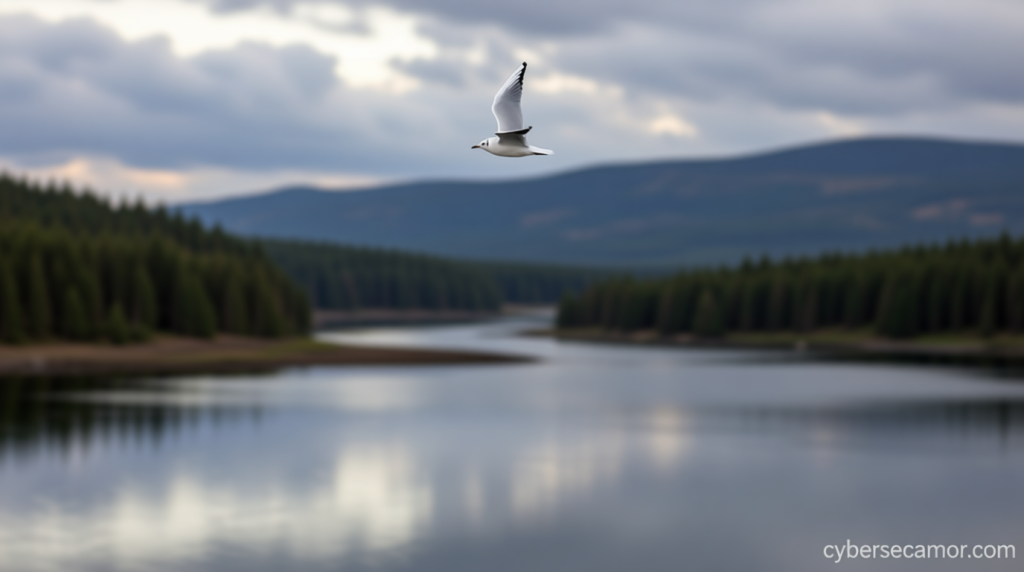
The World’s Largest Lake Shrinks: Ecosystems and Livelihoods at Risk
The world s largest lake is disappearing – The world’s largest lake is shrinking rapidly, threatening the delicate balance of its ecosystems and the livelihoods of millions. The Caspian Sea, recognized as the globe’s largest enclosed inland body of water, has been losing volume for decades, with recent measurements revealing a concerning acceleration. This decline, observed through satellite imagery and hydrological data, is reshaping the geography of Central Asia and raising alarms about the future of the region’s natural and human systems. As the sea’s surface area contracts, its coastal zones are increasingly exposed, disrupting habitats and fueling debates over how to mitigate the damage before it becomes irreversible.
Water Balance and Climate-Driven Decline
The Caspian Sea’s water levels are dictated by a complex interplay of factors, including river inflow, precipitation, and evaporation. The Volga River, which contributes the majority of the sea’s freshwater, has seen reduced discharge due to water diversion for agriculture and industry. At the same time, rising temperatures in the region have intensified evaporation, further straining the sea’s natural equilibrium. Scientists warn that these climate-driven shifts, compounded by unsustainable resource use, are pushing the world’s largest lake toward a critical tipping point. The loss of volume not only affects the sea’s physical dimensions but also has far-reaching consequences for its biodiversity and the communities that depend on it.
“The Caspian Sea is a unique ecosystem, and its decline is a direct result of both climate change and human activity,” states Dr. Elnur Safarov, a leading expert at the Caspian Integrated Scientific Network (CASPISNET). He highlights that the region’s arid climate and reliance on water-intensive industries have created a perfect storm for the sea’s degradation. “Even minor fluctuations in water levels can have major impacts, particularly on the sea’s coastal zones, where the loss of wetlands and delta systems is already evident.” Safarov adds that the shrinking lake is not just a natural phenomenon but a warning sign of broader environmental challenges facing Central Asia.
Ecosystems in Peril: Biodiversity and Food Security
As the Caspian Sea recedes, its ecosystems face unprecedented stress. Once abundant marine life, including sturgeon, salmon, and herring, is struggling to adapt to the changing conditions. The loss of habitat is particularly severe in the sea’s coastal zones, where wetlands and reed beds—critical for breeding and feeding—are being exposed to air and sun. This has led to the decline of species that rely on these areas, such as migratory birds and fish populations. The World’s Largest Lake, which historically supported diverse marine and terrestrial life, now risks becoming a fragmented ecosystem.
Dr. Nijat Hasanov, a marine biologist, underscores the gravity of the situation: “The collapse of fish populations in the Caspian Sea is not just an ecological issue—it’s a food security crisis.” The region’s fishing industry, which has been a cornerstone of local economies, is under threat as water levels drop. For example, the Surakhani Museum Ship, a historical artifact, now sits on shallow waters, symbolizing the loss of deep-water habitats. “These changes are already disrupting the food chain, affecting both aquatic and land-based species,” Hasanov explains. The ripple effects of this biodiversity loss could destabilize entire ecosystems, with cascading impacts on the environment and human survival.
Human Impact and Regional Challenges
The shrinking of the World’s Largest Lake is a direct consequence of human activity, particularly the overexploitation of its waters. Central Asian nations, including Kazakhstan, Russia, Iran, Turkmenistan, and Azerbaijan, have long relied on the Caspian Sea for economic growth, using its resources for agriculture, industry, and energy production. The Volga River, which supplies nearly 80% of the sea’s freshwater, has been heavily diverted for irrigation, reducing the natural inflow and accelerating the sea’s decline. This has led to a depletion of water reserves, with some areas experiencing severe droughts and saltwater intrusion.
“The Caspian Sea is a shared resource, but its management is fragmented,” says Dr. Safarov. He points out that the lack of coordinated policies among the five Central Asian states has worsened the crisis. “Each nation prioritizes its own needs, often at the expense of the whole system.” This disjointed approach has contributed to the sea’s shrinking, with some estimates suggesting a 25% reduction in volume since the 1990s. The challenge now is to balance economic demands with environmental sustainability, ensuring the survival of the World’s Largest Lake and the ecosystems it sustains.
International Efforts and the Path Forward
Recognizing the urgency of the situation, international organizations and regional leaders have begun collaborating to address the crisis. The Caspian Sea Water Level Regulation Project, initiated by the Caspian Economic Cooperation Council (CECoC), aims to stabilize the sea’s volume through coordinated water management strategies. These efforts include restoring river flows, improving water conservation, and investing in sustainable fishing practices. However, achieving success requires long-term commitment and political will, as the five nations must agree on shared goals despite competing interests.
“We need to think beyond short-term gains and focus on the long-term health of the Caspian Sea,” says Dr. Hasanov. He emphasizes that without intervention, the World’s Largest Lake could continue to shrink, leading to irreversible ecological damage. “The survival of the Caspian Sea depends on our ability to adapt to climate change and prioritize conservation.” While challenges remain, experts agree that the situation is not yet beyond hope. “With the right policies and actions, we can still protect this vital body of water,” Safarov concludes. The time to act is now, before the world’s largest lake becomes a relic of the past.

