Usha Vance keeping ‘open mind’ on potential JD Vance presidential run

Daftar Isi
Second Lady Usha Vance Signals Support as JD Vance’s 2028 Ambitions Take Shape
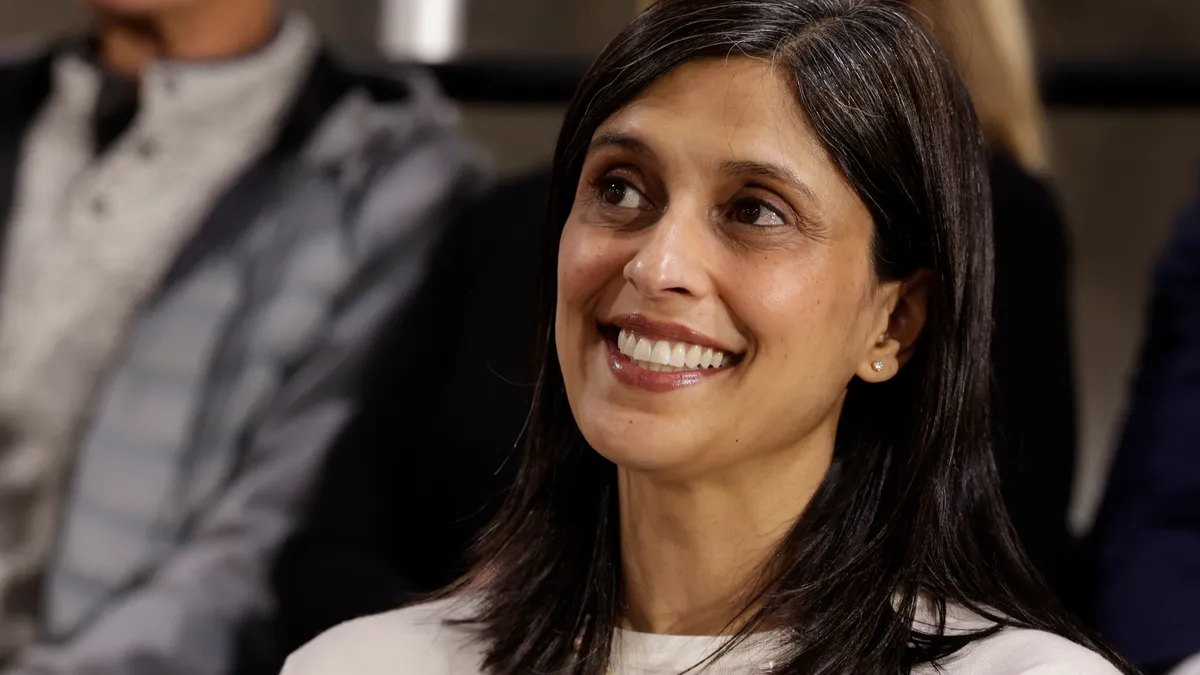
Cybersecarmor.com – The question of who will carry the Republican banner into the 2028 presidential election has moved from whispered speculation to front-page reality, and at the center of that conversation sits one of the most consequential households in Washington. Vice President JD Vance’s potential bid for the presidency has generated months of political chatter, but it was his wife, second lady Usha Vance, who stepped forward on August 26 to offer the most direct signal yet about the family’s posture toward a White House run.
Speaking on Fox News’ morning program “Fox & Friends,” Usha Vance made clear that she is not resisting the possibility of another four years in the executive mansion. She described her approach as one of an “open mind and open heart,” framing whatever decision her husband ultimately makes as something the couple will navigate together. The remarks landed during a period when the vice president’s public attention is squarely fixed on the November midterm elections, making her comments a deliberate signal that the family is already thinking beyond the current congressional cycle.
“Whatever it is that he feels is the right thing for him to do, we’re going to have a good time doing it. We will make the best of it in the best possible way.”
Host Rachel Campos-Duffy pressed the second lady on timing and logistics, and Usha Vance responded that the family is proceeding “one step at a time,” declining to speculate on a timeline while affirming her willingness to support whichever path JD Vance chooses. The measured tone of the exchange suggested a household that has already begun internal planning, even as no formal announcement has been made.
The Succession Calculus Inside the White House
Usha Vance’s remarks arrive at a moment when two names have crystallized as the leading candidates to succeed President Donald Trump: Vice President JD Vance and Secretary of State Marco Rubio. Both men occupy positions of enormous institutional power, and both have spent the current administration building deep networks of donor relationships, media visibility, and party-organizational loyalty that would serve as launchpads for a presidential campaign.
Trump himself has resisted naming a preferred successor, though he has not hidden his enthusiasm for the pairing. At a White House event in May, the president described the Vance-Rubio combination as a potential “perfect ticket,” a phrase that sent ripples through Republican donor circles and campaign strategists alike.
“I do believe that’s a dream team, but these are minor details. That does not mean you have my endorsement under any circumstances. I think it sounds like a presidential candidate and vice presidential candidate.”
The careful hedging in that statement is telling. Trump has historically wielded endorsement power as a decisive electoral weapon, and his refusal to lock in a specific successor keeps both Vance and Rubio competing for his ultimate blessing while also preserving his own leverage over the party’s direction.
Polling: A Two-Horse Race With Real Distance
Two recent surveys paint a picture of a Republican primary field that is consolidating around two candidates, though the margin between them remains volatile.
A Focal Data/Financial Times poll released on August 16 placed Vance at the top of the GOP field with 42 percent of likely Republican primary voters, while Rubio trailed at 18 percent. Donald Trump Jr. and Florida Governor Ron DeSantis followed further behind at 10 and 8 percent, respectively. The gap between the top two candidates in that survey was wide enough to suggest a clear frontrunner, yet the methodology and sample size left room for interpretation.
A month earlier, an Emerson College survey conducted on July 23 told a markedly different story. In that poll, Vance led with 39 percent and Rubio sat virtually tied at 38 percent, a margin well within sampling error. DeSantis polled a distant third at just 5 percent, while 9 percent of respondents remained undecided. The swing between the two surveys underscores how fluid the 2028 landscape remains and how sensitive it is to campaign messaging, media coverage, and Trump’s own public signals.
Why the Midterms Matter for the 2028 Calculation
The November elections are not merely a test of congressional majorities; they will serve as the first real referendum on the administration’s second-half performance and, by extension, on whichever successor candidate is most closely associated with the president’s brand. A strong Republican showing would embolden the party’s establishment to rally behind a frontrunner as early as late 2027. A weaker result could fracture the field, invite primary challenges from outside the current administration, and force Trump to make a harder endorsement decision under greater pressure.
For Usha Vance, the practical implications of her “open mind” remark extend well beyond personal preference. A second-lady role in a second term would mean another four years of public scrutiny, diplomatic hosting, and policy-adjacent visibility. Her willingness to frame that prospect in terms of shared enjoyment and mutual support is itself a political statement, signaling to donors, party operatives, and the media that the Vance household is prepared to absorb the costs of a full presidential cycle.
As the Republican Party begins its long, noisy march toward 2028, the family’s posture will be watched as closely as any candidate’s debate performance. Usha Vance’s August comments suggest that household is already at the starting line, even if the race has not yet been officially declared.
Related Reading
Frequently Asked Questions
What is Usha Vance keeping open mind on potential?
Usha Vance keeping open mind on potential is the main topic of this guide. The article explains the context, practical details, and next steps readers should understand.
Why does Usha Vance keeping open mind on potential matter?
Usha Vance keeping open mind on potential matters because readers are looking for a useful answer, not just a short summary. Good content should match search intent and help them decide what to do next.