
Hundreds of Hungarian roads may be contaminated with asbestos
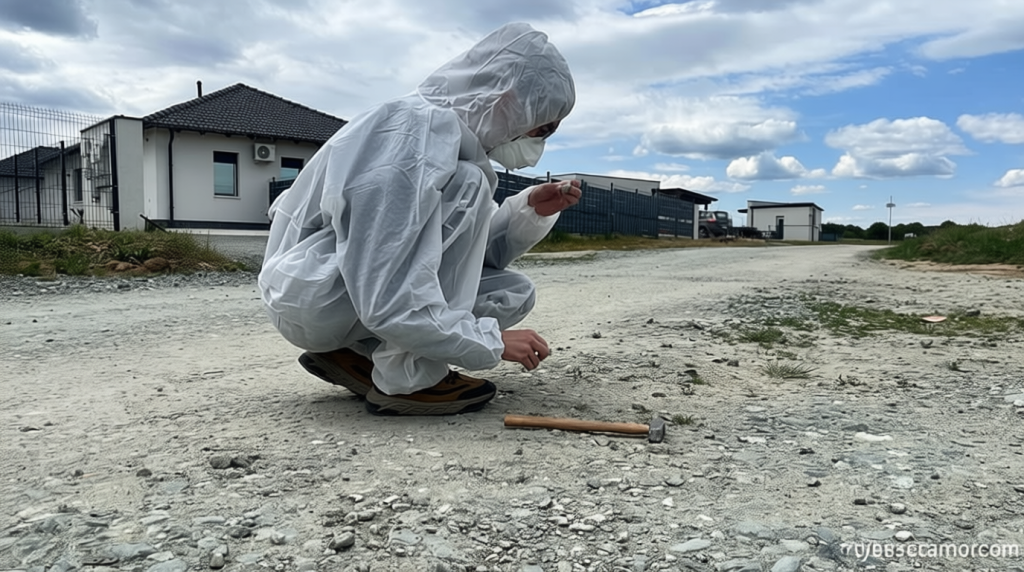
Hundreds of Hungarian Roads May Be Contaminated with Asbestos
Hundreds of Hungarian roads may be contaminated – In the western regions of Hungary, a growing concern has emerged regarding the presence of asbestos in road surfaces. A notable area affected is the Oladi plateau, a residential zone near Szombathely currently undergoing development. This region may have been exposed to asbestos contamination for approximately eight to ten years, following the transportation of stones from Austrian mines. The potential health risks posed by this exposure have sparked discussions among experts and officials, prompting immediate action to mitigate the dangers.
“Asbestos is not inherently dangerous, but its fibrous structure makes it a significant threat to human health,” says Tamás Weiszburg, a geologist and former head of the mineralogy department at Eötvös Loránd University. He explains that the mineral’s fine fibers can bypass the body’s natural defenses and settle deep within the respiratory system. Once inhaled, these fibers may remain in the lungs for extended periods, leading to chronic inflammation and increasing the risk of cancerous growths over time.”
Weiszburg further elaborates on the mechanism by which asbestos fibers cause harm. “The fibers are so small they can linger in the air, entering the bronchi without being removed by the body’s defenses,” he notes. “Their length prevents phagocytes from fully engulfing them, resulting in a persistent inflammatory response. This condition, if left unchecked, can eventually evolve into serious illnesses such as mesothelioma or lung cancer.” The geologist emphasizes that the danger lies not in the asbestos itself, but in how it interacts with the human body once inhaled.
Hungarian Environment Minister László Gajdos recently visited the Szombathely district, a region heavily populated by families with young children. The visit highlighted the urgency of addressing the contamination, as children are particularly vulnerable to the effects of asbestos exposure. During the visit, Gajdos was briefed by András Nemény, the mayor of Szombathely, who explained measures being taken to reduce risks. “By slowing down vehicle speeds, we’ve already made substantial progress. This helps prevent dust from being stirred up and dispersed into the air,” Nemény stated, underscoring the importance of localized interventions.
“We are implementing continuous watering of the area to keep airborne particles in check,” Gajdos added. However, he acknowledged that the government still lacks clarity on the exact locations where stones from Austrian mines were used. “Three counties are currently affected, but the origin of the materials remains unclear. Four Austrian mines have already been closed, yet their stones may have been distributed across multiple sites,” he noted. Gajdos expressed a commitment to resolving the issue promptly, stating, “I will present this matter to the government on Monday to ensure swift decision-making.”
Weiszburg attributes the contamination to both a lack of awareness and a legal oversight. He points out that Europe currently lacks comprehensive regulations governing natural asbestos. “This creates a situation where asbestos-containing materials can be used without clear guidelines,” he explains. He highlights the variability in mine composition, where one side of a quarry might produce asbestos-rich stones while the other does not. “This is not intentional environmental harm, but rather a result of insufficient knowledge and oversight,” he clarifies.
The geologist also stresses that the absence of a legal framework in Europe has allowed asbestos mining to continue unchecked. “Even though it was scientifically known that some mines contained asbestos, there was no mandate to halt operations. Austria, for instance, had no specific laws regulating its use, which led to widespread incorporation into road construction without proper precautions,” Weiszburg elaborates. He adds that while the risk is manageable when roads remain intact, the threat escalates during dismantling or maintenance activities.
According to recent assessments, over 300 locations have been identified as potentially contaminated. The most affected areas include the Szombathely district, as well as Sopron and Kőszeg, where road surfaces have been covered with gravel laced with natural asbestos. While some roads in western Hungary have been properly sealed, reducing the risk of fiber release, others remain exposed. “When roads are disturbed, the asbestos in the base material becomes airborne, endangering workers and nearby residents,” Weiszburg warns.
Gajdos, during a press conference in the Szombathely district, reiterated the need for a coordinated response. “The issue requires collaboration between different ministries to ensure effective containment strategies,” he said. Officials are now prioritizing inspections and protective measures, particularly for workers involved in road maintenance. “Until the site is fully sealed, all personnel must wear appropriate masks to minimize exposure,” Gajdos emphasized.
The minister also called for greater public awareness, noting that communities in affected areas may not yet understand the full implications of asbestos exposure. “We must educate residents on the potential risks and how to protect themselves, especially children who are more susceptible to long-term health effects,” he added. This effort aligns with broader discussions on asbestos safety in Hungary, which has been linked to respiratory diseases and other health complications in recent years.
Experts suggest that the contamination stems from a combination of factors. First, the lack of preventive regulations in Europe has allowed asbestos to be used in construction without mandatory safety checks. Second, the absence of clear labeling for asbestos-containing aggregates has created confusion. “It is possible for a single mine to supply both asbestos and non-asbestos stones, leading to unintended exposure,” Weiszburg explains. This situation highlights the need for stricter oversight and standardized protocols to prevent future incidents.
As the government moves to address the issue, officials are focused on identifying all contaminated sites and implementing sealing measures. However, the process is complex, requiring collaboration between geological experts, environmental agencies, and local municipalities. “The goal is to ensure that any road being dismantled is first tested for asbestos, with protective measures applied until the material is safely contained,” Gajdos said. This proactive approach aims to prevent further spread of asbestos fibers and safeguard public health in the region.
While the immediate threat is being managed through localized efforts, the long-term implications of the contamination remain a concern. Asbestos-induced tumors can take decades to develop, meaning the health impacts of this exposure may not be fully visible for years to come. “This is a slow process, but one that demands constant vigilance,” Weiszburg concludes. As the investigation continues, the challenge lies in balancing infrastructure development with environmental safety to protect both current and future generations.

