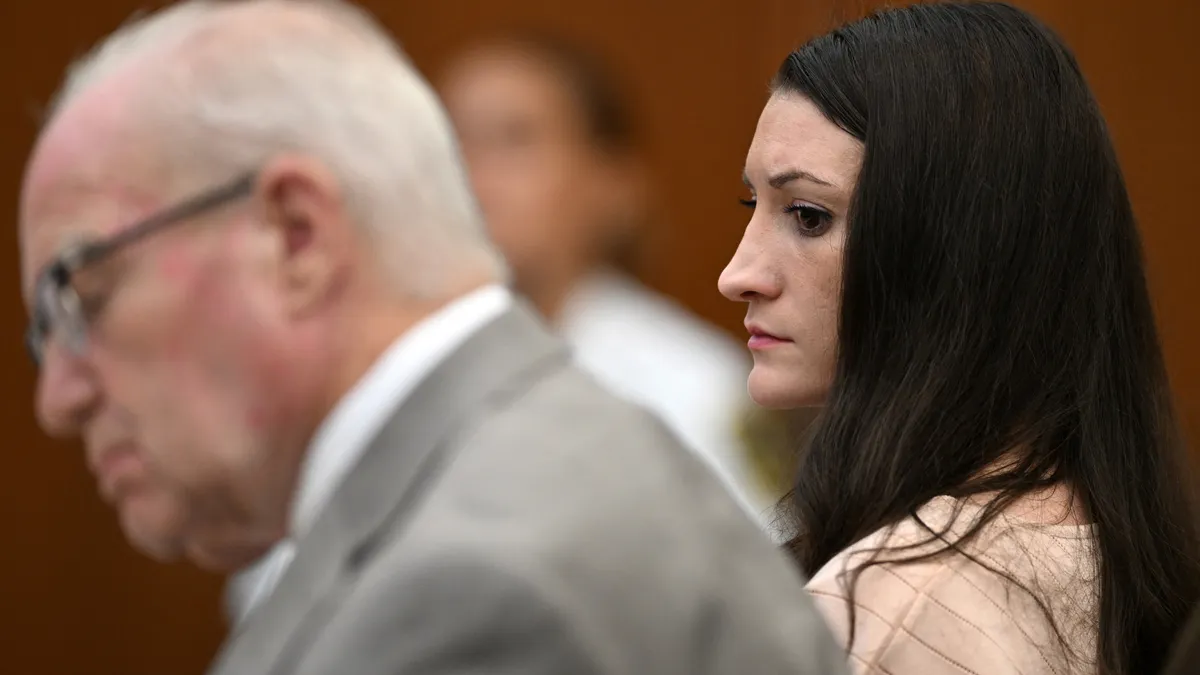
Lindsay Clancy murder trial is attracting TikTok fans with wild theories

Daftar Isi
TikTok’s Citizen Jury Weighs In on the Lindsay Clancy Murder Trial
Cybersecarmor.com – While formal proceedings continue in a Massachusetts courtroom, a parallel verdict is being reached online. The social media community has largely decided that Lindsay Clancy did not commit the murders of her three children in Duxbury, despite the charges filed against her. This digital jury, composed primarily of TikTok users and true crime enthusiasts, has developed elaborate theories suggesting the mother was framed by her husband, Patrick Clancy.
Competing Narratives in the Courtroom
The legal case centers on events from 2023, when Clancy is accused of killing her three young children. Prosecutors maintain that she carefully orchestrated the deaths, having previously arranged for her husband to leave the home. The defense does not dispute that Clancy committed the acts but contends she lacked criminal responsibility due to postpartum psychosis—a severe mental health condition that can cause delusions and hallucinations following childbirth.
According to court testimony, Patrick Clancy was at a CVS pharmacy when the tragedy occurred. This detail has become a cornerstone of the online theories suggesting Clancy was set up. Social media users have scrutinized every available piece of evidence, from livestream footage to courtroom transcripts, searching for inconsistencies that might support their belief that Clancy is innocent.
The Rise of Forensic Fandom
What began as sympathetic responses from mothers sharing their own postpartum experiences has evolved into something more complex. Since the trial commenced on July 20, social media commentary has shifted dramatically. Users now create detailed video analyses, examine “hot mic” audio controversies, and even produce aesthetic edits of defense attorney Kevin Reddington.
It refers to this idea that not only are you invested in a story, but you think you can solve it.
Katy Coduto, an assistant professor of media science at Boston University, has identified this phenomenon as “forensic fandom.” Her 2025 research revealed that true crime followers often exhibit compulsive posting behaviors and develop parasocial relationships with the cases they follow. These individuals feel compelled to engage with the narrative constantly, even when attempting to focus on other matters.
A Witness Denied
The intersection of social media and legal proceedings became particularly evident on August 11, when Reddington requested permission for TikToker Emily Thorndike to testify. Thorndike had gained attention through a viral video discussing her work at McLean Hospital, a prestigious psychiatric facility where Clancy admitted herself on New Year’s Eve. In her video, Thorndike offered a critical perspective on the hospital, which Reddington argued contradicted the prosecution’s characterization of the institution as flawless.
This isn’t someone who’s proposed to be an expert … She’s been following the trial.
Plymouth Superior Court Judge William Sullivan ultimately rejected Thorndike’s testimony, agreeing with Prosecutor Jennifer Sprague’s assessment that she lacked formal expertise. The decision sparked humorous commentary online, with one user joking that Reddington likely employs a Gen Z legal assistant monitoring TikTok comment sections.
Community and Connection
Matty Addison, a TikToker whose video about Patrick Clancy recently went viral, explained his unexpected involvement in the case. Initially unfamiliar with the trial, Addison became invested after a friend experiencing postpartum side effects reminded him of the story. Despite not being a traditional true crime fan, Addison felt compelled to share his theory that Clancy could not have been responsible for the deaths.
I have been up for the past three nights ’til 2 am, trying to put this together like a puzzle because of my ADHD; and I can’t, like, not solve a puzzle.
Addison described his motivation as seeking a “sense of community” and satisfying his natural inclination toward problem-solving. His experience reflects a broader trend where social media users transform passive consumption into active participation.
Historical Precedents and Cultural Impact
The Lindsay Clancy case mirrors other high-profile disappearances that captivated online audiences. The September 2021 disappearance of Gabby Petito, a “van life” influencer traveling with her fiancé Brian Laundrie, generated similar levels of digital engagement. Internet users meticulously examined Petito’s social media posts and body camera footage, searching for indicators of abuse before the couple vanished.
Laundrie eventually fled, triggering a nationwide manhunt. His remains were discovered a month later alongside a notebook containing his confession. These cases demonstrate how modern technology has transformed ordinary citizens into amateur investigators, capable of analyzing evidence and forming opinions that rival professional legal analysis.
The implications extend beyond individual cases. As social media continues to influence public perception of legal proceedings, traditional courtroom dynamics may need to adapt. The line between spectator and participant grows increasingly blurred, raising questions about how digital communities shape justice in the twenty-first century.
Related Reading
Frequently Asked Questions
What is Lindsay Clancy murder trial is attracting?
Lindsay Clancy murder trial is attracting is the main topic of this guide. The article explains the context, practical details, and next steps readers should understand.
Why does Lindsay Clancy murder trial is attracting matter?
Lindsay Clancy murder trial is attracting matters because readers are looking for a useful answer, not just a short summary. Good content should match search intent and help them decide what to do next.