
At least 26 killed in Russian strikes across Ukraine as Zelenskyy denounces Moscow’s ‘cynicism’
At Least 26 Killed in Russian Strikes Across Ukraine as Zelenskyy Denounces Moscow’s ‘Cynicism’
At least 26 killed in Russian – Ukrainian authorities reported that Russian air strikes in multiple cities resulted in the deaths of at least 26 individuals on Tuesday. This escalation followed a statement from Kyiv, which emphasized the relentless nature of the attacks. President Volodymyr Zelenskyy condemned the Russian government for its “utter cynicism,” accusing it of continuing lethal operations while simultaneously seeking a pause in hostilities to showcase its 9 May patriotic parade. The timing of the strikes, just days before the parade, has sparked widespread criticism, with Zelenskyy highlighting the perceived hypocrisy in Moscow’s actions.
Casualties in Southern and Eastern Ukraine
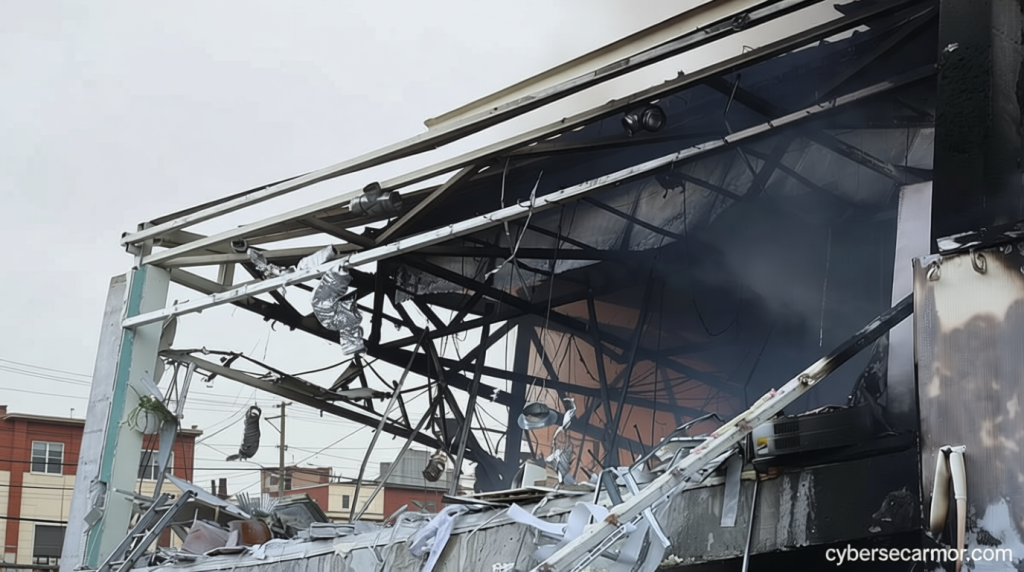
Among the casualties, twelve lives were lost in a Russian airstrike on Zaporizhzhia, a city in southern Ukraine. Local governor Ivan Federov confirmed the death toll, noting the attack targeted infrastructure in the region. Separately, Zelenskyy stated that at least five civilians were killed in an assault on Kramatorsk, a city in the Donetsk region, which remains under Kyiv’s control. He warned that the number of victims could climb as the conflict continues. “The attack hit directly in the city center, leaving civilians as its primary victims,” the president remarked, underscoring the devastation.
Additionally, local officials confirmed fatalities in Dnipro and Poltava, though exact figures were not disclosed. In the central Poltava region, an overnight strike claimed four lives, including employees of the state energy firm Naftogaz and first responders. The attack targeted a facility where emergency personnel were gathering, drawing sharp criticism from Ukraine’s Foreign Minister Andrii Sybiha. “Two of the killed were first responders, who were struck in a vile double-tap attack targeting those who arrived to assist people at the scene,” Sybiha stated, condemning the “criminal tactics” of the Russian forces.
Peace Efforts Amid Continued Violence
On Monday, Moscow announced a ceasefire during its World War II victory celebrations, which took place on 9 May. This decision was made to allow the city to host its annual parade, a symbolic event highlighting military strength. Since 2022, the parade has been used to connect the Soviet victory over Nazi Germany with the current invasion of Ukraine. However, this year’s version was scaled back, with no military hardware displayed due to fears of being targeted by Ukrainian forces. Zelenskyy criticized this move as a calculated attempt to mask ongoing aggression, calling it “utter cynicism” to negotiate a pause while launching daily strikes.
Kyiv, on the other hand, proposed a ceasefire beginning on 6 May, offering a potential window for diplomacy. The Ukrainian leader argued that Russia’s insistence on a ceasefire for its propaganda event was inconsistent with its relentless attacks. “Russia could cease fire at any moment, and this would stop the war and our responses,” Zelenskyy added, reflecting the urgency of the situation. The discrepancy between Moscow’s peace efforts and its military actions has intensified tensions, with both sides accusing each other of exploiting the ceasefire for political gain.
Retaliatory Strikes and Strategic Targets
In response to the Russian aggression, Kyiv has escalated its long-range strikes in recent weeks. These attacks have focused on Russian oil facilities and key infrastructure, including a luxury high-rise in Moscow. The Ukrainian military describes these strikes as fair retaliation for the nightly bombings of its cities by Russian drones and missiles. The strikes have disrupted supply lines and drawn attention to Moscow’s vulnerabilities, with the recent attacks on oil installations marking a shift in the conflict’s dynamics.
Meanwhile, the state emergency service in Russia reported that a Ukrainian drone attack on Cheboksary, a city in the Volga region, killed two individuals. The incident left 32 people injured when the drone struck an apartment block, hundreds of kilometers from the frontlines. This event highlights the reach of Ukrainian military operations, even beyond the eastern front. The Kremlin has expressed concern over the frequency of such attacks, which threaten both civilian populations and strategic assets.
Political Messaging and Propaganda
President Zelenskyy’s remarks during the attacks were framed as a direct challenge to Moscow’s narrative. By linking the 9 May parade to the ongoing war, he accused the Russian leadership of using the occasion to project strength while inflicting civilian harm. “The attack hit right in the city centre, targeting civilians,” Zelenskyy said, his words capturing the gravity of the situation. The parade, traditionally a display of Soviet-era military might, has become a stage for Russia to justify its actions, even as the death toll in Ukraine rises.
Historically, the 9 May parade has symbolized the Soviet victory over Nazi Germany, but its recent use as a backdrop for the invasion of Ukraine has drawn comparisons to the era of World War II. Zelenskyy’s condemnation of this “cynicism” reflects the broader Ukrainian perspective that Russia is manipulating historical symbolism to legitimize its current conflict. The scaled-back parade, which omitted military hardware, was reportedly an effort to reduce the risk of Ukrainian retaliation, yet it did not deter the attacks.
International Reactions and Future Prospects
The escalation in violence has prompted international scrutiny, with many observers questioning the sincerity of Moscow’s peace overtures. Despite the ceasefire proposal, the recent strikes have underscored the challenges in achieving a lasting truce. Zelenskyy’s call for immediate action highlights the urgency of the situation, as Ukrainian forces seek to balance defensive operations with the opportunity for diplomatic progress.
Analysts suggest that the 9 May parade may serve as a strategic move by the Kremlin to rally domestic support while maintaining a veneer of cooperation with Kyiv. However, the continued attacks raise doubts about Russia’s commitment to peace. The contrast between the ceremonial event and the brutal strikes has deepened the perception of Moscow’s dual strategy: using propaganda to bolster morale while sustaining military pressure on Ukraine. As the conflict drags on, the question remains whether such symbolic gestures will translate into tangible peace or merely be another layer of political maneuvering.
With the war entering its fourth year, the situation in Ukraine continues to evolve, marked by both resilience and despair. The recent strikes on 9 May have not only claimed lives but also reignited debates about the morality and tactics of the conflict. As Zelenskyy and his government push for accountability, the international community watches closely, awaiting the next chapter in this protracted struggle.

