
Russia launches new Soyuz-5 rocket from Kazakhstan cosmodrome in first test flight
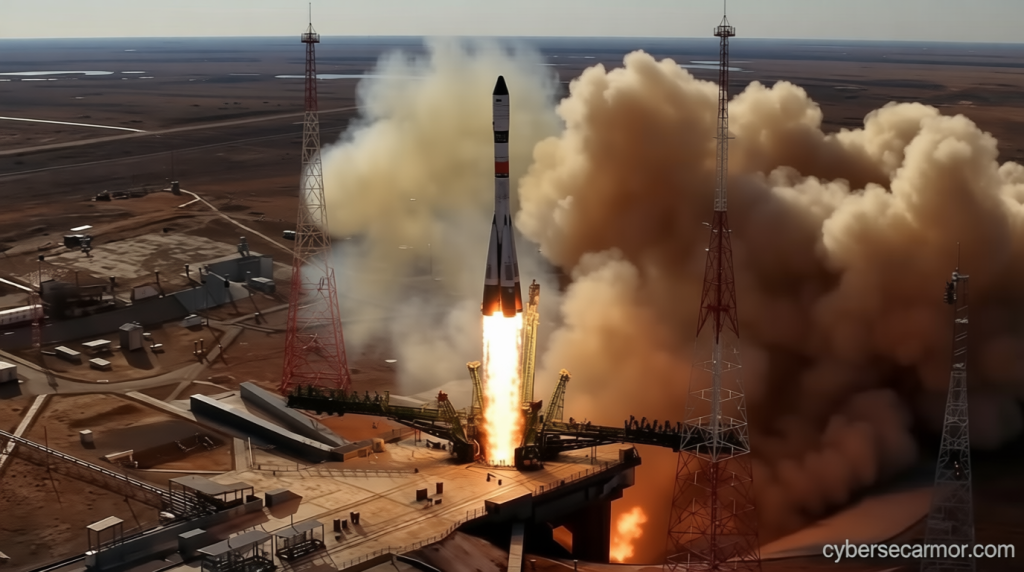
Russia Launches Soyuz-5 Rocket in First Test Flight
Russia launches new Soyuz 5 rocket – Russia successfully launched its latest Soyuz-5 rocket from the Baikonur Cosmodrome in Kazakhstan, marking the first test flight of the new spacecraft. The event, conducted on Friday, showcased the country’s ongoing efforts to advance its space program. The Soyuz-5, developed by Roscosmos, was designed to test cutting-edge technology and set the stage for future missions. This milestone highlights Russia’s commitment to innovation in aerospace engineering and its strategic use of Kazakhstan’s space facilities.
Technological Advancements and Mission Objectives
The Soyuz-5 test flight aimed to validate the rocket’s performance and ensure its readiness for upcoming missions. Equipped with a state-of-the-art liquid-fueled engine, the spacecraft demonstrated enhanced efficiency and reliability. Roscosmos reported that the mission achieved a planned suborbital trajectory, with a simulated payload deployed into the Pacific Ocean after the test. This success reinforces the rocket’s potential to support both scientific research and commercial space endeavors.
Key innovations in the Soyuz-5 include its improved payload capacity, which is expected to carry up to 17 tonnes of cargo. This increase offers significant advantages for space missions, reducing costs and expanding capabilities compared to earlier models. The design also incorporates environmentally friendly fuel components, aligning with global trends toward sustainable space exploration. These updates are crucial for Russia’s plan to maintain a competitive edge in the aerospace industry.
“The Soyuz-5 test flight is a critical step in our modernization efforts,” said a Roscosmos spokesperson. “It confirms the rocket’s reliability and opens new opportunities for international collaboration.”
Historical and Strategic Importance of Baikonur Cosmodrome
Located in Kazakhstan, the Baikonur Cosmodrome has been pivotal in space history since its inception. Originally a Soviet facility, it launched the first human spaceflight in 1961 and has since been a cornerstone of Russia’s space operations. Despite the dissolution of the Soviet Union, the partnership between Russia and Kazakhstan has persisted, with Russia retaining the lease on the site. This collaboration remains vital for the continued use of Baikonur as a launch hub.
The recent Soyuz-5 test flight underscores the cosmodrome’s enduring role in Russia’s space ambitions. While Kazakhstan has increasingly asserted its autonomy in space activities, the continued use of Baikonur highlights the mutual benefits of the alliance. The country’s 2021 decision to extend Russia’s lease until 2050 ensures long-term access to the facility, which remains one of the world’s most important launch sites. This partnership enables Russia to leverage Kazakhstan’s strategic location and infrastructure.
Global Implications and Future Prospects
The successful Soyuz-5 launch has drawn attention from international observers, signaling Russia’s progress in aerospace technology. As part of its modernization initiatives, the rocket is positioned to support a variety of missions, including satellite deployment and crewed flights. The test flight provided critical data for refining the spacecraft’s systems, ensuring it meets the demands of future operations. With its enhanced capabilities, the Soyuz-5 could play a key role in expanding Russia’s presence in space exploration.
Experts note that the Soyuz-5 represents a pivotal moment in Russia’s space program, offering a bridge between legacy systems and next-generation technology. While challenges such as fuel efficiency and payload optimization remain, the test flight marks a positive trajectory. As the global space industry evolves, Russia’s ability to innovate and adapt will be crucial in sustaining its leadership. The Soyuz-5’s performance also sets a precedent for future collaborations, both with Kazakhstan and international partners.

