
US President Donald Trump says ‘not satisfied’ with new peace proposal from Iran
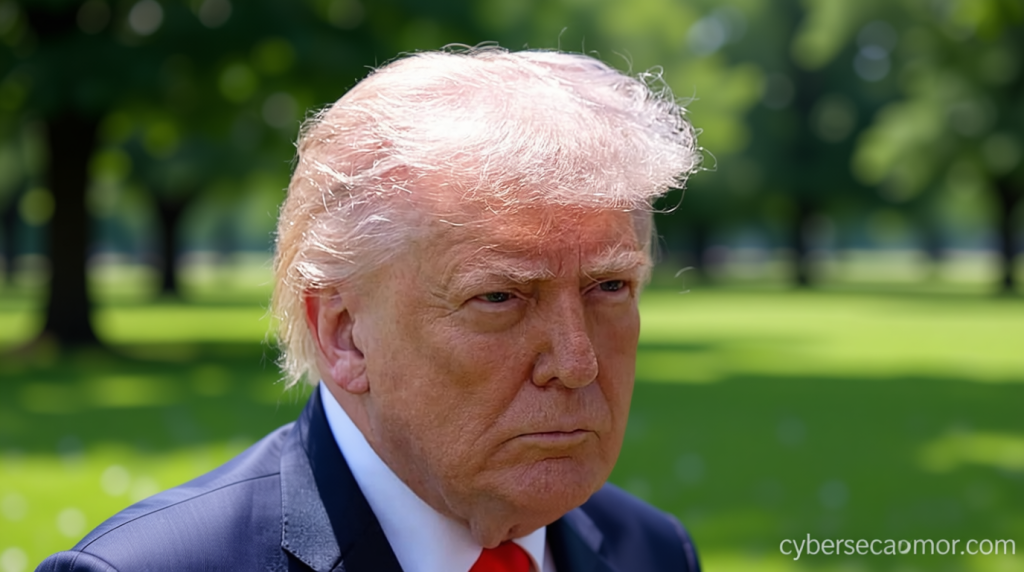
US President Donald Trump Expresses Dissatisfaction with Iran’s Peace Offer
US President Donald Trump says not satisfied – On Friday, US President Donald Trump stated he was “not satisfied” with a recent peace proposal put forward by Iran, leaving diplomatic negotiations between the two nations in a state of stagnation despite a weeks-long ceasefire. The proposal, handed over to Pakistan as a mediator, was shared with the public via IRNA news agency, though the Iranian side provided no specific insights into its content. Trump’s remarks, directed at reporters, highlighted the internal tensions within Iran’s leadership, which he claimed were the primary reason for the stalled talks. “At this moment, I’m not satisfied with what they’re offering,” he said, placing the blame on “tremendous discord” within Tehran. When pressed about the next course of action, Trump outlined two potential paths: either escalating military action to eliminate the threat entirely or pursuing a negotiated settlement. “Do we want to go and just blast the hell out of them and finish them forever, or do we want to try and make a deal? Those are the options,” he emphasized, expressing a preference for the latter on a human basis.
A Ceasefire in Place but No Resolution
The conflict, which began on 28 February with coordinated strikes by the United States and Israel, has been temporarily suspended since 8 April. However, only a single round of direct discussions has occurred between Iranian and US representatives, both sides failing to reach a mutual agreement. Meanwhile, Iran continues to assert control over the strategic Strait of Hormuz, disrupting global supply chains by blocking oil, gas, and fertilizer shipments. In response, the US has imposed its own counterblockade, targeting Iranian ports and restricting their access to international trade routes. Despite these economic pressures, the ceasefire has remained intact, with no signs of renewed hostilities.
Iran’s Negotiation Strategy and the White House’s Response
Iran’s judiciary chief, Gholamhossein Mohseni Ejei, reiterated the country’s commitment to dialogue in a statement, acknowledging that the Islamic Republic has “never shied away from negotiations.” However, he also stressed that Tehran would not accept any “imposition” of terms, underscoring its desire for autonomy in the talks. This stance aligns with the broader Iranian strategy, which balances the need for peace with the determination to maintain leverage. The White House has remained silent on the specifics of the new proposal, but reports suggest that US envoy Steve Witkoff has introduced amendments to a prior plan, reintroducing the issue of Iran’s nuclear program into the negotiations.
“The Islamic Republic has never shied away from negotiations,” said Gholamhossein Mohseni Ejei, the Iranian judiciary chief, in a video shared by Mizan Online. “We certainly do not accept imposition.”
Citing an unnamed source familiar with the situation, Axios reported that these amendments include a demand for Iran to cease moving enriched uranium out of sites bombed during the brief conflict last year, or to halt any activity in those areas while talks continue. This move appears to be an effort to address concerns about Iran’s nuclear capabilities, which have been a central point of contention in previous discussions. Trump, echoing the White House’s position, has argued that the ceasefire represents a “big victory” for the United States, even as the war powers authorization deadline looms.
Legal and Economic Pressures Mount
Washington is currently engaged in a legal debate over whether Trump has surpassed the 60-day deadline required to secure congressional approval for the war with Iran. Administration officials have maintained that the ongoing ceasefire has paused the clock on this timeline, providing a temporary reprieve. Trump reiterated this argument on Friday, insisting the current situation constitutes a “victory” and positioning the US as a strategic actor in the region. However, the domestic pressure on the administration is intensifying, with inflation rates rising and no clear resolution to the conflict in sight. The mid-term elections, scheduled for November, add another layer of urgency to the political landscape.
On the economic front, Iran is experiencing the consequences of its prolonged conflict with the US. New sanctions targeting three Iranian foreign currency exchange firms were announced on Friday, while the Treasury issued warnings to other entities about the risks of facilitating trade with Tehran through the Strait of Hormuz. The US military reported that its blockade had prevented Iran from exporting $6 billion worth of oil, a significant financial blow. Meanwhile, the global market remains volatile, with oil prices dropping nearly 5% following news of the Iranian proposal. Yet, prices still hover at about 50% above their levels before the war began, as traders navigate the uncertainty of the situation.
International Efforts to Reopen the Strait of Hormuz
As the strategic importance of the Strait of Hormuz remains central to the conflict, the European Union has taken steps to engage Iran in diplomatic efforts. An EU official confirmed that bloc leader Kaja Kallas had spoken with Iranian Foreign Minister Abbas Araghchi by phone on Friday, seeking ways to restore normal operations in the vital waterway. This interaction signals a willingness to explore economic and political solutions, even as the US continues to assert its military and economic pressure. The EU’s involvement highlights the growing interdependence of global powers in addressing the crisis, with Washington and Europe vying to influence Iran’s decisions.
The ongoing stalemate has sparked discussions about the broader implications of the conflict. While the ceasefire has held, the lack of progress in negotiations raises questions about the future of the war. Trump’s insistence on maintaining the status quo, coupled with Iran’s determination to resist imposed conditions, suggests that the conflict may persist for some time. The US’s legalistic approach to the war powers authorization deadline, however, has provided a temporary framework for continued engagement, allowing the administration to avoid immediate military escalation.
Global Markets and the Road Ahead
Despite the ceasefire, the economic fallout from the conflict continues to reverberate. The drop in oil prices following the Iranian proposal has eased some market concerns, but the prolonged closure of Hormuz has kept prices elevated. Analysts note that the Strait’s status as a critical chokepoint for global oil supplies means any disruption has far-reaching consequences. In this context, the US’s sanctions and Iran’s retaliatory measures have created a delicate balance, with both sides wary of further economic damage.
As the situation evolves, the focus remains on finding a resolution that satisfies both the US and Iran. The latest proposal, while not meeting Trump’s expectations, represents a step toward de-escalation. However, the path forward remains uncertain, with the potential for renewed hostilities or a breakthrough in negotiations. The role of international mediators, including Pakistan and the EU, will be crucial in determining the outcome of this complex standoff. With the domestic and global stakes high, the decision to continue the ceasefire or take more aggressive action will shape the trajectory of the conflict in the coming weeks.

