
French teen charged in Singapore over vending machine straw-licking viral video
French Teen Charged in Singapore for Viral Straw Licking Incident
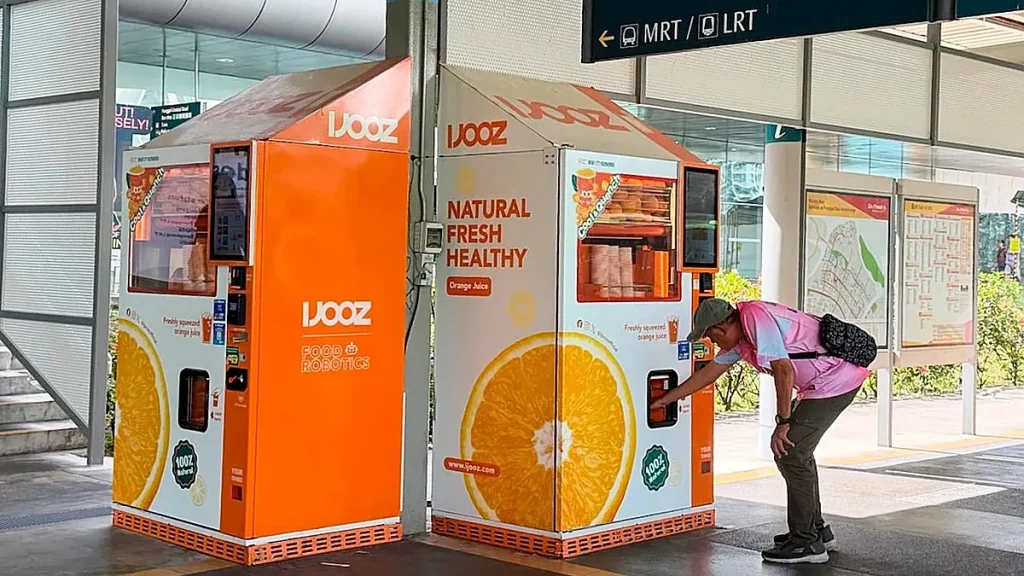
French teen charged in Singapore over – A 18-year-old French teenager has been formally charged in Singapore for a viral act of public mischief. The incident, which went viral online after a video of him licking a straw from an orange juice vending machine, sparked widespread discussion about personal expression and public hygiene standards. The video, uploaded to a social media platform, quickly gained traction, amassing hundreds of thousands of views and fueling debates on the line between playful behavior and rule-breaking in the city-state.
The Straits Times
reported that the teen, identified as Didier Gaspard Owen Maximilien, was charged on 24 April with mischief and public nuisance, though he has not yet entered a plea.
The Viral Act of Mischief
The act, captured on camera and shared across multiple platforms, shows Maximilien casually licking the straw from a vending machine before returning it to its place. While the gesture may seem trivial, it was perceived as an act of defiance in Singapore, a nation known for its rigorous maintenance of cleanliness and public order. The video’s rapid spread highlighted the teenager’s cheeky behavior, which resonated with both locals and international viewers. This incident underscores how even small actions can become emblematic of broader societal values and norms.
Maximilien’s actions were not isolated. The vending machine, located in a bustling shopping mall, became a focal point for public scrutiny. The video’s popularity reflects Singapore’s role as a hub for digital engagement, where incidents often gain national attention. Despite the lighthearted nature of the act, the legal system’s response emphasizes the city-state’s commitment to upholding standards, even for seemingly minor offenses.
Company Response and Preventive Measures
In response to the controversy, the vending machine operator, IJooz, took swift action by reporting the incident to the authorities and implementing new hygiene protocols. The company replaced all 500 straws in the dispenser and introduced measures to prevent future mishaps, such as individually packaged straws and secure compartments that unlock only after a purchase.
A statement from IJooz
highlighted the importance of maintaining cleanliness in public spaces, aligning with Singapore’s broader efforts to ensure public health and order.
The company’s response also included a commitment to transparency, as part of its strategy to rebuild trust with customers. IJooz’s decision to sanitize the machine and adjust its design demonstrates the influence of social media on corporate practices, even in a city-state with strict regulations. The incident has prompted discussions on whether such measures are necessary or if they reflect an overreaction to a minor act of whimsy.
Legal Implications and Court Proceedings
Singapore’s legal system treats mischief and public nuisance as offenses that affect communal spaces. Mischief, defined as deliberate damage or disruption to property, can lead to penalties ranging from fines to imprisonment. Public nuisance, while less severe, still carries consequences such as up to three months in jail or a monetary fine. The charges against Maximilien indicate that his act, though simple, was deemed a breach of the city-state’s emphasis on cleanliness and decorum.
Maximilien, currently enrolled in a French business school in Singapore, was granted leave to travel to Manila for a graduation-required school trip. The court’s decision to allow this travel while the case progresses reflects a balance between individual rights and legal obligations. His legal team has not yet provided comments, leaving the public to speculate on the potential resolution of the case. The incident has become a symbol of how Singapore’s laws are applied in everyday situations, even those that appear harmless at first glance.
Cultural Context and Strict Regulations
Singapore’s approach to public behavior is deeply rooted in its cultural identity and urban priorities. As a densely populated city-state, the government has established strict rules to ensure efficiency and cleanliness, such as banning the import of chewing gum to prevent littering. These regulations, while sometimes seen as stringent, are designed to maintain order and hygiene in public spaces. The case of Maximilien illustrates how these standards extend to even the smallest interactions, like a vending machine straw.
The incident also reflects the global reach of Singapore’s policies. With a reputation for cleanliness, the country’s legal actions in this case may serve as a reminder to visitors about local norms. While the video’s humor has been widely appreciated, it has also sparked conversations about the tension between individual creativity and collective responsibility. The French teen in Singapore’s situation highlights how social media can amplify both the novelty and the seriousness of such acts.

