
EU shouldn’t ‘humiliate’ itself by seeking direct talks with Russia, warns Kallas
EU Should Not ‘Humiliate’ Itself by Seeking Direct Talks with Russia, Warns Kallas
High Representative Kaja Kallas Urges Caution in EU-Russia Negotiations
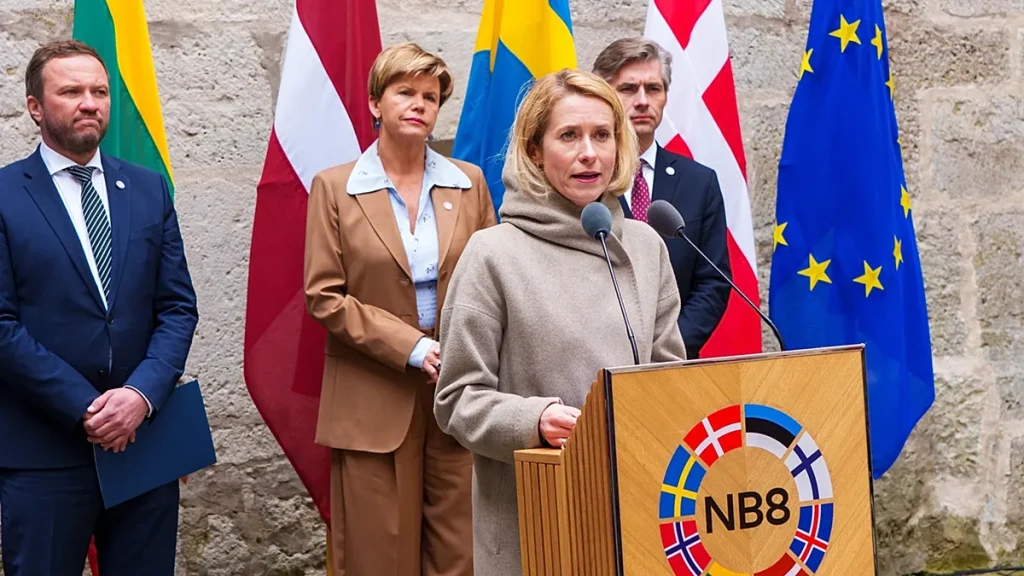
EU shouldn t humiliate itself by seeking – During an official visit to Estonia on Thursday, High Representative for Foreign Affairs Kaja Kallas cautioned that the European Union should not “humiliate” itself by pursuing direct negotiations with Russia to conclude the war in Ukraine. She emphasized the need for the bloc to avoid falling into Moscow’s “trap” of maximalist demands, which she argued could undermine the EU’s strategic position. Kallas’s remarks came as the bloc grapples with the geopolitical implications of engaging with a Russia that has shown reluctance to compromise.
“What we have witnessed so far indicates that Russia is not interested in engaging in meaningful dialogue. We must not allow ourselves to be the ones begging for conversation,” Kallas stated, underscoring the importance of maintaining a strong stance. She stressed that the EU should position itself to compel Russia from mere posturing to genuine negotiation.
The upcoming EU foreign ministers’ informal meeting in Cyprus on May 10 and 11 will focus on the “requests” the bloc should present to Moscow to secure post-war conditions. Kallas highlighted the necessity of setting clear expectations, ensuring that any agreement reflects the EU’s priorities. She noted that Russia is currently strengthening its military capabilities for a prolonged standoff with the West, and whether Putin decides to challenge NATO depends on the bloc’s resolve.
Ukraine’s Dignified Approach to Peace Talks
Ukrainian President Volodymyr Zelenskyy reiterated his nation’s commitment to a lasting peace, stating that his team was working to clarify the details of potential ceasefire discussions with the White House. Zelenskyy emphasized that Ukraine is prepared to engage in any format that ensures a long-term ceasefire, reliable security for its citizens, and a durable peace. “Our proposal includes a sustained pause in hostilities, guaranteed safety for people, and a peace that lasts,” he said, highlighting the country’s determination to avoid a return to the pre-war status quo.
Kallas criticized the US’s recent decision to offer Russia sanctions relief in exchange for a temporary ceasefire during Victory Day celebrations in Moscow. She argued that this move, prompted by the surge in global energy prices following the closure of the Strait of Hormuz, contrasts sharply with the EU’s approach. The bloc has already approved a new set of economic sanctions against Russia, demonstrating a unified front in its response to the conflict.
Geopolitical Dynamics and Strategic Divergence
Kallas also addressed the implications of the US-Russia phone call, which took place a day prior. She questioned the effectiveness of the dialogue, pointing out that Russia openly praised Iran’s campaign against the West. “Does this mean there is additional pressure on Russia because they are supporting Iran’s fight?” she asked, suggesting that the lack of visible tension in the Trump-Putin conversation indicates a missed opportunity to leverage Russia’s position.
The debate over whether the EU should directly engage with Russia to resolve the war has been a contentious issue since January, when French President Emmanuel Macron and Italian Prime Minister Giorgia Meloni endorsed the idea in separate statements. However, this proposal sparked sharp divisions among member states. While Austria, the Czech Republic, and Luxembourg backed the strategy, Germany, Estonia, Lithuania, and Cyprus expressed reservations. The discussion lost momentum after the US and Israel launched strikes against Iran, redirecting diplomatic focus toward the Middle East.
Despite the ongoing conflict in Ukraine, the EU’s stance on Russia remains unresolved. Last week, Belgian Prime Minister Bart De Wever suggested that the concept of EU-Russia talks had gained “mainstream thinking” among his colleagues. “We cannot allow this war to drag on indefinitely, with countless lives lost in vain,” De Wever argued, advocating for a swift resolution. His comments reflect a growing sense of urgency within some EU leaders, even as others remain cautious.
Context and Implications for Future Engagement
The EU’s hesitation to engage directly with Russia stems from concerns over Moscow’s willingness to negotiate. Kallas’s warning highlights the bloc’s fear that premature talks could embolden Russia, leading to a compromise that weakens Ukraine’s position. She pointed to the need for deterrence, stating that showing weakness invites aggression. “Deterrence works when it is credible,” she emphasized, warning that a lack of unity could erode the EU’s influence.
Analysts suggest that the EU’s strategy may evolve as the war progresses. The bloc’s focus on economic sanctions has been a key tool in pressuring Russia, but some members argue that a diplomatic approach is equally vital. Kallas’s remarks underscore the tension between these perspectives, with the EU needing to balance its punitive measures with the possibility of a negotiated settlement. The upcoming meeting in Cyprus will be a critical test of this balance, as leaders debate how to frame their demands.
The situation is further complicated by the shifting dynamics in global politics. The US’s decision to ease sanctions for a temporary ceasefire has drawn criticism from the EU, which views it as a concession to Russia’s military ambitions. Kallas called for the EU to maintain its position, asserting that the bloc’s commitment to Ukraine must not waver. “There can be no return to ‘business as usual’ with Russia,” she said, even after the war ends.
As the conflict continues, the EU faces the challenge of keeping its members aligned. The divergent views on direct talks reflect broader disagreements about how to handle Russia’s aggression. While some leaders see dialogue as a path to peace, others fear it may be a ploy to reduce Western pressure. The debate, however, remains central to shaping the EU’s response to the crisis and its long-term strategy toward Moscow.
Looking Ahead: A Strategic Crossroads
Kallas’s call for vigilance comes at a pivotal moment for the EU. The bloc must decide whether to prioritize immediate diplomatic engagement or continue its current approach of sanctions and support for Ukraine. The upcoming Cyprus meeting will likely set the tone for this decision, with foreign ministers expected to assess the risks and rewards of a direct negotiation strategy.
The outcome of these discussions could have significant ramifications for the war’s trajectory. If the EU manages to unify its position, it may present a stronger bargaining chip for Ukraine. However, if divisions persist, Russia could exploit the lack of cohesion to advance its interests. The stakes are high, and the EU’s ability to maintain a consistent message will be crucial in determining the success of its strategy.
In the broader context, the EU-Russia debate is part of a larger geopolitical shift. As global alliances evolve, the EU’s approach to diplomacy will be closely watched. Kallas’s warning serves as a reminder that the bloc must remain steadfast in its commitment to Ukraine, ensuring that any talks with Russia are both strategic and principled.
With the war entering its third year, the urgency to find a resolution has intensified. The EU’s position on direct engagement with Russia will not only impact the conflict in Ukraine but also define its role in international relations. As Kallas and her counterparts deliberate, the path forward will depend on their ability to balance diplomacy with deterrence, ensuring that the EU does not underestimate the complexities of dealing with a formidable adversary.

