
Poland’s social economy: EU-funded cooperative targets long-term unemployment
Poland’s Social Economy: EU-Funded Cooperative Targets Long-Term Unemployment
Poland s social economy – In the heart of Poland, a unique initiative is making strides against the persistent issue of long-term unemployment. The Arte cooperative, a non-profit enterprise, has emerged as a beacon of hope for individuals often overlooked by the commercial job market. By providing a structured environment and tailored support, the cooperative aims to reinvigorate the lives of those who have struggled to find stable employment for extended periods. This effort is anchored in the “Butterflies from Lower Silesia” project, a pioneering program designed to bridge the gap between unemployment and meaningful work.
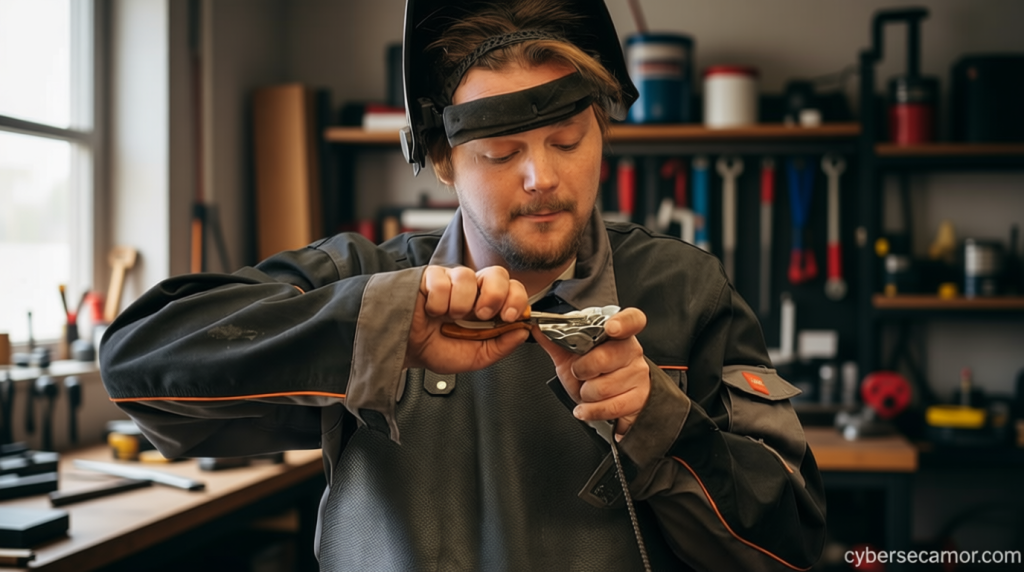
The project is funded with a total allocation of €630,000, a significant portion of which comes from the European Social Fund Plus (ESF+). As the EU’s primary tool for investing in human capital, ESF+ plays a critical role in supporting initiatives that align with the European Pillar of Social Rights. This financial backing allows the cooperative to offer technical training programs, such as European welding certifications, which equip participants with skills directly applicable to the labor market. These certifications not only enhance employability but also provide a pathway to sustainable careers for individuals like Artur Maciejewski, a beneficiary of the program.
What sets Arte apart is its emphasis on adaptive support systems. Unlike traditional employment models, the cooperative provides a flexible framework that accommodates the diverse needs of its participants. This approach is particularly vital for those facing complex challenges, such as health issues, lack of formal education, or limited access to job networks. By integrating both skill development and personalized assistance, the project fosters a sense of stability and progress, enabling individuals to transition from unemployment into productive roles.
Jarosław Pilecki, the cooperative’s president, highlights the unique value of this model. “Our approach creates a period of ‘normality’ and recovery that commercial firms often cannot,” he explains. This statement underscores the cooperative’s commitment to more than just job placement; it seeks to rebuild confidence and independence among participants. The initiative is not merely about filling positions but about transforming the lives of those who have been left behind by conventional economic structures.
While the Arte cooperative is a local success story, it is part of a larger movement within the European social economy. The European Commission estimates that there are over 4.3 million such organizations across the EU, collectively representing 11.5 million jobs. This figure accounts for approximately 6% of the total workforce, illustrating the sector’s growing importance in shaping the region’s economic landscape. Social economy enterprises, which include cooperatives, mutual societies, and non-profits, are increasingly recognized for their ability to address societal challenges through innovative employment strategies.
The social economy’s impact extends beyond employment statistics. These organizations often prioritize community well-being, environmental sustainability, and social equity. For instance, the “Butterflies from Lower Silesia” project not only reduces unemployment but also promotes local economic resilience by creating opportunities for underrepresented groups. By focusing on long-term integration, the cooperative helps participants build a foundation for future success, which is crucial in a region where unemployment rates can fluctuate due to economic shifts.
One of the project’s key strengths lies in its collaborative approach. The EU-funded model allows for partnerships between local organizations and regional stakeholders, ensuring that training programs are aligned with both national and international labor market demands. This collaboration is particularly important in Poland, where the social economy has been a vital component of regional development. By leveraging ESF+ resources, the cooperative can scale its efforts and reach a broader audience, including those in remote or economically disadvantaged areas.
Despite its successes, the project faces challenges. Long-term unemployment is a multifaceted issue, often linked to systemic barriers such as outdated vocational training, insufficient job matching services, and the stigma associated with prolonged joblessness. Arte’s model addresses these challenges by combining skill acquisition with mentorship and psychological support. Participants are not only trained in technical competencies but also guided through the emotional and logistical hurdles of re-entering the workforce.
The European Social Fund Plus, which provides 70% of the project’s budget, is instrumental in this endeavor. This fund is designed to support employment, education, and social inclusion across the EU, with a particular focus on vulnerable populations. By investing in initiatives like Arte, ESF+ reinforces the EU’s commitment to reducing disparities and fostering inclusive growth. The cooperative’s success demonstrates how these funds can be effectively utilized to create lasting change, even in the face of economic uncertainty.
Poland’s social economy sector has gained momentum in recent years, driven by both national and EU-level policies. The country’s strategic focus on social innovation has positioned it as a leader in this field, with numerous organizations adopting models similar to Arte’s. These efforts are part of a broader European strategy to ensure that no one is left behind in the pursuit of economic progress. As the EU continues to emphasize the social pillar of its economic framework, projects like “Butterflies from Lower Silesia” will play a critical role in achieving these goals.
Looking ahead, the cooperative aims to expand its reach and impact. Plans are in place to introduce new training modules tailored to emerging industries, such as renewable energy and digital technologies. This forward-thinking approach ensures that participants remain competitive in an evolving job market. Additionally, the cooperative is exploring partnerships with local businesses to create a more robust ecosystem of employment opportunities. Such collaborations could further strengthen the social economy’s role in Poland’s economic recovery.
By addressing the root causes of long-term unemployment and offering a holistic support system, Arte’s initiative exemplifies the potential of the social economy. It serves as a model for other EU nations seeking to replicate its success. The cooperative’s work highlights the importance of investing in human potential, not just as a means to reduce unemployment but as a strategy to build a more resilient and equitable society. As the European Commission continues to highlight the social economy’s contributions, projects like these will remain at the forefront of the EU’s efforts to promote inclusive growth and social cohesion.
EU Social Fund Plus: A Catalyst for Change
The European Social Fund Plus (ESF+) has been a cornerstone of the Arte cooperative’s success. With a budget of €630,000, the project’s reliance on ESF+ funding underscores the EU’s commitment to addressing employment challenges through targeted investment. The fund’s flexibility allows for the adaptation of programs to meet specific regional needs, making it an essential resource for organizations like Arte. By supporting technical training and adaptive oversight, ESF+ not only empowers individuals but also contributes to the broader goal of economic stability and social inclusion.
The ESF+ has a wide-ranging impact across the EU, funding projects that span from vocational training to social innovation. In Poland, its role is especially pronounced, as the country has been a key beneficiary of these resources. The fund’s ability to finance initiatives that combine education with practical experience has made it a vital tool in combating unemployment. For Arte, this funding has enabled the creation of a comprehensive support system, where participants are not just trained but also mentored through the complexities of reemployment.
Furthermore, the ESF+ aligns with the European Pillar of Social Rights, which outlines a vision for a fairer and more cohesive society. This pillar emphasizes the right to employment, decent working conditions, and social protection, all of which are central to the Arte cooperative’s mission. By investing in projects that target long-term unemployment, the EU ensures that its social policies are translated into tangible outcomes for citizens. The cooperative’s work is a testament to how these policies can be implemented effectively at the grassroots level.
As the EU continues to refine its social investment strategies, the role of ESF+ will remain critical. The fund’s ability to adapt to changing economic landscapes means that it can support both immediate needs and long-term solutions. For individuals like Artur Maciejewski, the support provided by ESF+ has been transformative, offering not just a job but a renewed sense of purpose. The cooperative’s success is a reminder of the power of collaborative funding models in driving social and economic progress.
Transforming Lives Through Skill Development
At the core of Arte’s mission is the belief that skill development is the key to overcoming unemployment. The cooperative’s technical training programs, such as European welding certifications, are designed to equip participants with the tools needed to secure employment. These certifications are not only recognized across the EU but also provide a pathway to higher-paying jobs and career advancement. For many individuals, this training represents a critical step toward financial independence and social reintegration.
Participants in the “Butterflies from Lower Silesia” project often come from backgrounds that make traditional employment difficult. The cooperative’s approach acknowledges these challenges and integrates them into its training model. By offering flexible oversight and personalized support, Arte ensures that each participant can navigate the complexities of the job market with confidence. This tailored support includes not only vocational training but also guidance on job applications, interviews, and workplace adaptation, creating a holistic approach to employment.
The impact of such programs is profound. For individuals who have been unemployed for years, the chance

