
EU loosens state aid rules as Middle East crisis hits energy costs
EU Loosens State Aid Rules as Middle East Crisis Hits Energy Costs
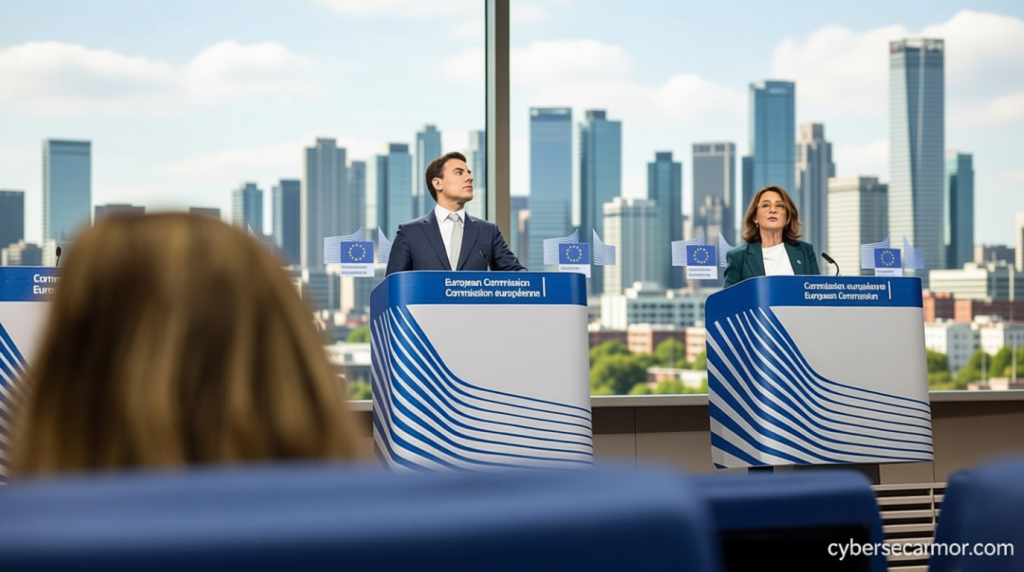
EU loosens state aid rules as Middle – The European Union is implementing relaxed state aid regulations to assist businesses reliant on energy, aiming to alleviate the financial strain caused by rising fuel prices and economic repercussions from the ongoing conflict in the Middle East. This decision was revealed by the European Commission on Wednesday, signaling a shift in policy to provide temporary relief to sectors such as agriculture, fisheries, and transportation. The move is intended to address immediate challenges while maintaining the integrity of the EU’s single market.
Targeted Subsidies for Energy-Intensive Sectors
Under the new framework, national governments are permitted to offer subsidies covering up to 70% of the additional costs incurred by fuel and fertilizers for businesses in energy-dependent industries. This adjustment expands the previous limit of 50%, offering greater flexibility to cushion the impact of surging energy prices. The measures apply specifically to farmers, fishing enterprises, and road transport operators, who have been disproportionately affected by the crisis.
“These targeted, temporary, and proportionate responses will help shield European businesses from the immediate consequences of the Middle East conflict,” stated Teresa Ribera, EU Commission Vice President, during the announcement. She emphasized that the changes are designed to provide swift support without undermining the EU’s competitive landscape.
The Middle East conflict has disrupted key energy supply routes, notably the Strait of Hormuz, leading to significant price hikes for essential resources. As a result, farmers have faced mounting challenges in covering the increased costs of fertilizers, while fishermen have questioned the viability of long-haul expeditions due to fuel expenses. Transport companies, too, have struggled with the financial burden, often choosing to absorb the costs, pass them on to consumers, or reduce operations to stay afloat.
Adapting Aid to Local Needs
With the new rules, EU member states can customize aid packages to meet the unique needs of their industries. For small hauliers, farmers, and fishermen, a fixed payment of up to €50,000 is available, with minimal bureaucratic hurdles. This approach streamlines support, allowing governments to respond quickly to local pressures. However, the measures also include provisions for larger industries, such as heavy manufacturing, which can now receive subsidies for up to 70% of their energy-related expenditures.
The temporary nature of the aid, set to remain in effect until the end of December, allows for flexibility while ensuring that the financial assistance is not a permanent solution. Recipients are required to estimate their costs rather than submit detailed documentation, reducing administrative delays. This simplification is expected to accelerate the distribution of funds to businesses in need.
Concerns Over Market Distortion
Despite the intended benefits, some critics argue that the loosened state aid rules may create disparities among EU nations. They highlight that larger countries with stronger fiscal resources, such as Germany, are likely to benefit more from the changes. According to Commission data, Germany has received approximately half of all approved aid since 2022, with over €73.67 billion allocated in 2022 alone—representing a third of the EU’s total support that year. Similar high levels of spending were recorded in 2023, raising questions about the potential for a subsidy race across the bloc.
While the measures are framed as a response to urgent economic pressures, concerns persist that they may prioritize the interests of larger economies over smaller ones. The EU’s traditional state aid rules aim to prevent competitive distortions by limiting financial support to specific industries. However, the current emergency measures allow for more direct intervention, potentially altering the balance of economic activity within the single market.
Supporting Autonomy and Resilience
Commission officials stress that the revised rules are necessary to counter the immediate effects of the energy crisis. “The framework enables governments to grant state aid for mitigating the immediate adverse effects on the most exposed European businesses, while preserving a level playing field in the Single Market,” Ribera said. She noted that the crisis has demonstrated the importance of energy independence, framing the new policies as a strategic step toward securing Europe’s autonomy and resilience.
The measures are expected to provide financial relief to businesses within the next two months, though the pace of implementation will vary by country. By allowing subsidies to be allocated more swiftly, the EU aims to stabilize industries before the impact of the energy price surges becomes more severe. This includes supporting production lines that have slowed due to higher electricity costs, ensuring continuity in critical sectors.
Greg Van Elsen, a senior industrial policy coordinator at the Climate Action Network Europe, raised concerns about the long-term implications of the policy. “These temporary changes risk spending billions subsidizing fossil-based energy costs instead of accelerating Europe’s clean industrial transition,” he said. He pointed out that the absence of decarbonization conditions means the measures may only serve as a short-term fix, rather than a comprehensive strategy for reducing reliance on non-renewable resources.
Van Elsen also suggested that the new rules could increase demand for natural gas, as businesses seek more stable and affordable energy sources. While the immediate goal is to stabilize the economy, critics warn that the focus on fossil fuels might delay progress toward sustainable energy solutions. This debate underscores the tension between addressing current economic challenges and maintaining long-term environmental objectives.
As the EU navigates this crisis, the revised state aid framework represents a pragmatic response to urgent needs. However, its success will depend on how effectively it balances immediate relief with the broader goal of fostering a sustainable and competitive economic environment. The coming months will be critical in determining whether this approach supports the EU’s long-term vision of energy autonomy or exacerbates existing inequalities within the bloc.

