
Energy prices push up inflation in Germany and Spain ahead of ECB decision
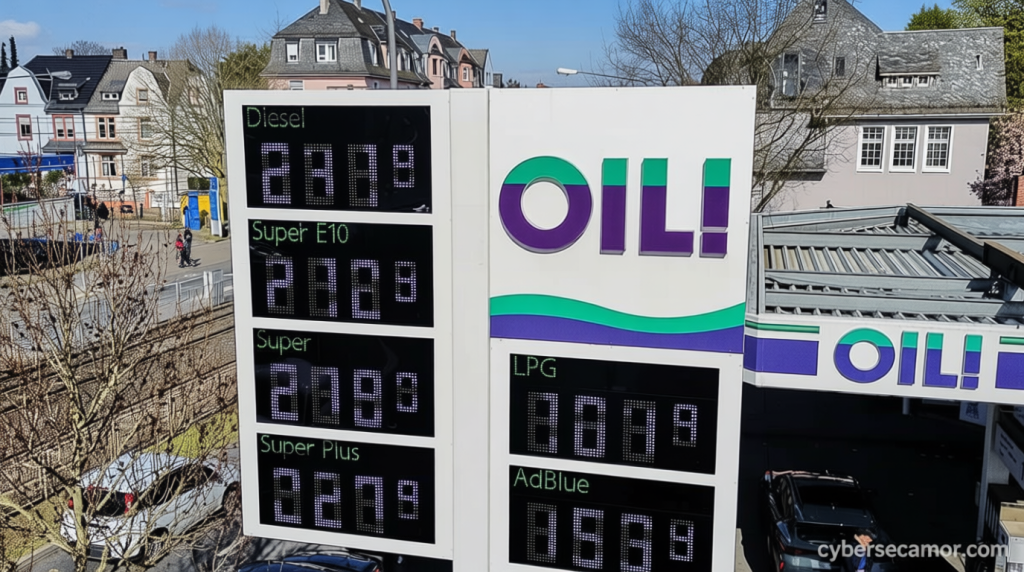
Energy Prices Push Up Inflation in Germany and Spain Ahead of ECB Decision
Energy prices push up inflation in Germany – The European Central Bank (ECB) faces mounting pressure as inflationary pressures surge across key eurozone economies, with Germany and Spain reporting elevated price increases in April 2026. These figures, released ahead of the ECB’s critical rate decision on Thursday, highlight the ongoing challenges posed by volatile energy markets and geopolitical tensions. Analysts are closely watching how these trends might influence the central bank’s strategy to curb inflation, which has consistently exceeded its target of 2% over recent months.
Germany’s annual inflation rate hit 2.9% in April, according to preliminary data from the Federal Statistical Office. This marks the highest level in the country since January 2024, underscoring a persistent rise in consumer costs. The EU-harmonised CPI, which measures inflation across the eurozone, increased by 0.5% month-on-month in April 2026, following a 1.2% rise in March. This upward momentum is largely attributed to soaring energy expenses, which have climbed by over 10% compared to the same period in 2025. The escalation is linked to the ongoing Middle East conflict and disruptions in global energy supplies, including the recent closure of the Strait of Hormuz after US–Israeli strikes.
Spain also reported a significant increase in its inflation rate, with the EU-harmonised annual figure reaching 3.5% in April. This is the highest level since June 2024, up from 3.4% in the previous month. Monthly inflation rose by 0.7%, slightly surpassing expectations, and follows a 1.7% increase in March. While this growth is notable, it is part of a broader pattern of inflationary pressures affecting the eurozone, which the ECB aims to address through its monetary policy.
The ECB’s decision-making process is being scrutinized in light of these developments. The central bank is set to announce its next interest rate adjustment in Frankfurt, where officials will weigh the economic impact of rising prices. Inflation data from France and Italy, along with a eurozone-wide reading, will be released on the same day. The eurozone’s expected 3% inflation rate, the highest since 2023, suggests that the ECB may need to consider further rate hikes to stabilize the region’s economic outlook.
Germany’s Inflation Surge
Germany’s inflationary pressures are driven by a combination of factors, with energy costs playing a central role. The country’s annual inflation rate of 2.9% in April reflects a continued rise in fuel and electricity prices, which have become a major concern for households and businesses alike. The EU-harmonised CPI, a standardised measure used across the eurozone, showed a 0.5% monthly increase, indicating that inflation is not only persistent but also showing signs of acceleration in certain sectors.
Energy prices have surged more than 10% compared to the previous year, primarily due to the ongoing Middle East conflict and the disruption of global energy markets. The closure of the Strait of Hormuz, triggered by US–Israeli strikes, has further exacerbated supply chain issues, pushing up the cost of crude oil and other energy sources. These developments have had a cascading effect on consumer prices, particularly in sectors reliant on energy, such as transportation and manufacturing.
In addition to energy costs, other factors are contributing to inflation in Germany. The non-EU-harmonised data reveals that food inflation edged up to 1.2% from 0.9%, reflecting higher prices for essential goods. Meanwhile, services inflation eased slightly, dropping from 3.2% to 2.8%. However, the core inflation rate, which excludes food and energy, fell to 2.3%, its lowest level since June 2021. This suggests that while energy and food prices are driving inflation, the underlying core rate remains relatively stable.
Spain’s Rising Inflation
Spain’s inflationary situation has also shown signs of acceleration, with the EU-harmonised annual rate climbing to 3.5% in April 2026. This is the highest level since June 2024 and follows a 1.7% monthly increase in March. The rise in prices is attributed to a mix of factors, including energy costs and broader economic conditions. The Spanish government has taken steps to mitigate the impact, approving a package of 80 measures to address the surge in energy prices.
Among these measures, a reduction in VAT on fuel has been implemented to provide immediate relief to consumers. However, the effect of these policies is yet to be fully realised, as non-EU-harmonised data indicates that electricity prices have fallen slightly, partly due to government interventions. Despite this, fuel and lubricant prices for personal vehicles have continued to rise, reflecting the ongoing challenges in the energy market. The Iranian conflict has also played a role, as it has disrupted energy supplies and increased the cost of oil imports.
While the Spanish government has taken steps to stabilise the situation, the inflationary trend suggests that further action may be necessary. The non-EU-harmonised figures highlight the uneven impact of energy price increases, with some sectors experiencing declines and others continuing to see growth. This divergence underscores the complexity of inflation dynamics within the eurozone, where regional differences in economic structure and policy responses can lead to varied outcomes.
Broader Eurozone Implications
The inflationary trends in Germany and Spain are part of a larger pattern affecting the eurozone. With energy costs remaining a key driver, the ECB is under pressure to respond effectively. The central bank’s decision on Thursday will be crucial in determining the next steps for monetary policy, as it seeks to balance growth and price stability. Analysts are divided on whether the ECB will

