
Breaking news. UAE leaves OPEC, citing national interest in ‘a new energy age’
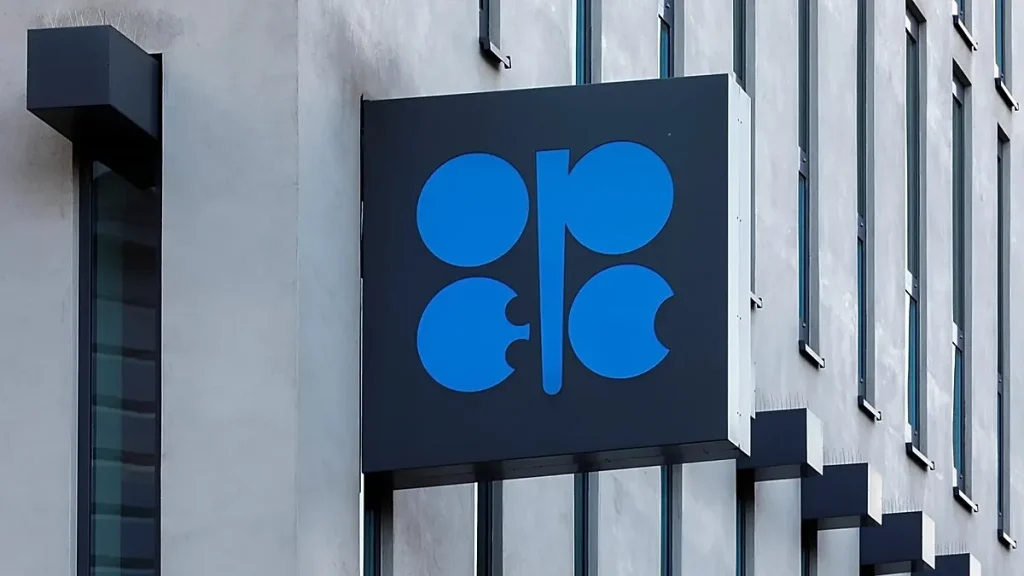
Breaking News. UAE Leaves OPEC, Citing National Interest in ‘A New Energy Age’
news UAE leaves OPEC citing national – On Tuesday, the United Arab Emirates made the unexpected decision to exit the Organisation of the Petroleum Exporting Countries (OPEC), effective 1 May. This move marks a pivotal shift in the country’s energy strategy, as it aims to prioritize its own economic and strategic goals over collective OPEC agreements. The UAE’s statement, released by state news agency WAM, emphasized that the decision stems from a renewed focus on national priorities and the need to adapt to evolving global energy dynamics.
Strategic Shift and Market Commitment
The UAE outlined its rationale, stating that the departure from OPEC is a result of a thorough assessment of its production policies and the country’s capacity to meet both current and future energy demands. The statement highlighted that the decision reflects the nation’s dedication to serving its investors, customers, and partners while maintaining stability in international oil markets. “The time has come to focus our efforts on what our national interest dictates,” the UAE asserted, underscoring its intent to operate independently in a rapidly changing energy landscape.
“The UAE’s decision is driven by national interests and its commitment to actively contributing to meeting the urgent needs of the market, particularly given the ongoing geopolitical volatility in the near term,” the statement said.
This announcement comes amid heightened tensions in the Gulf region, where Iran’s blockade of the Strait of Hormuz has disrupted global oil flows. The UAE’s departure signals a broader realignment of power in the international oil market, as it seeks to position itself as a leader in shaping supply strategies without the constraints of traditional OPEC alliances. Analysts suggest that this move could redefine the balance of influence among oil-producing nations, especially as the global energy crisis intensifies.
Historical Context and Criticisms
For years, the UAE has been a key player within OPEC, often advocating for increased production to stabilize prices and support regional economies. However, the country has increasingly expressed frustration with the organization’s response to Iran’s recent attacks on Gulf states. The UAE claimed to absorb the majority of Iranian missiles and drones, yet its OPEC counterparts were perceived as slow to act. “The UAE has made significant contributions and even greater sacrifices for the benefit of all,” the statement said, highlighting its role in sustaining oil supplies during times of crisis.
“The UAE has previously criticised the OPEC members for inaction and lack of support during Iran’s attacks on the Gulf state, which absorbed most of the Iranian missiles and drones,” the news agency noted.
The UAE’s stance reflects a growing confidence in its ability to manage its energy resources autonomously. By prioritizing its own interests, the country aims to leverage its position as a major oil producer to secure better terms in a competitive market. “The UAE is a trusted producer of some of the world’s most cost-competitive and lower-carbon barrels, which will play an important role in supporting global growth and emissions reduction,” the statement added, showcasing its dual focus on economic growth and environmental sustainability.
Implications for Global Energy Dynamics
The UAE’s exit from OPEC is expected to create ripples across the global energy sector. As one of the world’s largest oil producers, the country’s decision could challenge the cohesion of OPEC’s traditional power structure. The alliance, which accounts for approximately a third of global oil production, may struggle to maintain its influence without the UAE’s support. This shift also signals a potential realignment of partnerships, with the UAE seeking to collaborate more directly with non-OPEC nations to address supply fluctuations.
Experts warn that the UAE’s move could accelerate the transition toward a more diversified energy market, where individual countries play a larger role in shaping supply and demand. The timing of the decision, coinciding with Iran’s ongoing disruptions of the Strait of Hormuz, adds urgency to the UAE’s strategy. “This decision aligns with the UAE’s long-term strategic and economic vision and the development of its energy sector,” the statement said, emphasizing the country’s forward-looking approach.
“It reinforces the UAE’s commitment to its role as a responsible and reliable producer that anticipates the future of global energy markets,” the statement added.
Despite its departure, the UAE has pledged to remain a stable and predictable source of energy. “The UAE will continue to act responsibly,” the statement said, reassuring global markets of its dedication to maintaining supply consistency. This assurance comes as oil prices fluctuate due to geopolitical uncertainties and the increasing demand for cleaner energy sources. The UAE’s focus on lower-carbon production aligns with global trends toward sustainability, positioning it as a bridge between fossil fuels and renewable energy.
Geopolitical Volatility and Future Outlook
Analysts point to the broader geopolitical context as a catalyst for the UAE’s decision. Disruptions in the Arabian Gulf, coupled with the ongoing tensions over the Strait of Hormuz, have created an environment where oil-producing nations must act swiftly to protect their interests. “The decision enhances the UAE’s ability to respond to evolving market needs,” the statement noted, highlighting its readiness to adapt to these challenges.
The UAE’s ambition to lead a new energy age is not limited to oil. The country has been investing heavily in renewable energy projects, including solar and wind power, to reduce its reliance on fossil fuels. This diversification strategy is seen as a key factor in its decision to exit OPEC, as it aims to align its energy policies with long-term sustainability goals. “The UAE is committed to contributing effectively to meeting the market’s pressing needs,” the statement said, reflecting its vision for a balanced energy portfolio.
While some OPEC members may view the UAE’s departure as a setback, others see it as an opportunity to modernize the organization. The UAE’s exit could encourage other nations to reassess their participation in OPEC, potentially leading to a more flexible and dynamic structure. “This is a developing story, and our journalists are working on further updates,” the article concluded, indicating that the full implications of the decision may take time to unfold.
As the energy market evolves, the UAE’s move underscores the growing importance of national autonomy in global oil production. With its emphasis on cost-competitive and environmentally friendly practices, the country is poised to influence the future of energy markets in ways that may redefine the role of OPEC itself. The next steps for the UAE and its partners will be closely watched, as the world continues to navigate the complexities of energy supply and demand.

