
Qatar pushes ahead with North Field expansion despite LNG disruptions
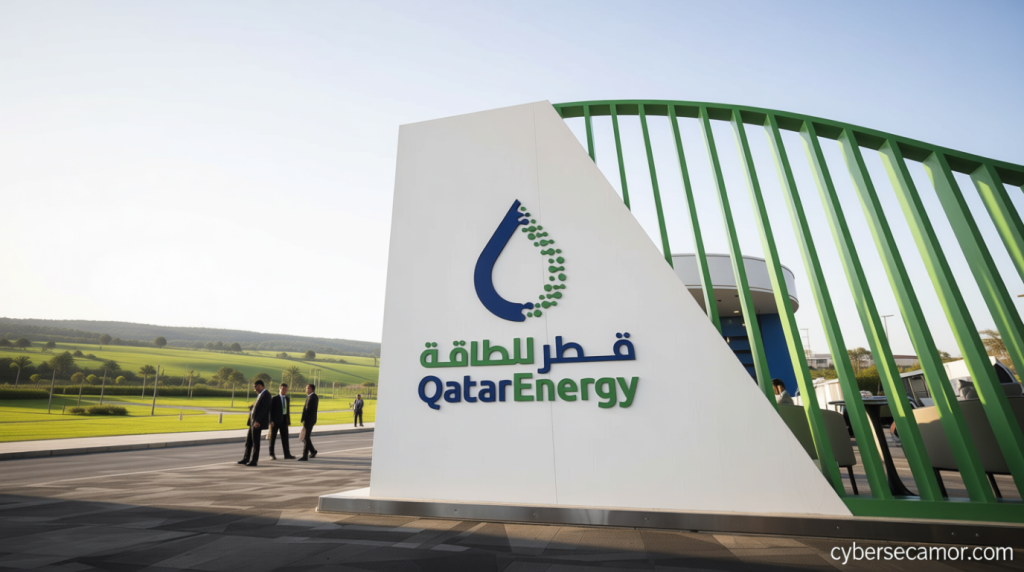
Qatar Pushes Ahead with North Field Expansion Despite LNG Disruptions
Qatar pushes ahead with North Field – Amid ongoing challenges in liquefied natural gas (LNG) production and exports, Qatar remains steadfast in its commitment to expanding the North Field gas project. The country’s energy sector, which has long been a cornerstone of global supply, continues to advance its long-term strategy to solidify its position as a top LNG exporter. These efforts are underscored by recent developments in infrastructure contracts, which signal sustained investment in large-scale energy projects despite regional tensions affecting supply chains.
New Investment in LNG Infrastructure
American oilfield services firm Baker Hughes has announced a significant contract with QatarEnergy for the North Field West (NFW) initiative, as revealed in its first-quarter 2026 financial report. This agreement, which includes critical components for two LNG mega trains, spans a range of essential equipment such as six gas turbines, twelve centrifugal compressors, and integrated power systems. These systems are vital for the liquefaction process that converts natural gas into a transportable form. The deal reflects the continued importance of energy infrastructure development, even as temporary setbacks in LNG output complicate the timeline for full-scale operations.
“This contract marks a major milestone for the North Field West project,” said a spokesperson for Baker Hughes. “The scope of work includes state-of-the-art machinery that will support Qatar’s ambitious growth in LNG production.”
Expanding Production Capacity
The North Field West phase is part of Qatar’s broader plan to significantly boost its LNG output, aiming to elevate annual production from 77 million tonnes to 142 million tonnes once all expansion stages are completed. A key element of this strategy is the addition of two new production lines, which are projected to contribute approximately 16 million tonnes per year. This expansion not only enhances the country’s energy export capabilities but also positions it to meet rising global demand for natural gas. The project has already seen engineering, procurement, and construction (EPC) contracts awarded to an international consortium, with initial production expected to commence in the latter part of the decade.
Carbon Capture and Environmental Initiatives
As part of its environmental commitments, the North Field expansion incorporates a carbon capture and transport facility capable of sequestering up to 4.1 million tonnes of carbon dioxide annually. This initiative aligns with Qatar’s goal to reduce the carbon footprint of its energy operations while maintaining output levels. By integrating such technologies into new infrastructure, the country seeks to balance economic growth with sustainability, a critical consideration in the context of global climate goals and energy transition trends.
Regional Tensions Impact Supply Chains
Qatar’s progress in the North Field expansion has occurred alongside disruptions in LNG output, which are attributed to escalating tensions in the Strait of Hormuz. Recent data from industry sources indicate a noticeable decline in production volumes and a sharp reduction in LNG exports, partly due to challenges in maintaining export capacity. These interruptions, while temporary, have raised concerns about the reliability of energy supplies from the Gulf region, which plays a pivotal role in global LNG markets. Analysts note that the complexity of repairing critical infrastructure and the lengthy lead times for specialized equipment are contributing to a slower-than-anticipated recovery.
Recovery Timeline and Strategic Resilience
Despite the current hurdles, Qatar has maintained its long-term vision for LNG expansion, emphasizing the resilience of its energy strategy. The country’s focus on diversifying its infrastructure and investing in advanced technologies has allowed it to mitigate some of the disruptions caused by regional conflicts. Global demand for natural gas continues to rise, driven by factors such as the shift toward cleaner energy sources and the need for reliable power generation in industrial sectors. Energy security concerns, particularly in Europe and Asia, have further reinforced the importance of Qatar’s role as a key supplier, ensuring that the expansion remains a priority despite short-term challenges.
Industry Momentum and Sectoral Growth
Baker Hughes’ recent contract with QatarEnergy highlights the ongoing momentum in the LNG sector, which is experiencing robust investment activity. The company reported total orders of $8.2 billion (€7 billion) in the first quarter of 2026, a figure influenced by strong demand for energy infrastructure and LNG-related projects. This growth is indicative of the sector’s adaptability to market fluctuations and its role in addressing global energy needs. The North Field, the world’s largest non-associated gas field, remains central to Qatar’s ambitions, as it is the backbone of the country’s energy export strategy and its efforts to maintain a competitive edge in international markets.
Industry experts suggest that the North Field expansion is not only a response to current disruptions but also a forward-looking initiative to ensure long-term energy stability. The project’s ability to add substantial production capacity underscores Qatar’s strategic importance in the global gas market. Even as regional tensions create volatility, the country’s commitment to advancing its LNG infrastructure demonstrates a proactive approach to securing its position as a leading supplier. The integration of carbon capture technology further reinforces Qatar’s dual focus on economic growth and environmental responsibility, positioning it as a model for sustainable energy expansion in the region.
With global energy demand showing no signs of waning, Qatar’s continued investment in the North Field project is a testament to its resilience. The nation’s ability to navigate supply chain challenges while maintaining production targets highlights the effectiveness of its energy management strategies. As the Gulf region faces increasing pressure to meet international energy needs, Qatar’s commitment to expansion ensures it remains a critical player in shaping the future of global LNG supply. The North Field’s expansion is expected to play a defining role in this dynamic landscape, offering a blueprint for other energy producers seeking to balance growth with environmental stewardship.

