
Jet fuel crisis: Who are the latest European airlines to cancel or suspend flights?
Jet Fuel Crisis: Who Are the Latest European Airlines to Cancel or Suspend Flights?
Jet fuel crisis – The ongoing Middle East conflict has sent shockwaves through Europe’s airline industry, driven by soaring jet fuel prices. As the International Air Transport Association (IATA) reported, costs for kerosene have surged by 105.7% since last year, creating a ripple effect that has forced several carriers to reassess their summer schedules. Airlines such as Turkish Airlines, Transavia France, and Lufthansa are now grounding aircraft and halting routes to manage rising operational expenses. This has left travelers scrambling as plans for the season are thrown into uncertainty.
Airlines Adapting to Rising Fuel Costs
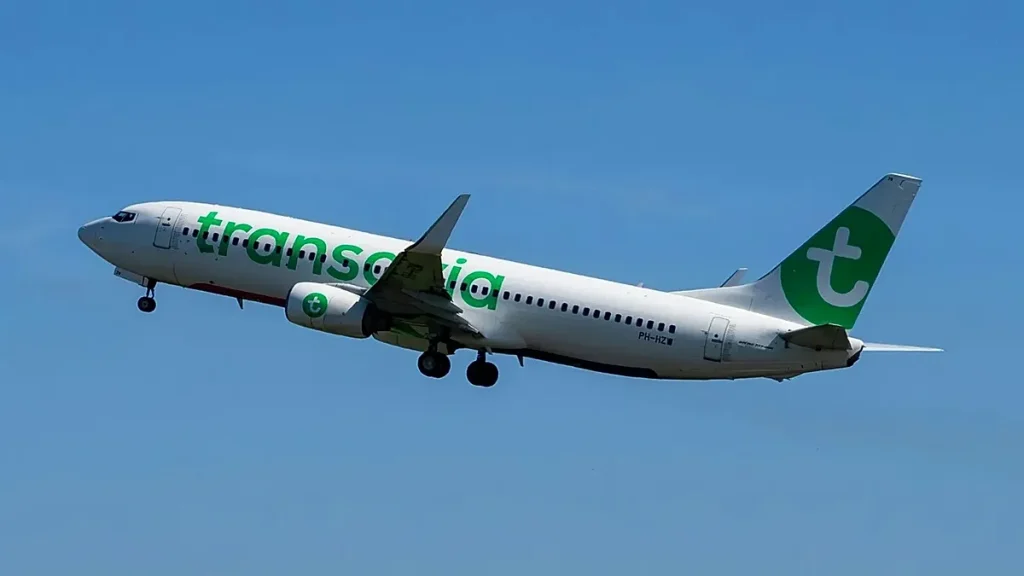
Transavia, a Dutch-based carrier under the Air France-KLM umbrella, has announced the cancellation of select flights between May and June. The low-cost airline explained that these adjustments were necessary due to the current geopolitical landscape in the Middle East, which has drastically increased aviation fuel expenses. Affected passengers will have the option to receive vouchers, full refunds, or free rebooking within 24 hours. While the airline provided a general explanation for the disruptions, it did not specify which particular routes are impacted.
KLM, the Netherlands’ flagship carrier, has also taken action by suspending 160 flights to and from Schiphol Airport in May. This accounts for less than 1% of its total European operations during that period. The Dutch carrier attributed the decision to the escalating costs of kerosene, which have made certain routes unprofitable to maintain. Meanwhile, Türkiye’s national carrier, Turkish Airlines, is reportedly adjusting its network by suspending 18 routes and reducing flight frequencies across Europe, Africa, and Asia.
Regional Impacts and Route Adjustments
According to Aeroroutes, an independent tracking platform, Turkish Airlines will see significant changes in its summer and early winter schedules. Some of the most affected routes include the Istanbul to Hurghada connection, where the last flight is scheduled for 2 June, and all 2027 services have been removed. The airline has also suspended several international destinations, such as Aqaba, Billund, Bissau, Ferghana, Freetown, Havana, Juba, Kinshasa, Kirkuk, Leipzig/Halle, Libreville, Luanda, Lusaka, Monrovia, Najaf, Pointe Noire, and Turkistan. These alterations are expected to take effect starting in May.
In Angola, the National Civil Aviation Authority has been informed that flights to the capital, Luanda, will be suspended from 3 May until 25 November. This pause aims to allow the airline industry to adjust operations before resuming flights once conditions stabilize. The impact of these changes is not limited to Europe; in Sarajevo, services will be reduced to two weekly flights from June, while flights from Zagreb will see a similar decline, with three weekly services ending by July.
Passenger Repercussions and Financial Strategies
As the crisis deepens, airlines are implementing various financial strategies to offset the burden on their budgets. SunExpress, a joint venture between Turkish Airlines and Lufthansa, has introduced a €10 “temporary fuel surcharge” for passengers traveling from Türkiye to Europe starting in May. This additional fee applies to all routes and will affect travelers booking flights on or after 1 April for journeys beginning on 1 May. The Independent in the UK highlighted this development, noting the surcharge as a direct response to the energy cost spike.
Lufthansa, the German airline, has also made headlines by grounding 20,000 flights in a bid to manage expenses. The company’s decision reflects the broader trend of airlines scaling back operations to preserve profitability. However, not all carriers are increasing fares. German tourism giant TUI has assured customers that those who have already booked holidays will not face price hikes. Neil Swanson, managing director of TUI UK & Ireland, stated in a statement to the press: “Our teams are here to support people who are thinking about booking, and those who have already booked with TUI can be reassured that their holiday price is fixed, with no fuel surcharges added.”
Long-Term Effects on the Aviation Sector
The recent surge in fuel prices is not just a short-term issue but has the potential to reshape the aviation sector for months to come. With carriers forced to make immediate cuts, the question remains whether these adjustments will lead to permanent changes in flight schedules or if the market will stabilize as supply chains adapt. Industry analysts suggest that the crisis could influence demand, with travelers potentially shifting to alternative modes of transport or rerouting their journeys to avoid the most affected routes.
Transavia’s decision to suspend flights between May and June has already disrupted several popular destinations, creating a domino effect across the European travel network. The airline’s emphasis on offering flexible solutions to passengers—such as vouchers or refunds—aims to mitigate customer dissatisfaction. However, the lack of transparency regarding which specific routes are being cut has raised concerns among travelers. This ambiguity could lead to confusion, especially for those who rely on these flights for regular commutes or seasonal travel.
Turkey’s flag carrier, Turkish Airlines, has faced a dual challenge: the suspension of routes and the addition of new ones. Despite halting 18 routes, the airline recently expanded its UK network by introducing London Stansted services, adding 15 weekly flights. This strategic move highlights the company’s efforts to balance cost-cutting with maintaining market share. The addition of new routes may also signal a long-term shift in the airline’s operational focus, potentially prioritizing high-demand corridors over less profitable ones.
Broader Implications for Travel and the Economy
The disruption caused by the fuel crisis is not only impacting airlines but also influencing the broader economy. With travel plans uncertain, the tourism industry may experience a slowdown, particularly in regions heavily reliant on air travel. The Independent noted that TUI’s decision to keep prices stable could provide some relief to customers, but it also underscores the pressure airlines are under to manage costs without passing them on to passengers.
As the situation evolves, it is crucial to monitor the effectiveness of these measures. The suspension of routes and the introduction of surcharges are likely to remain in place until fuel prices stabilize. For now, travelers are advised to stay informed about their airline’s latest updates and consider alternative options to ensure their plans remain on track. The aviation sector, while resilient, is facing its toughest challenge in recent years, and the response to this crisis will determine its ability to recover in the coming months.
Despite the challenges, some airlines are adopting innovative solutions to minimize the impact on their customers. For instance, Transavia’s focus on immediate compensation for affected passengers demonstrates a commitment to maintaining trust in the face of adversity. However, the extent of these measures will depend on the severity and duration of the fuel price crisis. As the market continues to adjust, the ripple effect of the Middle East conflict will likely persist, shaping the European aviation landscape for some time to come.

