
Germany suspects Russia of Signal phishing attacks targeting politicians
Germany Suspects Russia of Signal Phishing Attacks on Politicians
German and international intelligence agencies have reiterated warnings about cyberattacks targeting lawmakers and government officials through the Signal messaging platform. These incidents are attributed to a “state-backed cyber entity,” with the German government asserting that Russia is the likely perpetrator. A spokesperson for the federal administration confirmed to AFP that the phishing campaign is “presumed to originate from Russia.”
Phishing attempts involve messages sent by Signal support, which trick users into entering a PIN, opening a link, or scanning a QR code. Success of the scam grants hackers access to messages, chat groups, and shared files, allowing them to mimic the user’s identity. The exact number of affected lawmakers remains undisclosed, though local media suggest at least 300 political accounts were compromised.
“The number of unreported cases is set to grow in the coming days,” said MP Konstantin von Notz, who serves as deputy head of the intelligence oversight committee. “At this stage, no one can confirm whether the confidentiality of parliamentary communications is fully intact,” he added.
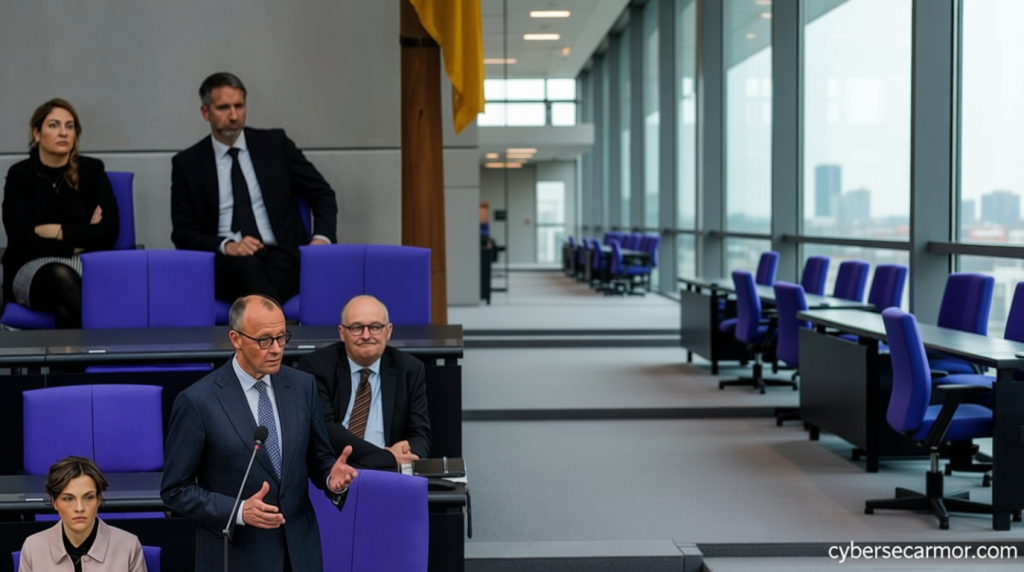
In addition to politicians, civil servants, diplomats, military personnel, and journalists were also targeted. The Bundestag is now considering measures to address the breach. While Vice-President Andrea Lindholz (CSU) opposes a total ban on Signal, she proposed limiting the desktop version on official computers.
Germany has been a key supplier of military support to Ukraine since Russia’s full-scale invasion in 2022, making it a frequent target of cyber threats, espionage, and sabotage. Moscow has consistently denied involvement in such activities.

