
This 9-seat plane takes off in 50 meters. Norway hopes it will connect people in remote areas
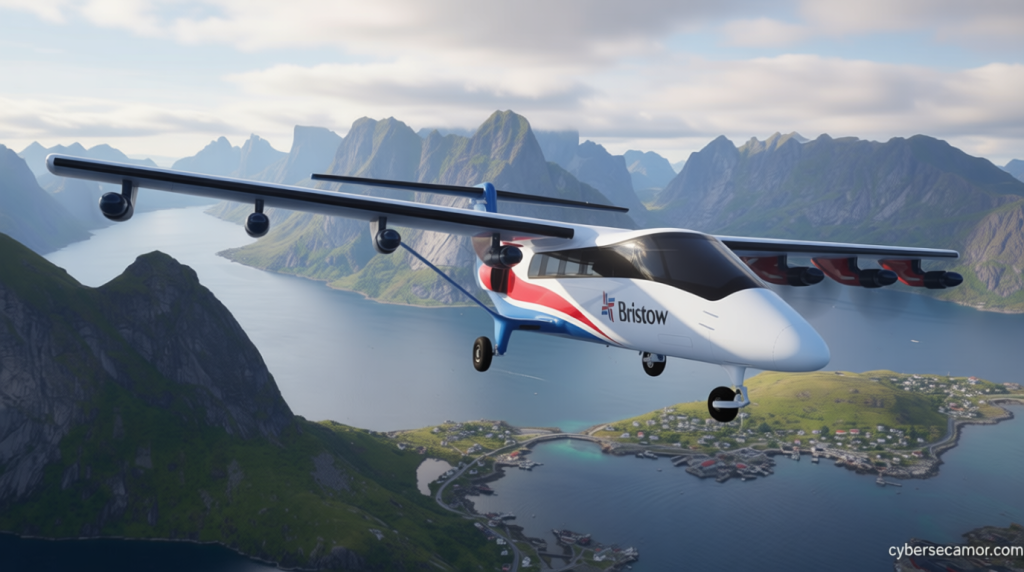
This 9-seat plane takes off in 50 meters. Norway hopes it will connect people in remote areas
Norway’s Test Project for Ultra-Short Takeoff Aircraft
Norway is taking flight innovation to a new level, aiming to revolutionize mobility in rural regions through a groundbreaking test project. This initiative, launched by the Norwegian Civil Aviation Authority, involves hybrid aircraft capable of operating from unconventional sites such as parking lots or drone pads. The US-based Electra company’s Ultra Short EL9 model is at the center of the effort, requiring no traditional runway and allowing takeoff and landing in as little as 50 meters.
Minister Highlights Project’s Strategic Role
“This project represents a critical advancement in Norway’s international test arena for zero- and low-emission aviation,” stated Jon-Ivar Nygård, the Norwegian Transport Minister. “In a country as vast and sparsely populated as ours, where air travel is vital for connectivity, understanding how to integrate new technologies safely and responsibly is key,” he emphasized.
Enabling Access to Remote Communities
The hybrid aircraft’s design allows for direct flights over challenging landscapes and waterways, offering a viable solution for areas lacking existing infrastructure. It could land in open fields, linking underserved communities to major airports and reducing reliance on lengthy car trips. The EL9’s range spans 80 to 800 kilometers, making it suitable for regional travel where conventional planes or helicopters fall short.
Global Efforts in Short-Range Aviation
Testing will commence in 2027 at smaller airports in Northern Norway before expanding to novel access points without runways. Meanwhile, other nations are advancing similar technologies, such as the Heart Aerospace prototype, which can travel 400 kilometers using electric power and sustainable fuels. Dubai plans to introduce flying cars by late 2026, though such innovations still face hurdles like battery limitations and regulatory complexities.
Challenges and Infrastructure Development
Despite progress, electric planes and eVTOL vehicles encounter significant obstacles, including limited battery life, air traffic management systems, and the need for new infrastructure. European aviation authorities are actively working on these issues, with Geneva and other cities exploring drone taxi networks. In Italy and France, airport operators are preparing for air taxi services, though exact timelines for their launch remain undisclosed.

