
Iranian foreign minister heads to Moscow for meeting with Putin after second Pakistan trip
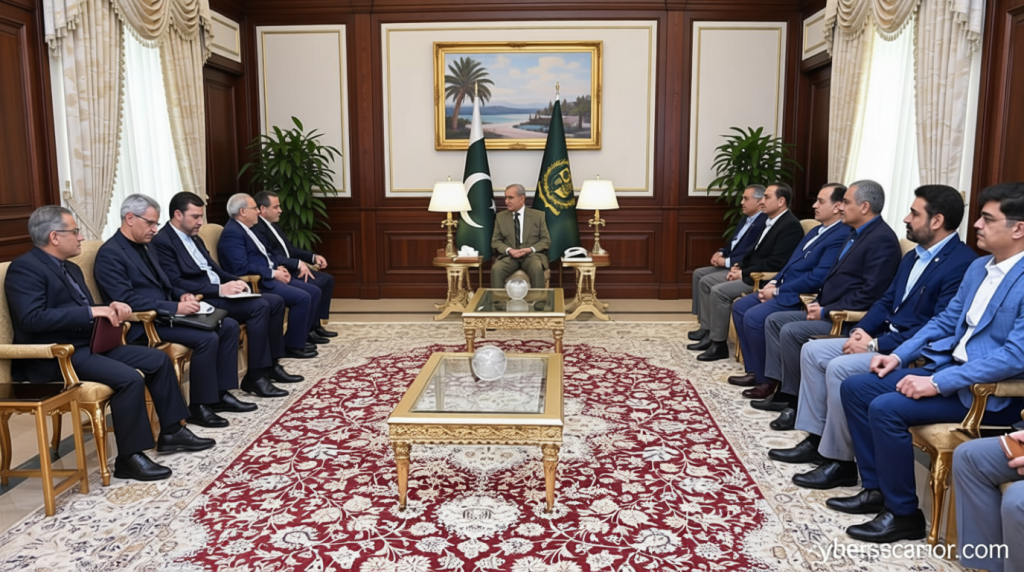
Iranian Foreign Minister’s Diplomatic Journey Continues
Abbas Araghchi, Iran’s foreign minister, returned to Pakistan on Sunday following the cancellation of a U.S.-led diplomatic mission to Islamabad by President Donald Trump. The Iranian leader departed the country late that night, en route to Moscow for a meeting with Russian President Vladimir Putin the following day.
Messages and Strategic Intentions
According to Iran’s ISNA news agency, Tehran conveyed ‘written messages’ to Washington through Pakistani intermediaries, focusing on ‘key concerns of the Islamic Republic of Iran, such as nuclear matters and the strategic significance of the Strait of Hormuz.’ These communications were not linked to formal negotiations, as per the agency.
Iranian state media indicated that the second visit aimed to communicate ‘Iran’s stance and perspectives on establishing a comprehensive framework to conclude the war.’ During his first visit to Islamabad on Friday and Saturday, he met with Pakistan’s military chief Asim Munir, a key mediator, Prime Minister Shehbaz Sharif, and Foreign Minister Ishaq Dar.
U.S. Cancellation and Trump’s Remarks
Initially, U.S. special envoy Steve Witkoff and Jared Kushner, Trump’s son-in-law, were set to travel to Pakistan on Saturday for an ‘in-person dialogue’ with Iranian officials. However, Trump canceled the visit, arguing that ‘there was no need to engage in idle discussions.’
“They gave us a paper that should have been better and—interestingly—immediately when I cancelled it, within 10 minutes, we got a new paper that was much better,” Trump told reporters.
Later that evening, a shooter was apprehended at the White House correspondents’ dinner, though Trump suggested the incident was unrelated to Iran. On Sunday, he declared, ‘We’re done with this. We hold all the leverage. If they wish to engage, they may approach us directly or contact us via phone—our secure lines are available.’
Escalating Regional Conflicts
Meanwhile, the crucial Hormuz oil and gas corridor remains closed, showing no signs of reopening. Iran’s Revolutionary Guards stated on their Telegram channel that ‘maintaining control of the Strait of Hormuz and projecting the deterrent impact of Islamic Iran over America and its regional allies is a

