
El-Sisi warns Middle East faces ‘attempts to redraw map’, calls for Gulf role in any Iran deal
El-Sisi warns Middle East faces ‘attempts to redraw map’, calls for Gulf role in any Iran deal
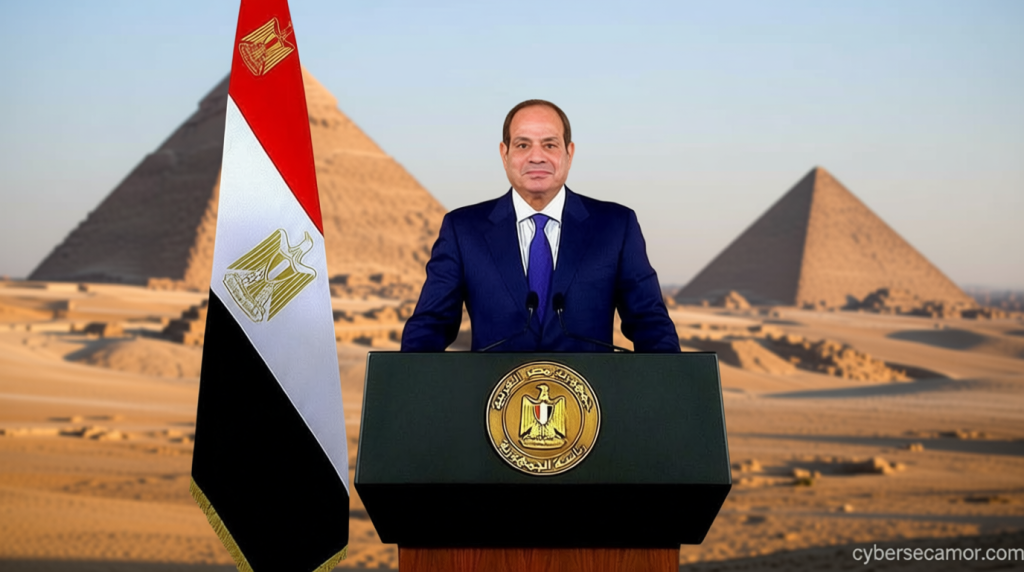
On Saturday, Egyptian President Abdel Fattah el-Sisi cautioned that the Middle East is confronting deliberate efforts to alter its borders, driven by extremist ideologies. He highlighted the threat of growing instability spreading across the region, which he linked to the ongoing conflict involving Iran. Speaking during a televised address to commemorate Sinai Liberation Day, el-Sisi emphasized the importance of upholding national sovereignty and territorial boundaries, rejecting initiatives that seek to divide states or exploit their resources.
In a recent gathering in Nicosia, the capital of Cyprus, Arab and EU leaders convened to discuss the Iran war’s regional ramifications. El-Sisi, participating in the meeting, underscored that any agreement with Iran must consider the security interests of Gulf nations. He warned that current developments could disrupt regional stability, maritime trade routes, and global economic systems, particularly energy markets and supply networks.
El-Sisi also stressed that political resolutions and diplomatic talks remain the only viable route to long-term peace. He urged partners to prioritize cooperation and reconstruction, rather than escalating hostilities. Additionally, he reiterated Egypt’s commitment to enforcing the second phase of the Gaza ceasefire, ensuring unrestricted humanitarian aid and immediate rebuilding efforts. The president condemned attempts to displace Palestinians and called for an end to recurring attacks in the occupied West Bank.
“Any potential deal with Iran must account for the security concerns of Gulf states,” el-Sisi stated. He further noted that recent events carry significant implications for regional stability, maritime navigation, and the global economy, especially energy supplies and supply chains.
Qatari officials joined the call for unimpeded movement through key crossings, warning that ongoing restrictions on aid access could lead to severe humanitarian crises. They expressed concerns over Israeli violations of the ceasefire and the impact of limited humanitarian support on the agreement’s next stages, stressing that these obstacles threaten progress toward lasting peace.

