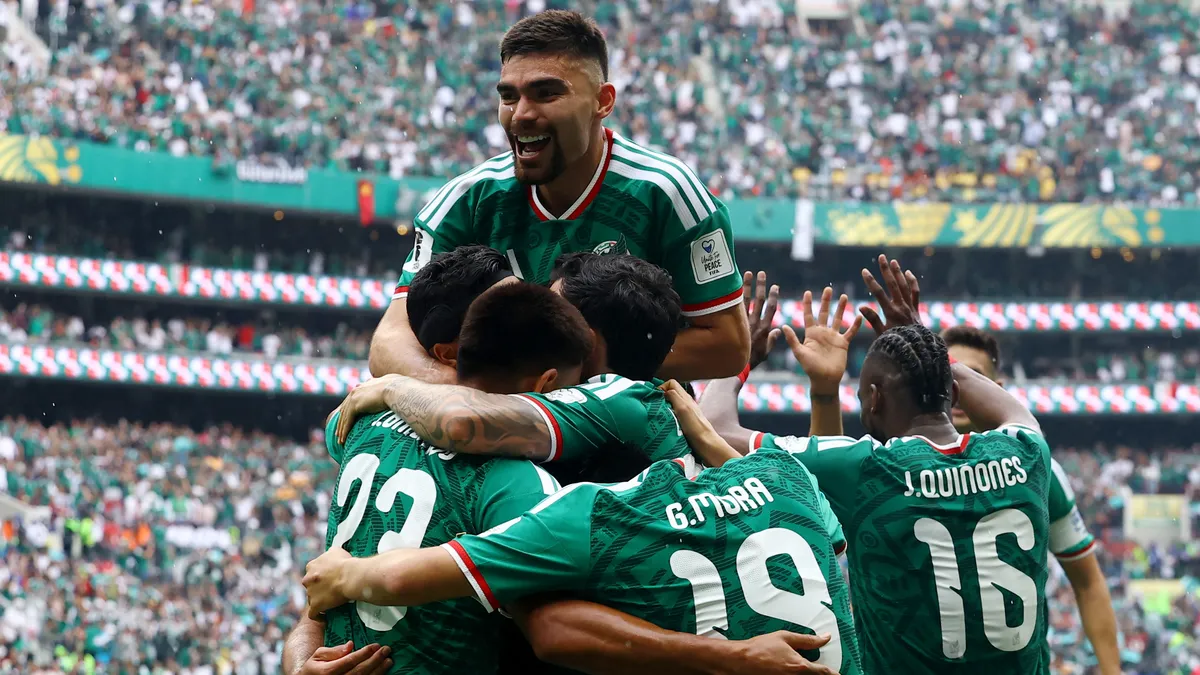
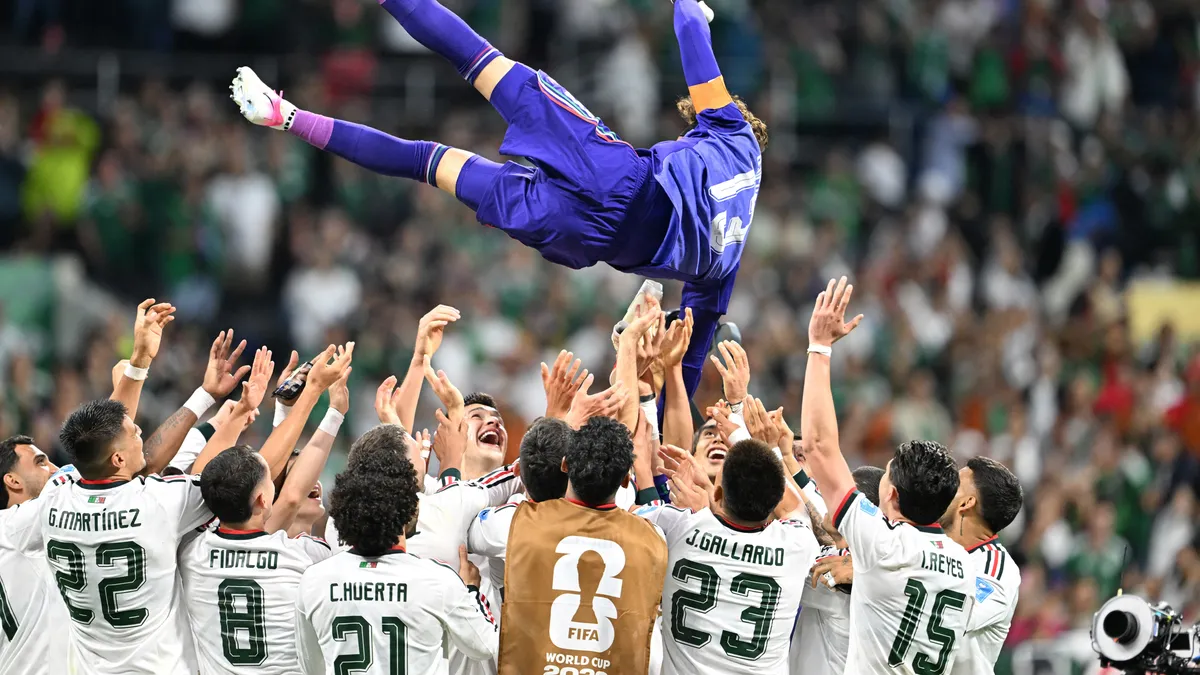
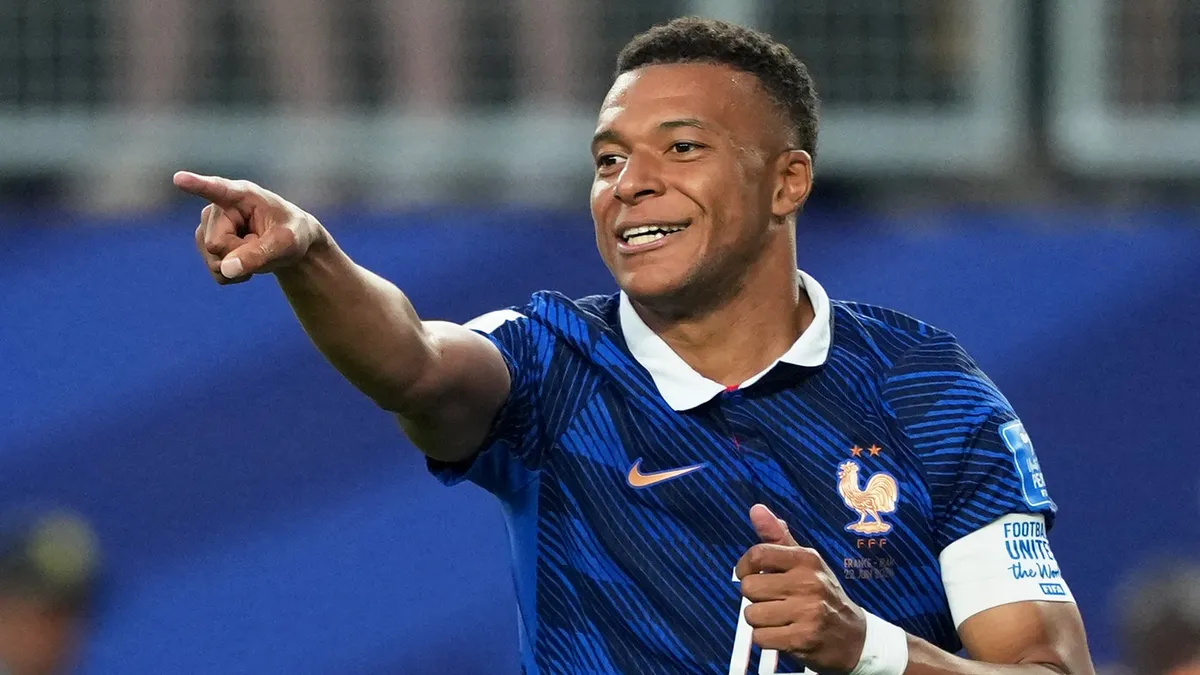
Trump lobbied FIFA president to review Folarin Balogun’s suspension

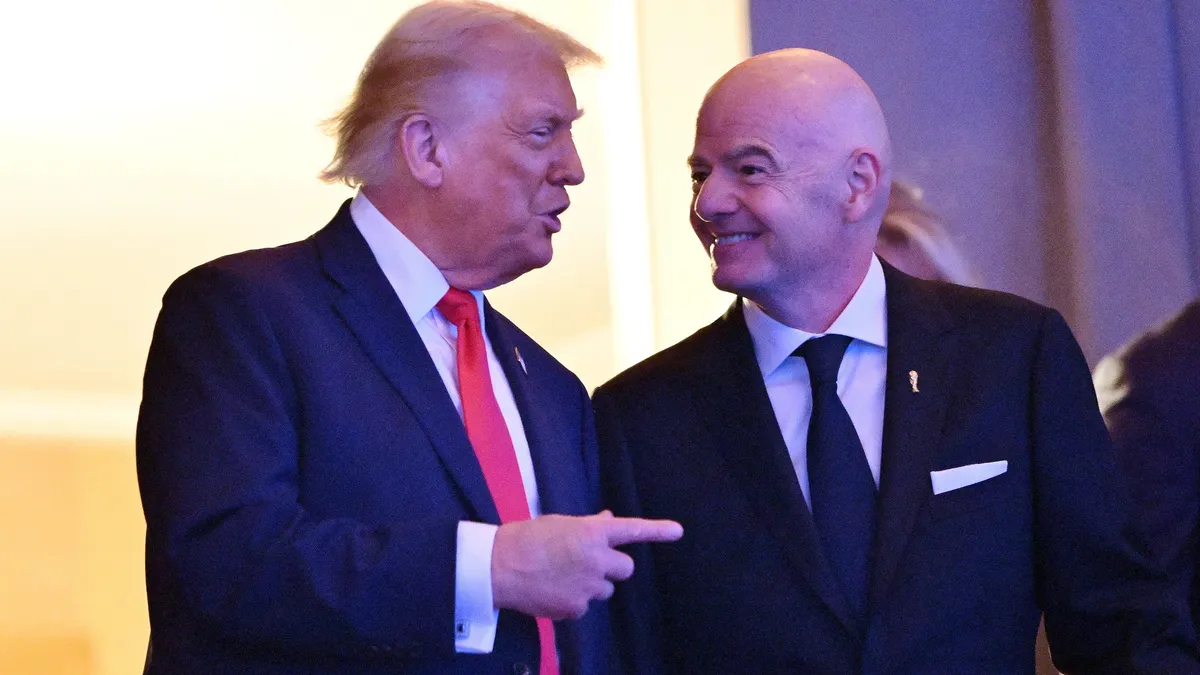
Trump Advocates for Balogun’s Red Card Review, FIFA Reverses Suspension
Cybersecarmor.com – President Donald Trump intervened in a pivotal moment during the 2026 FIFA World Cup, reaching out to FIFA President Gianni Infantino on July 1 to request a reevaluation of the controversial red card handed to U.S. Men’s National Soccer Team forward Folarin Balogun, a source close to the conversation revealed. This call sparked speculation about the White House’s influence on the decision, which was ultimately reversed just four days later on July 5. The reversal not only reinstated Balogun’s participation but also provided the U.S. team with a critical advantage ahead of their crucial round of 16 clash against Belgium, set to take place in Seattle on July 6.
FIFA’s Decision and Its Implications
FIFA’s reversal of Balogun’s suspension marked a significant shift in the disciplinary process, highlighting the flexibility within the federation’s rules. The player, who had been sidelined for the next match following a red card in the U.S. vs. Bosnia-Herzegovina game, was cleared under a probationary period outlined in FIFA’s regulations. This decision underscored the potential for high-profile cases to influence procedural outcomes, even if the exact role of Trump’s intervention remains unclear.
“Doing what was right, and reversing a great injustice!”
Trump celebrated the outcome on his Truth Social platform, expressing gratitude to FIFA for their “correct” decision. His post emphasized the importance of fairness in sports governance, though it did not specify the details of his communication with Infantino. The president’s active involvement in the case was seen as a strategic move to support the U.S. team, particularly as Balogun had been the team’s top goal scorer in the tournament.
Trump and Infantino’s Growing Alliance
The Trump-Infantino relationship has evolved into a mutually beneficial partnership over the past year. Trump frequently hosted Infantino at the White House, showcasing the administration’s commitment to strengthening ties with global sports bodies. In return, Infantino awarded Trump the FIFA Peace Prize in a symbolic gesture of goodwill. This connection likely played a role in the swift reversal of Balogun’s suspension, though FIFA’s official statement cited its disciplinary rules as the primary justification.
FIFA’s disciplinary code allows for the suspension of a sanction if a player’s offense is deemed minor or if there is new evidence. In Balogun’s case, the federation cited Article 27 of its code, stating that the judicial body may decide to fully or partially suspend a disciplinary measure. The player was then placed on a one-year probationary period, during which the suspension could be revoked if he repeated similar infractions. This provision, while standard in FIFA’s framework, became notable due to its application in a high-stakes scenario.
Red Card Controversy and Its Aftermath
Balogun’s red card in the U.S. vs. Bosnia-Herzegovina match had ignited debate among fans and analysts. The decision came after the player’s foot landed on an opponent’s ankle during a critical moment, with critics arguing the penalty was excessive. FIFA’s reversal aimed to balance accountability with the player’s contributions to the team, particularly as the U.S. sought to advance in the tournament. The timing of the decision coincided with the team’s preparations for their next match, raising questions about the influence of political considerations in sports adjudication.
The New York Times first reported Trump’s direct call to Infantino, prompting further scrutiny of the process. While FIFA acknowledged the reversal, it did not explicitly mention Trump’s involvement in the decision. Instead, the federation focused on the technicalities of its rules, emphasizing that the action was consistent with established procedures. This approach, however, left room for speculation about the broader implications of the White House’s role in the case.
FIFA’s Precedents and the Role of High-Profile Cases
FIFA’s decision to reverse Balogun’s suspension echoed a similar case involving Portugal’s Cristiano Ronaldo. In 2025, Ronaldo had been banned for three matches after receiving a red card in a qualifier against Ireland. However, the federation invoked the same probationary rule to allow him to return for the 2026 World Cup’s opening matches, underscoring the potential for such provisions to be used strategically. Balogun’s case, while unique, followed a comparable pattern, with FIFA prioritizing the player’s value over the severity of the initial penalty.
Despite the reversal, FIFA maintained that the decision was grounded in its own protocols. A statement from the federation noted that the “implementation of the match suspension is suspended for a probationary period of one year,” with the sanction being enforced only if Balogun committed a similar offense again. This nuanced approach highlighted FIFA’s ability to adapt its rulings to individual circumstances, even as it navigated the intersection of politics and sports governance.
Public Reaction and Ongoing Scrutiny
The reversal of Balogun’s suspension was met with mixed reactions. While some praised FIFA for correcting its error, others questioned the transparency of the process, especially given Trump’s involvement. USA TODAY sought clarification on the White House’s influence, but FIFA did not immediately respond, leaving the debate open. Critics argued that the decision could set a precedent for political interference in disciplinary actions, while supporters contended that it reflected FIFA’s responsiveness to global stakeholders.
For the U.S. team, the reinstatement of Balogun was a morale boost. As the team prepared to face Belgium, his return added depth to their attacking options. The match, which would be held in Seattle, was expected to draw significant attention, with fans eager to see how the suspension reversal would impact the game’s outcome. Balogun’s performance in the next match would be closely watched, both for his individual contributions and as a test of FIFA’s disciplinary fairness.
Legacy of the Decision
The Balogun case has already sparked discussions about the role of politics in international sports. Trump’s advocacy, combined with FIFA’s willingness to revise its ruling, demonstrated the dynamic relationship between national leaders and global sporting institutions. While the exact nature of the White House’s influence remains unclear, the decision highlighted how political connections can shape outcomes in high-profile cases. For FIFA, the move reinforced its commitment to equitable rulings, even as it navigated the complexities of balancing rule enforcement with strategic considerations.
As the World Cup progresses, the Balogun incident will serve as a reminder of the interplay between sports governance and political maneuvering. Whether this reversal signals a broader trend or a one-off adjustment, it has already reshaped the narrative around disciplinary decisions in the tournament. The U.S. team’s path forward will be closely followed, with Balogun’s return symbolizing the potential for even the most contentious rulings to be revisited in the name of fairness and performance.