
‘We can’t take it anymore’: How Trump is pushing Cuba to the brink
We can’t take it anymore
How Trump is pushing Cuba to the brink
As I walked Havana’s streets, a man in a bicycle-taxi leaned in close, his voice a hushed murmur. “Let the Americans come, let Trump come—it’s time to get this over with,” he said, his words barely audible. This is bold speech in Cuba, especially under the current administration, where a U.S. leader is imposing pressures reminiscent of Cold War-era tensions. I glanced around, wary of eavesdroppers, and checked if my cameraman—filming a report on the transportation struggle—was within reach to capture his remarks. “We can’t take it anymore,” he repeated, “People can’t feed their families.”
Cuba has endured more than six decades of turmoil, from the failed CIA invasions to the Cuban Missile Crisis and waves of emigration. Yet now, the island faces a new challenge: Donald Trump’s relentless policies. In a recent interview with CNN’s Dana Bash, Trump declared, “Cuba is going to fall soon,” a claim that might sound familiar to past U.S. leaders, but the swift and precise manner in which Trump’s oil embargo has crippled the nation’s economy is unprecedented.
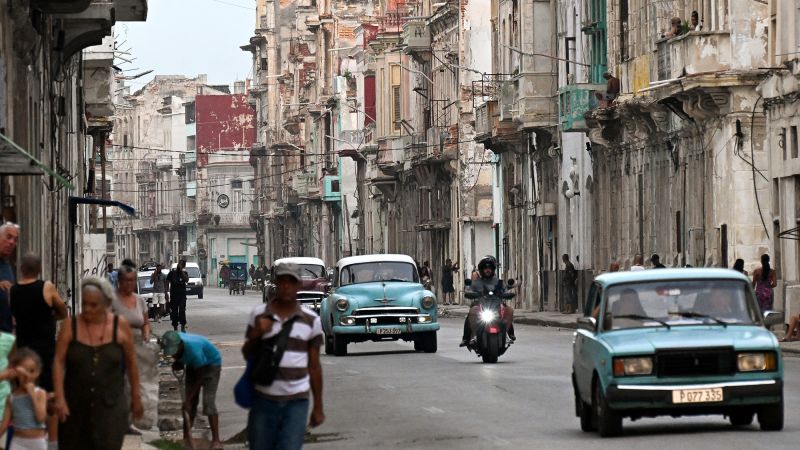
The impact of Trump’s measures is stark. With allies like Venezuela and Mexico under pressure, the flow of oil to Havana has dwindled. New government hotels, built at public cost, sit largely unused, their doors closed. Staff have been sent home, and tourists have vanished, leaving planes grounded due to lack of fuel. While the Cuban government insists, “Cuba is not alone,” the island now resembles a place forgotten by modern comforts. Blackouts, once brief, now stretch for days, forcing Cubans to endure darkness while preparing meals and ironing clothes in the early hours.
During a recent 36-hour power outage, a group of men cooked over burning branches on a Havana sidewalk. “We have returned to the Stone Age,” one remarked, his tone surprisingly upbeat. Without fuel, roads are nearly empty, save for T-Plate vehicles—government rentals—where Cubans siphon gasoline for the black market. A single tank of fuel now sells for over $300, exceeding the annual income of many citizens.
Trump asserts the Cuban government is eager to negotiate, but officials I spoke with dismissed this as wishful thinking. The island remains resolute, its leaders still rallying crowds with the slogan, “The homeland or death. We will be victorious!” Meanwhile, some Cubans grow weary, their hopes pinned on any shift, however uncertain. When my cameraman finally reappeared, I asked the taxi driver if he wished to share his thoughts for the story. He shook his head, retreating into silence, unwilling to voice his grievances above a whisper—at least not yet.

