Iran violated ceasefire in Strait of Hormuz, Trump says

Iran Violated Ceasefire in Strait of Hormuz, Trump Says
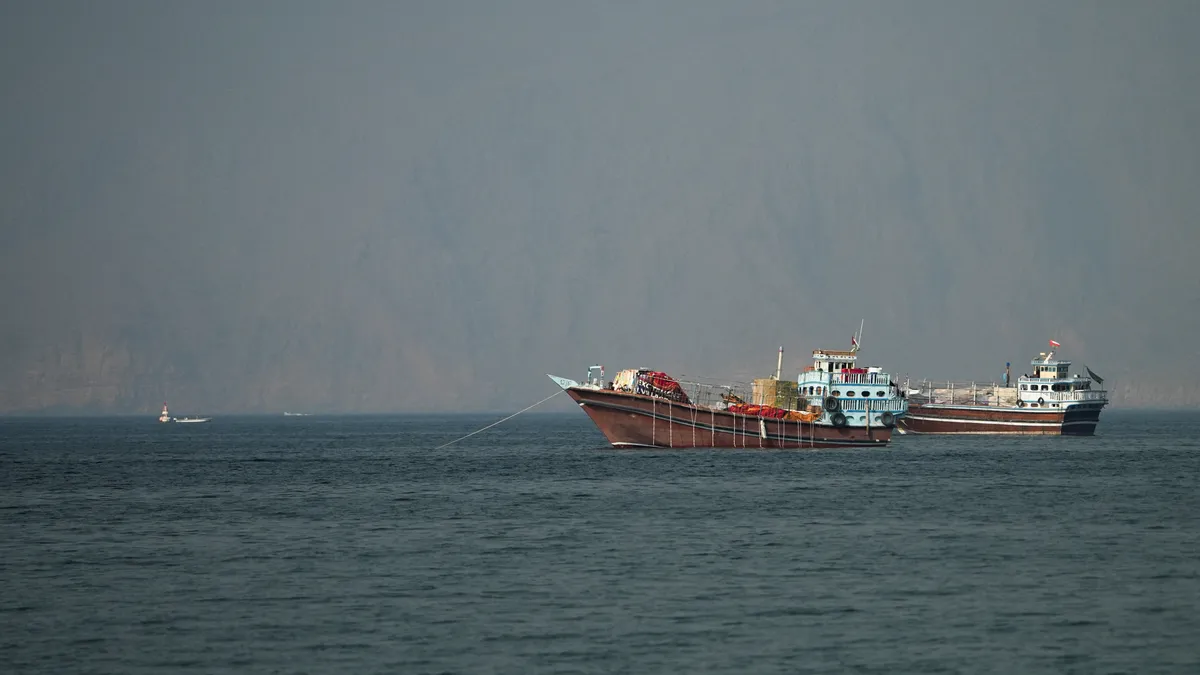
Cybersecarmor.com – On Friday, Iran reaffirmed its dominance over the critical waterway, the Strait of Hormuz, and issued a stern warning to nearby nations to avoid aligning with the U.S. The move underscores the precarious state of the June 17 preliminary agreement aimed at halting hostilities between the two nations. According to Iranian state television, three foreign oil tankers were redirected after crossing the strait without prior approval, an act Iran labeled as “unauthorized passage.” The report offered no further specifics, leaving the exact nature of the intervention unclear.
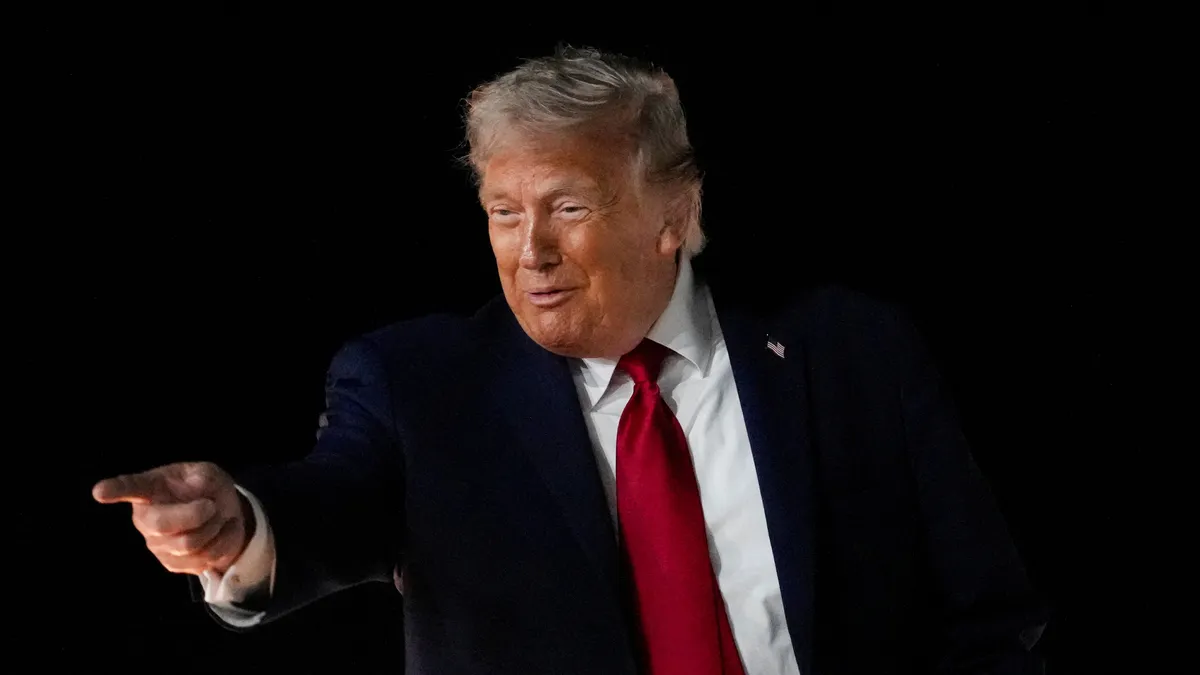
President Donald Trump took to social media to condemn the incident, asserting that Iran had launched at least four attack drones and targeted a cargo vessel. However, he noted that the ship managed to continue its journey despite sustaining damage. The U.S. military, he claimed, had successfully neutralized the remaining three drones. “Obviously, this is a foolish violation of our ceasefire agreement,” Trump wrote, framing the attack as a deliberate breach of the truce.
“Safe passage through the Strait of Hormuz cannot be guaranteed under ambiguous arrangements, parallel routes or decision-making that does not take Iran’s role as a coastal state into account,” said Kazem Gharibabadi, Deputy Foreign Minister. This statement came in response to a joint declaration by the U.S. and six other countries, which Iran accused of being “interventionist, irresponsible and provocative.” The coalition had rejected Iran’s proposal to impose tolls on ships transiting the strait, a claim Iran used to justify its recent actions.
The U.S. official, when questioned about the incident, confirmed awareness of the reports but emphasized ongoing investigations. “President Trump has been clear that Iran cannot subvert the free flow of traffic in the Strait,” the official stated, highlighting the administration’s commitment to upholding the agreement. However, the situation has raised doubts about the agreement’s effectiveness, particularly given the scale of the conflict and its potential to disrupt maritime trade.
The economic repercussions of the incident were immediate. Oil prices fell by over 3% on Friday, setting the stage for significant weekly declines. This drop follows conflicting interpretations of the interim deal and a temporary slowdown in shipping activity through the strait, which serves as a vital conduit for a fifth of the world’s oil and liquefied natural gas supplies. Analysts suggest the attack may have triggered uncertainty, though the overall impact on global markets remains to be seen.
Saudi Aramco, the national oil company, resumed operations at its Ras Tanura terminal in the Gulf on Friday. The terminal, which is the largest oil port globally, had been closed for nearly four months due to the ongoing tensions. This resumption signals a gradual return to normalcy, though the scale of activity remains below pre-conflict levels. The company also reported increased fertilizer shipments through the strait, a development that has eased concerns about potential spikes in global food prices linked to the prolonged closure of the waterway.
Iran’s actions have reignited debates over the strategic importance of the Strait of Hormuz. As a key chokepoint for international trade, any disruption here carries far-reaching consequences. The U.S. and its allies have long emphasized the need for a stable corridor, while Iran has sought to assert its authority over the region. The current standoff highlights the challenges of balancing national interests with international cooperation, particularly as the preliminary agreement lacks formal binding measures.
Experts argue that the incident reflects a broader pattern of friction between Iran and its adversaries. While the June 17 deal was intended to provide a temporary truce, it has faced repeated challenges. The U.S. and its allies have criticized Iran’s refusal to cede control over the strait’s traffic, viewing it as a threat to global energy security. In contrast, Iran insists that its sovereignty over the region must be respected, framing the tolls as a legitimate revenue source and a way to regulate movement through the waterway.
Despite the immediate impact on oil prices, the long-term effects of the attack depend on the resolution of the underlying tensions. The resumption of crude loadings at Ras Tanura suggests that supply chains are beginning to stabilize, but the incident has exposed vulnerabilities in the current framework. With the U.S. and Iran continuing to engage in diplomatic and military posturing, the path to a lasting agreement remains uncertain.
As the situation unfolds, the Strait of Hormuz continues to serve as a symbol of the broader geopolitical struggle. The attack has not only tested the ceasefire but also highlighted the interconnectedness of energy security, trade routes, and regional alliances. For now, the focus remains on the immediate aftermath, with global markets closely watching for further developments that could either reinforce the agreement or escalate tensions.