Lake Powell hits lowest summer level ever, raising risk of ‘dead pool’

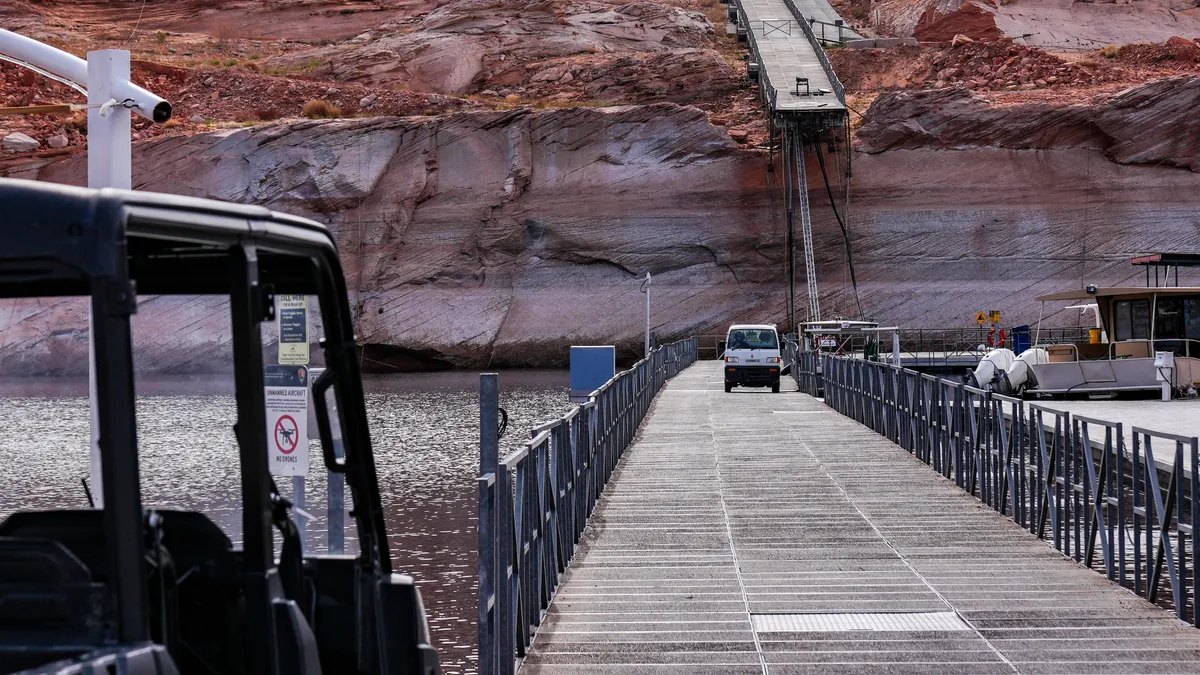
Lake Powell Reaches Historic Summer Low, Threatening ‘Dead Pool’ Scenario
Cybersecarmor.com – Lake Powell, the sprawling Colorado River reservoir that supplies power to millions of homes in the West, has hit its lowest summer level ever, heightening concerns about the possibility of a “dead pool” condition. The situation is expected to worsen as the peak of the summer season approaches, with federal projections indicating the reservoir could reach its minimum power pool level next spring. If it drops further, the Glen Canyon Dam might cease generating electricity, marking a critical threshold for the region’s water infrastructure.
Historical Context and Current Challenges
Historically, the reservoir has reached lower levels, but those instances occurred during the spring before seasonal snowmelt replenished its volume. This year, however, the refill never materialized, leaving the lake in an unprecedented state of depletion. The Bureau of Reclamation, the federal agency responsible for managing water resources, recently warned that this decline is not a result of recent drought mitigation efforts but rather a stark reminder of the Colorado River’s growing vulnerability.
“This outcome is not a reflection of recent drought response actions, but rather a clear reminder that the Colorado River remains vulnerable,” the Bureau of Reclamation stated in its June 15 forecast.
The persistent drop in water levels is attributed to long-term climate shifts, which have created a warmer and drier West. These changes have reduced snowpack accumulation and accelerated evaporation rates. As of now, the lake is only 23.28% full, a stark contrast to its last completely full state in 1983. Scientists and policymakers warn that this trend is likely to continue, with the reservoir’s level expected to reach its lowest point by late next spring.
Environmental and Economic Impacts
The depletion of Lake Powell is not just a numerical concern; it poses significant environmental risks. If the water level plunges beyond the power pool threshold, the river flow through the Grand Canyon could halt, triggering a “dead pool” scenario. While experts consider this unlikely due to the ability of federal managers to create new outlets in the dam, the threat remains a cause for alarm.
Meanwhile, the economic repercussions are evident. In Page, Arizona—the small city adjacent to the dam—tourism has suffered due to widespread media attention on the lake’s dwindling levels. City spokesman Adam Geller noted that while the decline in hotel revenue is difficult to attribute solely to the lake’s status, it has dropped by 6% compared to the previous year. This is compounded by rising gas prices and a slowdown in international travel, which have already impacted local businesses.
To adapt to the ongoing low water levels, municipal workers are developing a new system to supply drinking water to the city’s approximately 7,300 residents, along with hotels, businesses, and the golf course. This initiative underscores the urgency of finding sustainable solutions to the water crisis. Page, once a bustling staging area for the dam’s construction in the 1960s, continues to rely heavily on the Colorado River for its economy and identity, including attractions like Antelope Canyon and Horseshoe Bend.
Climate Change and the Role of El Niño
The situation reflects a broader pattern of climate change affecting the West. Warmer temperatures and prolonged dry spells have reduced the natural replenishment of water sources, pushing Lake Powell to its current crisis point. While a powerful El Niño phenomenon in the Pacific Ocean could bring a wetter fall and potentially a snowy winter, water experts caution that such short-term weather events may not reverse the long-term decline.
The dam’s managers have already taken steps to slow the reservoir’s drop, including diverting water from smaller upstream reservoirs in Colorado, Wyoming, and other states. However, these measures may not be enough to prevent the lake from reaching its critical levels. As the water level continues to fall, city officials are preparing for the worst, with boat ramps being extended and facilities like the Bullfrog Marina relocated to deeper waters in Utah to ensure continued access for recreational activities.
Interstate Tensions and Collaborative Efforts
The crisis has also intensified tensions among the seven states that jointly manage the Colorado River: Arizona, California, Colorado, Nevada, New Mexico, Utah, and Wyoming, alongside several Native American tribes. California, which receives the largest share of the river’s water, is particularly affected during dry years, but the other states are also facing pressure as their own reservoirs are tapped to support Lake Powell.
Earlier this year, governors from Colorado, New Mexico, Utah, and Wyoming issued a letter to downstream partners, expressing concerns that using water from smaller reservoirs to sustain Lake Powell could jeopardize jobs and tourism in their regions. This highlights the delicate balance between regional needs and the overarching challenges of water scarcity. Despite these disputes, collaboration remains essential to navigating the long-term implications of the Colorado River’s declining health.
Resilience and the Path Forward
Adam Geller emphasized that the community of Page has a history of adaptability, describing the dam itself as a symbol of resilience. “The dam is a story of resilience in itself. It was never built to withstand a drought like this,” he remarked, underscoring the need for innovative strategies to address the current crisis. City leaders are hopeful that the forecasted El Niño event could provide a temporary reprieve by increasing snowpack and water flow, but they acknowledge the challenge of ensuring long-term stability.
While the immediate effects of the low water levels are visible, the broader implications for the region’s ecosystems and water supply are equally concerning. The Grand Canyon, a popular tourist destination, relies on the river’s flow to sustain its unique biodiversity. A prolonged dead pool scenario could disrupt this delicate environment, affecting wildlife and the scenic beauty that draws millions of visitors annually.
Efforts to mitigate the crisis are ongoing, with federal and state agencies working to implement both short-term and long-term solutions. The focus is not only on maintaining the dam’s functionality but also on ensuring that the communities dependent on the Colorado River can thrive despite the challenges. As the summer progresses, the situation will be closely watched, with the hope that the upcoming winter’s snowmelt might provide a much-needed lifeline to the reservoir and the region it serves.
For now, the depletion of Lake Powell stands as a sobering indicator of the West’s changing climate and the increasing strain on its water resources. The reservoir’s current state serves as a cautionary tale, reminding all stakeholders of the importance of proactive management and sustainable practices in the face of unprecedented environmental shifts.