
Video. Kiwi birds return to New Zealand’s capital after a century away
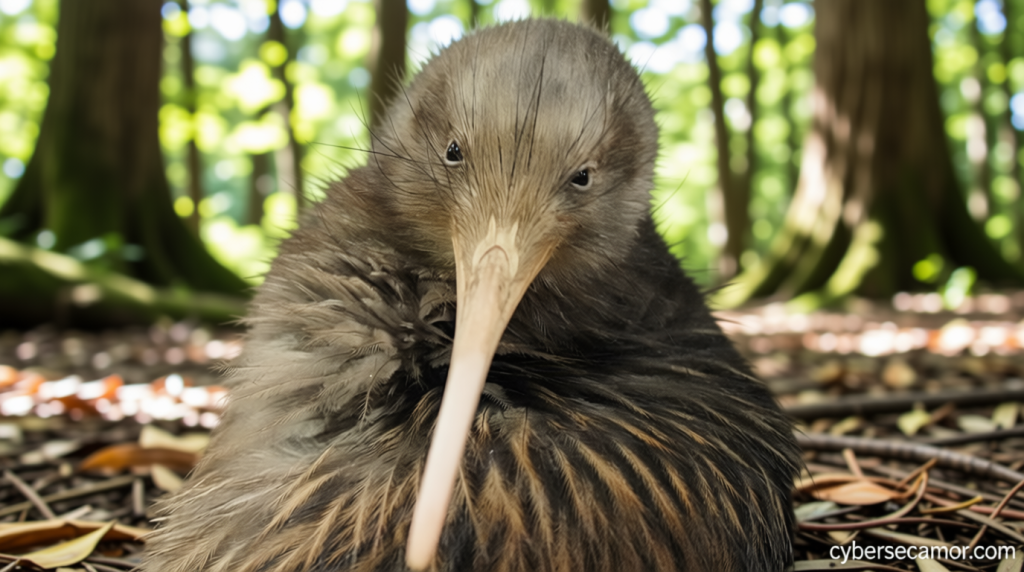
Video. Kiwi Birds Return to New Zealand’s Capital After a Century Away
Kiwi birds return to New Zealand – For over a century, the kiwi—a revered national emblem of New Zealand—has been absent from the rugged landscapes surrounding the capital city of Wellington. This flightless bird, native to the region, once thrived in the dense forests and hills that characterize the country’s natural terrain. Its disappearance has left a void in both the ecological balance and the cultural identity of the area. Now, a group of dedicated citizens is working tirelessly to reverse this trend, launching an ambitious campaign to reintroduce the endangered species to the city. Their efforts, though seemingly unlikely, have sparked hope among conservationists and locals alike.
On a misty evening, Ward and a team of volunteers undertook a clandestine mission to transport seven crates of kiwi birds across the countryside. The operation, conducted under the dim glow of red torchlight, highlighted the delicate nature of their task. As the group moved through the farmland, they carried the birds with care, ensuring minimal disturbance to their surroundings. Upon reaching their destination, they paired the crates and carefully opened them, allowing the kiwi to emerge gently into the night. This marked the relocation of the 250th bird since the Capital Kiwi Project was initiated, a milestone underscoring the community’s unwavering commitment to preservation.
The kiwi’s absence from Wellington’s hills has not only affected biodiversity but also stirred a sense of urgency among conservationists. Historically, the bird population in New Zealand was estimated at 12 million before human activity began to reshape the environment. However, due to habitat destruction, predation by invasive species, and urban expansion, the numbers have plummeted. Today, only around 70,000 kiwis remain, a stark decline that has raised alarms about the species’ survival. The annual loss of approximately 2% further emphasizes the need for intervention. The Capital Kiwi Project represents a grassroots effort to combat this decline, blending scientific strategy with local enthusiasm.
Ward’s team faced numerous challenges during their mission. The terrain was treacherous, requiring careful navigation through farmland that had long been stripped of its natural vegetation. The use of red torchlight was intentional, minimizing visibility to avoid attracting predators or startling the birds. Each crate contained a carefully selected individual, with the team ensuring optimal conditions for the birds’ transition. The process of releasing the kiwis involved a combination of patience and precision, as the birds were guided into their new habitat with minimal stress. This meticulous approach reflects the broader goals of the project: to establish a self-sustaining population in Wellington and restore the ecological and symbolic presence of the kiwi.
Conservationists have long debated the best strategies for kiwi survival. While protected areas and predator control programs have proven effective in other regions, the Capital Kiwi Project takes a unique approach by focusing on urban environments. The city’s natural reserves, though limited, provide a crucial refuge for the birds. By relocating kiwis to these spaces, the project aims to create a buffer against the threats posed by human development. The success of this endeavor depends on factors such as habitat quality, food availability, and the absence of invasive species. Ward’s team is optimistic, believing that their efforts could serve as a model for similar initiatives nationwide.
The cultural significance of the kiwi cannot be overstated. As a symbol of New Zealand’s unique identity, the bird has inspired generations of artists, writers, and environmentalists. Its return to Wellington is more than a conservation milestone; it is a statement of resilience and hope. The community’s involvement has been instrumental in this effort, with local volunteers contributing time, resources, and passion. Public engagement has also grown, as residents participate in educational programs and monitoring activities. This collective action has transformed the project into a movement, uniting people across the city in a shared vision for the future of the kiwi.
Despite the progress made, the challenges remain formidable. The kiwi’s flightless nature makes it vulnerable to predators such as stoats and feral cats, which thrive in the city’s outskirts. Additionally, the birds’ nocturnal habits and low visibility require specialized care during the relocation process. Ward and his team have implemented measures to mitigate these risks, including predator-proof enclosures and habitat enrichment. The project also relies on ongoing research to track the kiwi’s adaptation to their new environment. Each bird’s journey is documented, providing valuable insights into their behavior and survival rates.
As the kiwi population continues to shrink, the Capital Kiwi Project offers a glimmer of optimism. The relocation of the 250th bird is a testament to the perseverance of those involved, but it also highlights the scale of the problem. Without urgent action, the kiwi could face extinction within this century. The project’s success hinges on maintaining the delicate balance between human activity and nature. By reintroducing the birds to Wellington, the initiative not only aims to protect a species but also to rekindle a connection between people and the natural world. This dual mission has positioned the kiwi as a symbol of both ecological and cultural renewal.

