
Video. German minehunter heads to Mediterranean for possible Hormuz mission
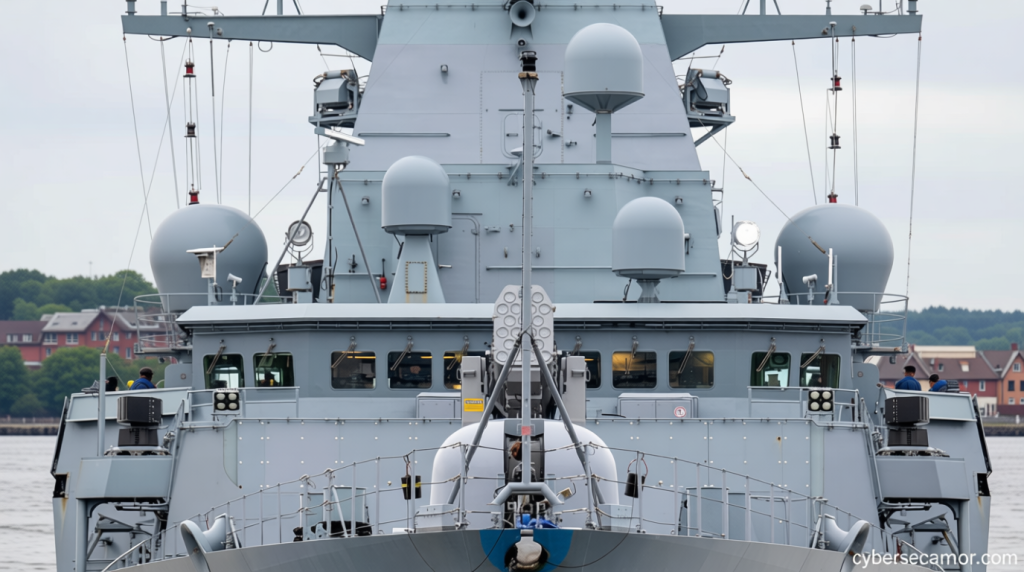
German Minehunter Fulda Embarks for Mediterranean as Hormuz Deployment Talks Intensify
German minehunter heads to Mediterranean for possible – The German Navy’s minehunter Fulda has begun its journey from the Kiel-Wik naval base, setting course for the Mediterranean Sea. This departure comes as discussions about a potential mission in the Strait of Hormuz gain momentum, highlighting the growing strategic interest in the region. The vessel, which is part of the German fleet, is expected to remain at sea for roughly two weeks, contingent on operational needs and mission scope.
Images captured during the ship’s final preparations revealed crew members engaging in routine checks and securing equipment aboard. The Fulda, a specialized vessel designed for mine detection and neutralization, carries a complement of 45 personnel. Its readiness for deployment underscores the importance of maintaining maritime security in areas prone to conflict and uncertainty.
While the exact nature of the mission remains under review, the timing of the Fulda’s movement suggests a possible involvement in securing shipping lanes near the Strait of Hormuz. This waterway, a crucial artery for global oil trade, has seen heightened activity due to geopolitical tensions. The minehunter’s role in such a scenario would involve identifying and mitigating underwater threats, ensuring the safe passage of commercial and military vessels.
German officials have indicated that any future operation in the Hormuz region would necessitate legislative clearance from the Bundestag, the country’s federal parliament. The government has emphasized the need for a secure legal foundation, which might include international agreements such as a United Nations mandate. These considerations reflect the careful balance between military preparedness and political accountability in Germany’s foreign policy decisions.
Maritime Security and Strategic Importance of Hormuz
The Strait of Hormuz, a narrow passage connecting the Persian Gulf to the open ocean, is a focal point for global energy transportation. Its strategic value has made it a hotspot for conflict, with recent events intensifying the need for naval presence to protect vital supply routes. The Fulda’s potential deployment aligns with broader efforts to stabilize this critical chokepoint, which has faced disruptions due to rising tensions between regional powers.
As the ship progresses toward its destination, the focus shifts to its capabilities and the challenges it may encounter. Minehunters like the Fulda are equipped to operate in high-risk environments, leveraging advanced technology to detect and destroy mines. Their presence can deter hostile actions and reassure international partners of Germany’s commitment to maritime stability. This mission could also serve as a demonstration of Germany’s naval capabilities in distant waters.
The timing of the Fulda’s departure coincides with an ongoing period of instability, which has raised concerns about the safety of maritime traffic. The vessel’s journey through the Mediterranean is expected to involve coordination with allied forces and monitoring of regional developments. Such operations often require rapid response and adaptability, traits the German Navy aims to showcase through this deployment.
International cooperation plays a key role in any mission involving the Strait of Hormuz. Germany’s participation in such efforts could strengthen its ties with NATO allies and other regional partners. The decision to send the Fulda reflects a broader trend of European nations contributing to global security initiatives, even as they navigate domestic political processes to justify their involvement.
Political and Legal Framework for the Mission
German officials have said that any future operation near Hormuz would require approval from the Bundestag and a secure legal basis, potentially including a UN mandate.
The requirement for Bundestag approval underscores the formal process involved in deploying military assets abroad. This legislative step ensures transparency and public support for such actions, which can be politically sensitive. A secure legal basis, whether through a UN mandate or bilateral agreements, is essential for legitimizing the mission and reducing diplomatic friction.
The German government’s emphasis on legal clarity highlights the complexities of modern naval operations. With international law playing a central role in conflict resolution, securing a mandate or agreement can provide the necessary authority to conduct missions without overstepping territorial boundaries. This approach also allows Germany to align its actions with broader international objectives, such as maintaining free navigation in key waterways.
As the Fulda moves closer to its destination, the focus will turn to its operational logistics and potential allies in the region. The mission’s success will depend on coordination with other nations and the ability to respond to evolving threats. Germany’s involvement in Hormuz could also signal a shift in its military strategy, with increased attention to global hotspots and the need for rapid deployment capabilities.
The decision to send the minehunter to the Mediterranean is part of a larger picture of Germany’s military engagement. With its naval forces being deployed to various locations, the country is positioning itself as a key player in international security. This move may also be a precursor to a more permanent naval presence in the region, reflecting long-term strategic interests in maintaining stability and protecting trade routes.
Regional Dynamics and the Path Forward
Maritime security in the Strait of Hormuz remains a pressing concern, with threats ranging from armed clashes to accidental detonations of mines. The Fulda’s deployment is a response to these challenges, aiming to bolster the region’s defenses and ensure uninterrupted passage for commercial ships. The mission could also serve as a deterrent, signaling Germany’s readiness to contribute to international efforts in times of crisis.
The ongoing tensions affecting the region have prompted a reassessment of naval strategies. By sending the Fulda to the Mediterranean, Germany is reinforcing its ability to project power and support international coalitions. This step may also serve as a test of the ship’s capabilities in a new operational environment, preparing it for more extended commitments if needed.
As the ship reaches its destination, the next phase will involve integrating with existing operations and establishing communication channels with local authorities. The mission’s scope may expand based on real-time assessments of the situation, with the Fulda potentially taking on additional roles beyond mine detection. This adaptability is crucial for addressing the dynamic nature of maritime security challenges.
The deployment of the minehunter to the Mediterranean marks a new chapter in Germany’s naval operations. It

