
Why tourists in Spain this summer may find outdoor terraces closed under new heatwave rules
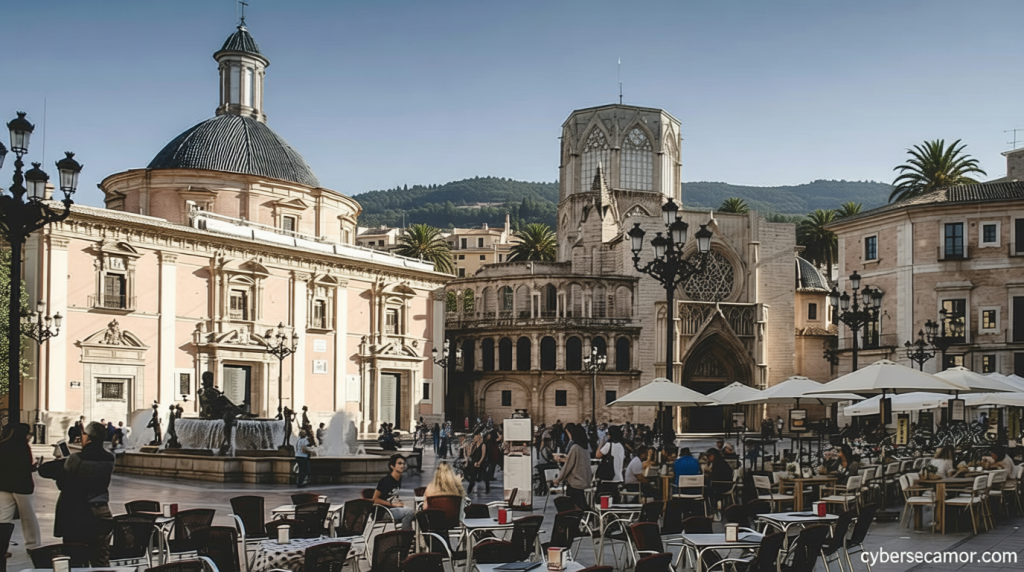
Why tourists in Spain this summer may find outdoor terraces closed under new heatwave rules
New Heatwave Regulations Impact Summer Leisure
Why tourists in Spain this summer – Sitting on the open-air terraces of Spanish eateries and lounges has long been a staple of summer leisure. However, as the nation grapples with escalating heatwaves, this cherished tradition could face disruptions this year. Hospitality workers, who often endure grueling conditions, are now at the center of a new set of labor regulations aimed at safeguarding their well-being. These changes mean that during periods of extreme heat, businesses may be required to limit or halt outdoor service to comply with health and safety standards.
The latest update to Spain’s national labor framework was introduced in response to the increasing frequency of extreme weather events, which are now shaping daily life. With temperatures soaring to unprecedented levels, the government has prioritized worker protections, ensuring that establishments can adjust their operations to mitigate risks. The rules are particularly significant for tourist destinations, where outdoor seating is a key feature of the dining and drinking experience.
Heat Alerts and Operational Adjustments
Under the revised guidelines, restaurants, bars, and cafes must implement measures when the State Meteorological Agency (AEMET) issues orange or red heatwave alerts. These alerts signal that conditions are severe enough to warrant action. For instance, if temperatures exceed 40°C, businesses lacking sufficient shade or cooling systems may need to close their terraces entirely. The regulations encourage adaptive strategies, such as shifting work hours or providing more frequent breaks, before resorting to full closures.
Workers on the front lines, like waiters and baristas, face heightened challenges during the hottest parts of the day. Their tasks—carrying trays, cleaning tables, and navigating the sun—can become exhausting and even dangerous in extreme heat. The new rules emphasize a balance between protecting employees and maintaining service, ensuring that closures are only applied when absolutely necessary.
Penalties for Non-Compliance and Tourist Considerations
Businesses that fail to adhere to the updated heatwave protocols could face substantial fines. In the most severe cases, penalties may exceed €50,000, underscoring the government’s commitment to enforcing these standards. For tourists, this means adapting holiday routines to account for possible terrace closures. While a refreshing drink on a shaded terrace might seem like a perfect summer escape, such environments may no longer be available during peak heat hours.
When temperatures climb beyond 40°C, outdoor service could be suspended from midday to early afternoon, leaving tourists to rely on indoor spaces for meals and drinks. This shift might require travelers to plan their outings around the cooler parts of the day, such as evenings, when terraces are more likely to reopen. Additionally, modifying schedules to align with less intense weather conditions could enhance overall comfort for both staff and guests.
Climate Change as a Central Concern
The new regulations reflect a broader recognition of climate change’s role in daily operations. Previously, extreme weather was considered an occasional inconvenience, but recent summers have demonstrated its persistent impact. For example, last summer saw temperatures reaching 45°C in certain regions, creating conditions that can significantly impair physical activity and productivity. These events have pushed the government to integrate climate considerations into its labor policies, ensuring that workers are shielded from the harshest effects of rising temperatures.
Spain’s approach is part of a growing trend among nations to address the challenges posed by climate change. By establishing a national network of climate shelters, the government aims to provide safe spaces for both residents and visitors. These shelters will offer respite from the intense heatwaves that have become a regular occurrence, especially during the summer months. While the primary focus is on protecting workers, the benefits extend to all individuals seeking relief from the heat.
A Shift in the Summer Experience
The implementation of these rules marks a pivotal moment for Spain’s tourism industry. Traditionally, the summer season is synonymous with open-air dining and vibrant outdoor activities, but the new guidelines suggest a shift toward more flexible and resilient practices. Tourists may need to adjust their expectations, embracing indoor dining or seeking shaded areas during the midday heat. However, the government and hospitality unions hope that these adaptations will ultimately improve the overall experience, ensuring that both employees and customers can enjoy the summer without undue risk.
Prime Minister Pedro Sanchez highlighted the changing climate during a December press conference, stating, “Devastating droughts and heatwaves are no longer rare,” and warning that “some summers, it’s not separate waves we face, but one long heatwave stretching from June through August.” His remarks underscore the reality that extreme heat is now the new normal, requiring businesses and visitors to prepare for prolonged periods of intense weather. As a result, the tourism sector must evolve to accommodate these conditions, balancing the need for comfort with the demands of operational safety.
Preparing for the Future of Summer
While the immediate effects of the new rules may disrupt the traditional summer atmosphere in Spain, they represent a forward-thinking strategy to address long-term climate challenges. By prioritizing worker health, the regulations aim to create a more sustainable and adaptable hospitality sector. For tourists, this could mean a slight inconvenience in the short term but a more reliable and comfortable experience in the long run.
Adapting to these changes will require a shift in mindset for both businesses and visitors. Restaurants and cafes may need to invest in better cooling systems or reconfigure their seating areas to provide adequate shade. Tourists, in turn, should consider the timing of their meals and drinks, perhaps opting for early or late hours when the heat is less oppressive. This proactive adjustment will not only ensure compliance with the new rules but also help visitors make the most of their time in Spain while enjoying the summer without compromising their well-being.
As Spain continues to refine its approach to climate-related labor standards, the summer experience for tourists will likely evolve. The integration of weather alerts into operational decisions highlights the growing influence of climate change on everyday life, transforming the way businesses and visitors interact with their environment. While the closure of outdoor terraces may be a concern, these measures are designed to protect workers and ensure that Spain’s hospitality sector remains a viable and enjoyable destination for all, even in the face of increasingly severe heatwaves.
“Devastating droughts and heatwaves are no longer rare,” Prime Minister Pedro Sanchez said during a press conference in December. “Some summers, it’s not separate waves we face, but one long heatwave stretching from June through August. This is now the new normal.”
The Spanish government’s efforts to construct a national climate shelter network further demonstrate its commitment to addressing these challenges. These facilities will serve as safe havens for those seeking relief from the relentless summer heat, providing essential cooling and shade. As the country moves toward this new normal, both residents and visitors will need to embrace a more climate-conscious approach to their daily lives and leisure activities.

