Trump to spend weekend at Camp David with Iran negotiations on hold

Trump to Spend Weekend at Camp David as Iran Negotiations Pause
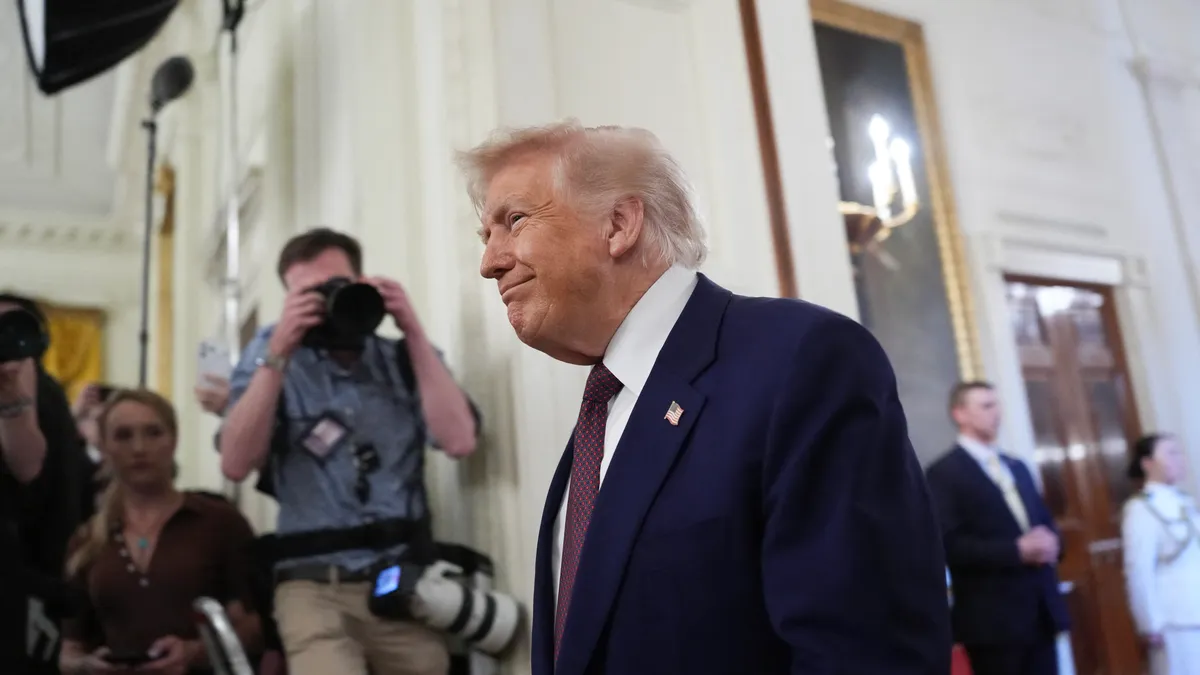
Cybersecarmor.com – WASHINGTON — Donald Trump, the current U.S. president, will be leaving Washington later this afternoon on Friday to travel to the Camp David presidential retreat. The trip, which will last through Sunday, marks a strategic move as the administration seeks to revitalize stalled peace talks with Iran. While the White House has not provided specific details about the purpose of the weekend gathering, the decision to hold the meeting at this location suggests a focus on high-level diplomatic discussions.
Historical Significance of Camp David
Located approximately 70 miles from the White House in Maryland, Camp David has long been a preferred site for presidential retreats and international diplomacy. The estate, originally built in 1938, has hosted numerous critical negotiations over the decades, from the 1978 Camp David Accords between Egypt and Israel to more recent summits addressing global crises. This weekend’s gathering will be Trump’s second visit to the site during his second term, underscoring its role as a hub for strategic decision-making.
The White House has not yet disclosed the exact agenda for Trump’s time at Camp David, though the trip follows the cancellation of a planned meeting in Switzerland. Vice President JD Vance had initially been set to attend that event, where the U.S. aimed to accelerate peace talks with Iran. The setback was attributed to logistical challenges, with a spokesperson noting that “the plans for the upcoming technical talks have not been finalized.” This shift in location raises questions about the administration’s approach to resolving the ongoing conflict with Iran.
Progress and Challenges in U.S.-Iran Talks
Despite the current pause, recent developments have shown some momentum in U.S.-Iran negotiations. The two nations recently reached a memorandum of understanding that addressed key issues, including the reopening of the Strait of Hormuz and the establishment of a ceasefire. These agreements have been hailed as a critical step toward stabilizing the region, yet they are only the beginning of a more complex process. The next 60 days will be dedicated to negotiating the broader terms of a final peace deal, which could involve mechanisms to prevent Iran from acquiring nuclear weapons.
While the initial framework has been agreed upon, the road to a comprehensive agreement remains fraught with obstacles. The memorandum of understanding serves as a foundation, but its implementation requires detailed discussions on enforcement measures, sanctions relief, and verification protocols. These elements are essential for ensuring that Iran adheres to the terms of the agreement, particularly in its nuclear program. The White House has emphasized the need for these talks to be completed promptly, though the weekend at Camp David may allow for a more focused and uninterrupted dialogue.
Trump’s schedule for Saturday and Sunday includes only “executive time” at 8 a.m. each day, leaving room for private deliberations. The president is expected to return to Washington at an unspecified time on Sunday, signaling that the retreat will be a short but intensive period of engagement. This structured approach contrasts with the previous cancellation of a planned Cabinet meeting at Camp David in May, which was delayed due to inclement weather. The helicopter flight to the retreat would have been jeopardized by the storm, forcing the administration to adjust its plans.
Previous Visits and Context of the Current Trip
Trump’s only other visit to Camp David during his second term occurred in June 2025, when he met with military leaders amid protests in California over his administration’s immigration policies. That meeting highlighted the intersection of domestic and international priorities, as the president addressed both the political climate at home and the strategic challenges abroad. The current trip, however, appears to be more centered on the Iran negotiations, reflecting the administration’s renewed emphasis on regional stability.
The decision to hold the talks at Camp David comes after a series of setbacks in the peace process. The U.S. and Iran had been working toward a final agreement, but recent developments have created uncertainty. The memorandum of understanding, while a positive development, does not resolve all disputes. The two parties must now tackle intricate issues such as nuclear safeguards, economic sanctions, and the potential for military conflict in the Persian Gulf. These discussions will require weeks of intensive negotiations, with the White House committed to advancing the talks despite the challenges.
The Camp David location has historically provided a secluded environment for high-stakes diplomacy. Its remote setting and presidential amenities make it ideal for fostering productive dialogue away from the distractions of the capital. Trump’s choice to use this venue underscores the importance he places on the Iran negotiations, even as they face logistical and political hurdles. The trip also allows the administration to leverage the retreat’s legacy of successful diplomacy, such as the 1978 agreement that led to the Egypt-Israel peace treaty.
Analysts suggest that the White House may be using the weekend to consolidate strategies and address any remaining concerns. The cancellation of the Switzerland trip could have been a deliberate move to prioritize the Camp David discussions, ensuring that the Iran talks receive undivided attention. While the administration has not confirmed this, the timing of the trip implies a strategic realignment. This shift highlights the urgency with which the U.S. is approaching the negotiations, particularly given the potential for renewed hostilities in the region.
As the talks progress, the focus will remain on balancing immediate security interests with long-term diplomatic goals. The reopening of the Strait of Hormuz and the ceasefire are seen as critical early victories, but the path to a permanent peace deal requires sustained effort. The 60-day negotiation window presents both an opportunity and a challenge, as the U.S. and Iran navigate their differences in a high-stakes environment. Trump’s presence at Camp David may help maintain the momentum, ensuring that the dialogue continues without interruption.
The weekend at Camp David also provides a chance for the administration to reassess its approach to the Iran issue. With the memorandum of understanding serving as a starting point, the focus will be on refining the terms of the agreement and addressing any lingering disputes. The White House has emphasized that the talks are not just about political gestures but about achieving concrete outcomes that benefit both nations. As the negotiations continue, the outcome could have far-reaching implications for U.S. foreign policy and the broader Middle East region.
While the details of Trump’s activities at Camp David remain under wraps, the trip is expected to be a pivotal moment in the peace process. The president’s return to the retreat after a brief hiatus underscores its role as a key venue for strategic planning. As the U.S. and Iran work toward a final agreement, the administration will be closely watching for any signs of progress or setbacks. The weekend at Camp David may set the stage for the next phase of negotiations, with the hopes of achieving a lasting resolution to the ongoing conflict.