Israel, Hezbollah agree to ceasefire; Iran talks on hold: Live updates

Israel, Hezbollah Agree to Ceasefire; Iran Talks on Hold: Live Updates
Peace Pact Between Israel and Hezbollah
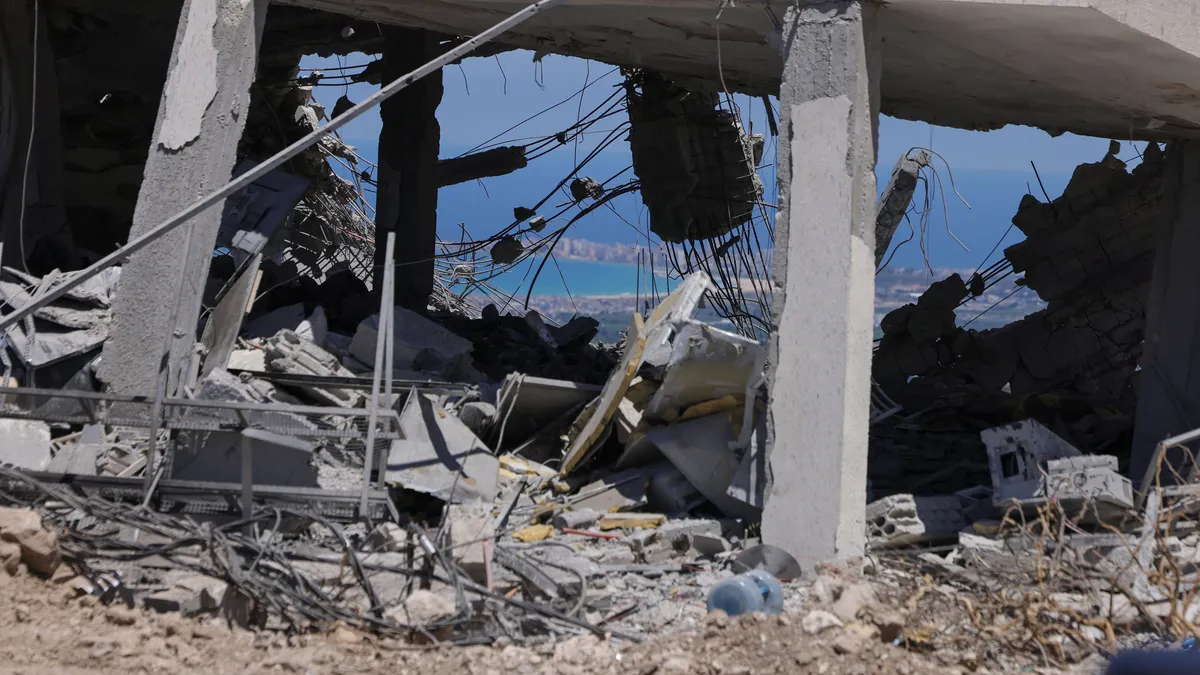
Cybersecarmor.com – Following days of intense conflict, Israel and Hezbollah have reached an agreement to pause hostilities, marking a significant shift in the volatile region. The ceasefire, which comes after weeks of escalating tensions, aims to provide a temporary respite for both sides. While details of the pact remain under review, officials have confirmed that it is a step toward broader negotiations. This development has drawn mixed reactions from international observers, with some hailing it as a positive sign and others cautioning that it may only delay rather than resolve the deeper issues at play.
“This agreement represents a critical moment for regional stability,” said a senior U.S. diplomat. “It allows both parties to regroup and focus on long-term solutions.”
Iran Peace Talks Remain Stalled
Meanwhile, discussions between Iran and the United States on resolving the ongoing crisis have entered a holding pattern. Despite multiple rounds of talks, key points of contention have yet to be addressed, leaving the possibility of a diplomatic breakthrough uncertain. Iranian representatives have reiterated their demand for guarantees that Israel’s actions will not threaten their nuclear program, while U.S. officials have emphasized the need for Iran to demonstrate flexibility in reducing its support for regional adversaries.
Analysts suggest that the pause in Iran-U.S. negotiations could be due to both sides prioritizing immediate concerns over long-term agreements. With Israel and Hezbollah focused on consolidating their positions, the U.S. appears to be shifting its attention to securing commitments from Iran on its regional influence. This realignment may also reflect internal political dynamics, as the administration seeks to build momentum for upcoming diplomatic initiatives.
“The talks have been repeatedly disrupted by differing priorities,” noted a Middle East expert. “Iran wants assurance against future attacks, while the U.S. is pushing for concessions on its regional allies.”
Vice President JD Vance’s Strategic Move
Vice President JD Vance has canceled his scheduled trip to Europe, a decision that underscores the high stakes of the current conflict. The move comes as officials from both Israel and Hezbollah signal that they are prepared to resume combat if the peace process does not meet their expectations. Vance’s team cited “unpredictable developments” in the region as the reason for the postponement, highlighting the administration’s focus on monitoring the situation closely.
Some political analysts believe that Vance’s cancellation reflects a broader strategy to keep pressure on all parties involved. By maintaining a presence in the region, the U.S. can ensure that its interests are protected and that any diplomatic progress is aligned with American goals. The vice president’s absence from Europe also raises questions about the role of U.S. policy in shaping the ceasefire and its aftermath.
“Vance’s decision to stay local shows the administration is prioritizing direct engagement over distant diplomacy,” remarked a congressional aide. “The situation is too fluid to let up now.”
Regional Implications and Challenges
The ceasefire between Israel and Hezbollah has sparked debate about its effectiveness in calming the region. While it has prevented immediate violence, some fear that the agreement could create a power vacuum, allowing other actors to step in. Lebanon, for instance, has expressed concerns about the economic impact of the ongoing conflict, with its infrastructure and trade routes heavily affected.
Meanwhile, Iran’s continued support for Hezbollah has raised alarms among neighboring countries. Saudi Arabia and the United Arab Emirates have called for a unified approach to counter Iranian expansion, but internal divisions within the Gulf Cooperation Council (GCC) may slow progress. The situation also highlights the complex interplay between local conflicts and global geopolitics, with the U.S. and Iran vying for influence in the region.
“The ceasefire is a tactical pause, not a final solution,” warned a Middle Eastern analyst. “Iran’s involvement remains a wildcard, and the next steps will determine whether this is a turning point or just a temporary truce.”
Public and Political Reactions
Reactions to the ceasefire have been divided, with supporters praising the move as a necessary compromise and critics arguing it weakens Israel’s position. Pro-Palestinian groups have called the agreement a setback, claiming it gives Hezbollah time to regroup and strengthen its military capabilities. Conversely, Israeli officials have framed the deal as a pragmatic step toward a lasting peace, though they remain wary of Iran’s intentions.
Back in the U.S., the decision to hold Iran talks has sparked discussions about the country’s foreign policy priorities. Some lawmakers have criticized the administration for not making greater strides in the negotiations, while others believe the pause is a strategic maneuver to allow for more thorough analysis of the situation. The White House has maintained that the ceasefire provides an opportunity to advance diplomatic efforts, even as military options remain on the table.
“The administration is walking a tightrope between supporting Israel and engaging with Iran,” said a political strategist. “Every move must balance immediate needs with long-term stability.”
Looking Ahead: What’s Next?
As the ceasefire takes effect, the next phase of negotiations will focus on establishing trust between the parties. Key issues such as territorial concessions, military withdrawals, and economic agreements are expected to be on the agenda. However, the success of these talks will depend on both sides’ willingness to make compromises, a challenge that has persisted throughout the conflict.
The U.S. has signaled that it will continue to monitor the situation closely, with Vice President Vance likely to remain involved in regional affairs. If the Iran peace talks resume, they could serve as a crucial platform for resolving the broader crisis. But for now, the path forward remains uncertain, with the potential for renewed violence hanging over the region.
“The road to peace is long and winding, but this ceasefire is a starting point,” stated a U.S. State Department spokesperson. “We are committed to facilitating dialogue and ensuring all voices are heard.”
With the situation evolving rapidly, the coming weeks will be critical in determining whether the current pause in hostilities leads to a permanent resolution or merely a temporary reprieve. As Israel and Hezbollah focus on implementing the agreement, the U.S. and Iran will need to navigate their own challenges to avoid further destabilization. The international community watches closely, hoping that this moment of calm can pave the way for a more stable future in the region.