Iran ceasefire ‘over,’ Trump says. What’s the status of peace talks?

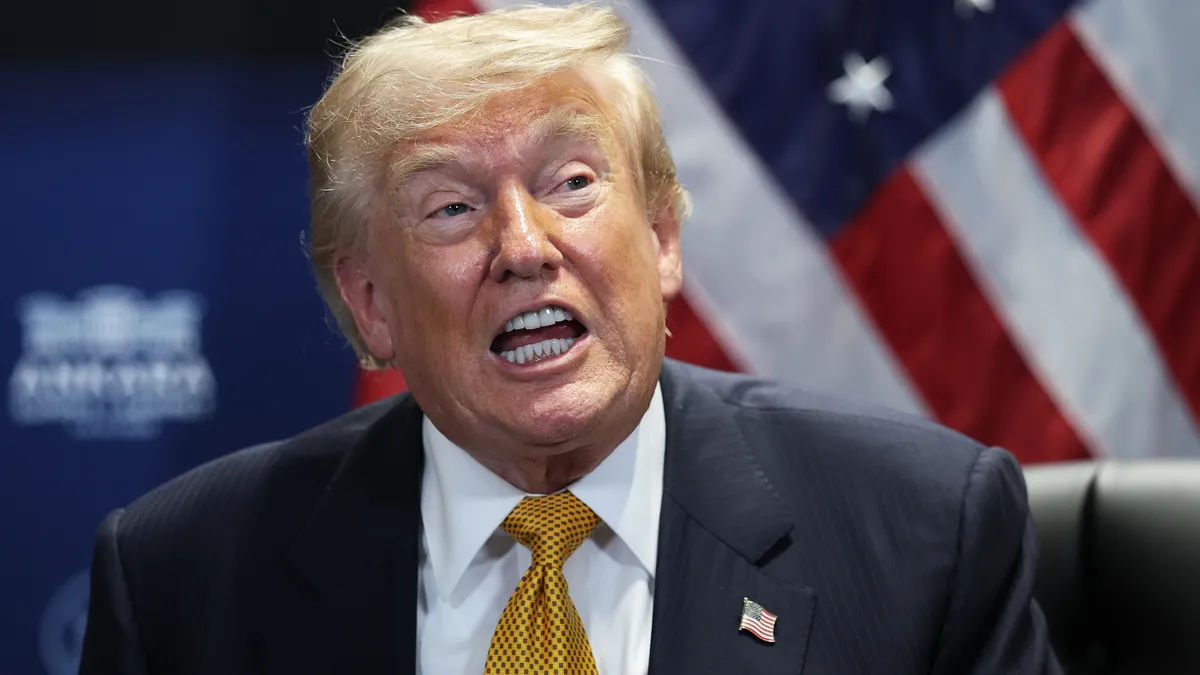
Trump Questions Ceasefire Viability as Tensions Escalate Over Strait of Hormuz
Cybersecarmor.com – President Donald Trump has signaled that the recently established truce with Iran may no longer be viable, following renewed military confrontations in the strategically vital Strait of Hormuz region. The American leader characterized ongoing diplomatic engagement with Tehran as futile during his appearance at a NATO gathering held in Turkey.
“As far as I’m concerned, it’s just a waste of time dealing with them,” Trump stated. “They’re liars.”
The deterioration in relations became apparent after Washington initiated fresh aerial bombardments against Iranian positions on July 7. In response to maritime attacks within the strait, the United States simultaneously withdrew authorization permitting Iranian oil exports. Tehran retaliated by directing strikes toward American military installations situated in both Bahrain and Kuwait.
Additional American military operations commenced on July 8, occurring shortly following Trump’s public comments at the international summit. These reciprocal attacks have contributed to heightened market volatility and pose significant risks to the memorandum of understanding that was concluded just weeks prior with the intention of terminating hostilities.
Background of the Peace Agreement
The preliminary accord between the two nations was finalized last month, aiming to conclude a conflict that originated on February 28. This comprehensive understanding encompassed provisions for restoring navigation through the Strait of Hormuz while simultaneously initiating discussions regarding Iran’s nuclear capabilities and American economic sanctions.
A significant element of the agreement involved American authorization allowing Iran to participate in global oil markets. This concession provided temporary economic relief to Tehran before being withdrawn on July 7 following renewed tensions.
“To me, I think it’s over. I don’t want to deal with them,” Trump declared, further describing Iranian leadership as “scum,” “sick people” and “cuckoo.”
Iranian parliamentary speaker Mohammad Bagher Ghalibaf, serving as a principal negotiator in the peace process, publicly criticized American actions as constituting multiple breaches of the established agreement.
“The era of bullying and extortion is over,” Ghalibaf communicated through social media platforms. “It leads nowhere. We don’t fold.”
Military Escalation and Infrastructure Threats
U.S. military operations against Iranian targets have occurred in several waves since the memorandum was executed. Initial strikes on June 26 and 27 focused on Iranian defensive systems and drone facilities. Subsequent operations on July 7 affected approximately 80 different targets, encompassing small vessels, radar installations, and anti-ship missile systems, according to U.S. Central Command documentation.
During his NATO summit address, Trump indicated that additional military operations might materialize, suggesting potential escalation of American responses. Central Command subsequently announced further strikes, emphasizing that the United States intended to hold Iran responsible for what it characterized as unwarranted aggression toward commercial vessels and civilian maritime personnel utilizing this crucial international waterway.
The president acknowledged that while critical Iranian infrastructure—including bridges, power generation facilities, and desalination plants—had not yet been targeted, such actions remained possible.
“If we have to, we’ll take them out,” Trump explained. “I don’t want to do that, but if we have to we’ll take them out.”
Diplomatic Prospects and Market Reactions
Trump has consistently warned of potential strikes against civilian infrastructure, generating concern among international legal authorities, political figures, and human rights organizations. Additionally, the president indicated on July 8 that the United States might reinstate a naval blockade around Iranian ports, which had been suspended following the peace agreement’s execution.
Despite these developments, Trump expressed confidence that any renewed conflict would be brief rather than prolonged.
“I don’t think it’s going to start again,” he remarked. “I think it’s going to go very quickly.”
Indirect negotiations continued through mediators based in Doha, Qatar, even as tit-for-tat military exchanges persisted. Trump reported that his principal envoys, Jared Kushner and Steve Witkoff, could maintain their diplomatic efforts, though he expressed skepticism regarding a successful resolution.
“I guess they can talk,” Trump observed. “My whole life is deals, I don’t see it.”
Market participants responded nervously to the uncertain diplomatic landscape. Major stock indices experienced declines at the commencement of trading on July 8, while Brent crude oil prices climbed 6 percent to reach $74.50 per barrel, reflecting concerns about potential disruptions to global energy supplies through the strategically important waterway.