Cyclosporiasis cases surge. Should you avoid certain foods?

Health Officials Investigate Cyclosporiasis Outbreak: Which Foods May Be to Blame?
Cybersecarmor.com – Public health authorities continue their investigation to determine whether a particular food product or agricultural item is responsible for a significant rise in cyclosporiasis cases. This parasitic condition frequently results in diarrhea alongside various gastrointestinal complications that can affect individuals of all ages.
According to the Centers for Disease Control and Prevention, more than 1,600 confirmed infections have been documented as of July 13. The federal health agency has also indicated that verification efforts are ongoing for an additional 5,000 potential cases that could further elevate the total count.
Regional statistics paint an even broader picture of the situation. Michigan’s Health and Human Services department reported that the state alone has recorded over 2,600 infections by mid-July, suggesting the actual scope of the outbreak may be considerably larger than initially reported.
Understanding the Parasite and Transmission Routes
Cyclosporiasis stems from the microscopic organism known as Cyclospora cayetanensis. The CDC explains that this parasite typically travels through contaminated sources, including fresh produce and drinking water. People commonly contract the illness after consuming food or beverages that have been exposed to fecal matter containing the parasite.
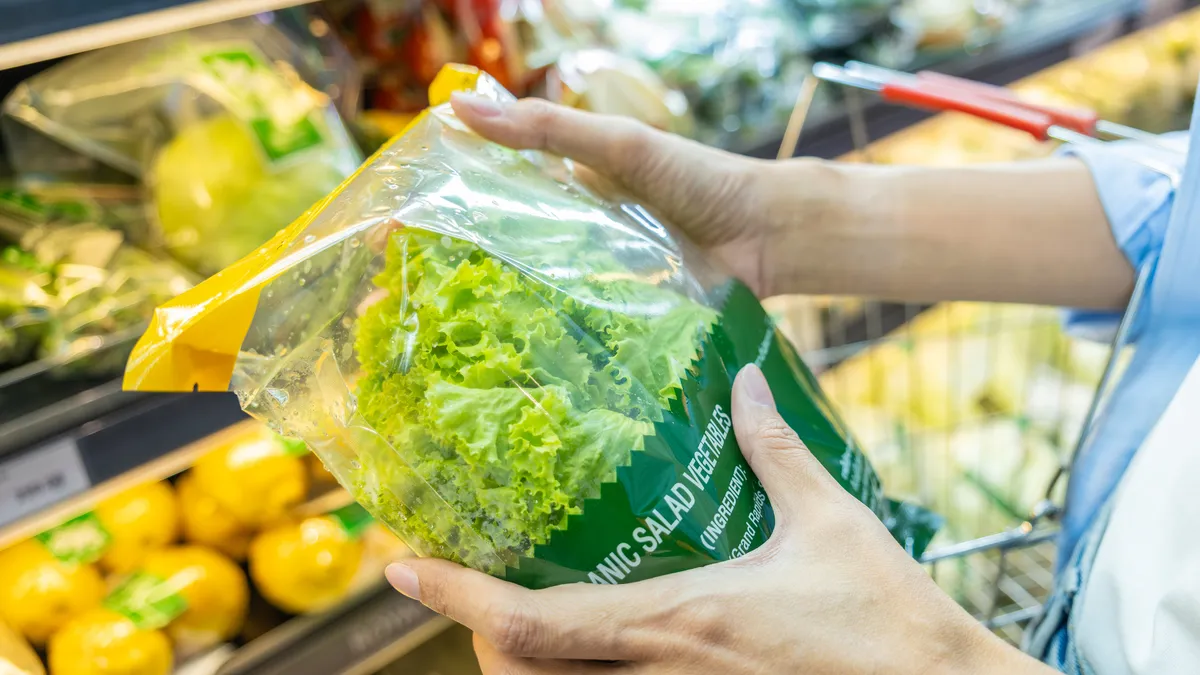
While agricultural products represent the most frequent transmission pathway, the CDC has not yet pinpointed the exact origin of this particular surge in infections. Current evidence does not support the existence of one unified multistate outbreak connecting every reported case. Nevertheless, Michigan health officials have signaled that lettuce may be the culprit behind their state’s cluster of infections.
Expert Recommendations for Consumers
As the situation develops, medical professionals and scientists have offered guidance on how the public should approach their food choices. Dr. Rabia de Latour, a gastroenterologist practicing at NYU Langone, shared her personal approach with USA TODAY.
“The reason we have to kind of broadly generalize advice right now is because we don’t know the source,” de Latour explained to the publication.
Until investigators identify the definitive cause, de Latour has chosen to avoid bagged lettuce, cilantro, parsley, and raspberries. She noted that fruits and vegetables featuring protective outer layers—such as bananas, oranges, and kiwis—remain safe to consume provided they have been properly cleaned.
Joellen Russell, who serves as a climate and integrative science professor at the University of Arizona and co-founded the Science Moms organization, advised heightened caution regarding fresh lettuce and pre-packaged salad combinations.
“Where I would worry the most are those bag salad mixes. They’re usually mixed probably from more than one grower. And that can make it much more difficult,” Russell told USA TODAY.
Russell emphasized that contamination risk varies depending on the geographic origin of the produce. States experiencing higher case counts, including Michigan, may be more susceptible to having irrigation water that carries the parasite used for cultivating fresh vegetables.
Prevention and Risk Assessment
Dr. Kartik Cherabuddi, the chief hospital epidemiology officer at Tampa General Hospital, encouraged the public to maintain perspective during this investigation.
“Consumers should remember that the health benefits of eating fruits and vegetables far outweigh the risks. The focus should be on safe handling and preparation,” Cherabuddi stated.
While cyclosporiasis rarely proves fatal and effective treatments exist, de Latour warned that immunocompromised individuals and other vulnerable populations may experience more severe symptoms.
Beyond potentially steering clear of specific food categories, several preventive measures can help reduce infection risk. Cooking fruits and vegetables thoroughly and promptly refrigerating any prepared produce represent effective strategies. The CDC also recommends additional food safety practices to minimize the likelihood of contracting this parasitic illness from contaminated agricultural products.
For those seeking real-time updates on case locations, an interactive map tracking the spread of what has been described as an “explosive diarrhea” situation across the United States remains available for public access.
As investigations continue, consumers are encouraged to stay informed while maintaining balanced dietary habits. The temporary avoidance of certain high-risk items does not require abandoning produce consumption entirely, especially when proper washing and preparation techniques are employed.